If the bar will provide most of the protein in your post-gym snack, compare protein and calories per whole bar: Barebells lists 20g protein and 212 kcal for White Salty Peanut, while PhD lists 21g protein and 238 calories for its featured White Choc Blondie Smart Bar. If you want a much smaller snack alongside another protein food or drink, Myprotein lists 92 kcal and 4.8g protein for its Double Chocolate Protein Cereal Bar. Check the exact flavour’s label, since a low-sugar claim does not establish its calorie content or ingredient suitability.
Who is each snack approach for?
Shoppers using one bar as their main protein snack
Compare protein and kcal per whole bar. If you want the bar to make a substantial protein contribution after the gym, a very small cereal bar serves a different purpose from one listing around 20g protein.
Shoppers pairing a light bar with other food
A smaller bar can make sense when you plan to get protein from a separate food or drink. Myprotein lists 92 kcal and 4.8g protein for its 30g Double Chocolate Protein Cereal Bar, so consider the complete snack rather than the bar alone.
Shoppers checking sugar, ingredients and sweeteners
Compare the exact flavour’s sugars and energy values separately. Read its ingredients, allergen information and any polyol warning before choosing a bar, particularly if those details affect what you can eat.
What should you compare?
Decide whether the bar needs to supply most of the snack’s protein or will accompany another food, then compare whole-bar nutrition and ingredients for the flavour you intend to buy.
A bar as the main protein snack
Choose this when: You want the bar itself to provide a substantial protein amount after the gym.
Trade-off: A bar listing around 20g protein may carry more calories than a much smaller snack; compare both figures for the same serving.
A light bar with other food
Choose this when: Keeping the bar’s calorie contribution small matters more, and another food or drink will provide protein.
Trade-off: You need to account for that additional food or drink when considering the complete snack.
| Priority |
What to check |
Your needs |
| Protein per bar |
Read the protein amount for the whole bar, not just per 100g. Check the serving size before comparing a small cereal bar with a larger protein bar. |
I want to know whether this bar supplies most of the protein in my snack or is just one part of it. |
| Calories per bar |
Compare kcal for the exact flavour and whole-bar serving. Read protein alongside kcal rather than assuming a protein claim means fewer calories. |
A smaller calorie contribution matters to me, but I still need to consider anything I eat or drink with the bar. |
| Sugars and saturates |
Check sugars and saturated fat separately on the nutrition label. Low-sugar or no-added-sugar wording does not state the bar’s energy value. |
I might prefer a lower-sugar option, but I do not want that single claim to decide between bars. |
| Ingredients and warnings |
Read the exact flavour’s ingredients and allergen information. Check whether its sweeteners include polyols and whether the pack carries a consumption warning. |
I need a bar whose ingredients work for me, not just nutrition figures that look suitable. |
What can catch shoppers out?
-
Assuming every protein bar is low calorie
Protein, energy, sugars and saturated fat are separate nutrition values. A prominent protein or low-sugar claim cannot replace a comparison of the whole bar.
Read kcal, protein, sugars and saturates for the flavour and serving size you will actually eat.
-
Expecting a tiny bar to provide the same protein as a larger one
Myprotein lists 4.8g protein and 92 kcal for its 30g Double Chocolate Protein Cereal Bar. By contrast, Barebells lists 20g protein and 212 kcal for its 55g White Salty Peanut bar. They play different roles in a post-gym snack.
If you choose the smaller bar, decide what other food or drink will accompany it; if the bar must provide most of the protein, compare options with a larger stated protein amount.
Pairing a light bar with another food or drink takes an extra choice and adds to the complete snack’s calorie total.
-
Overlooking allergens or sweetener warnings
Ingredients and warnings can differ between bars and flavours. Grenade’s Caramel Chaos information includes a warning that excessive consumption may cause a laxative effect, alongside allergen and cross-contact information.
Check the exact pack’s ingredients, highlighted allergens, may-contain statements and consumption warnings before buying.
Brand and retailer references
The examples below describe particular products or ranges, not every bar from each brand or what is currently available on Joybuy.
Grenade
Grenade lists 21g protein and 1.5g sugar for its 60g Caramel Chaos bar.
- An example to compare if protein and sugar per bar both matter to you.
- Check the exact flavour’s calories and ingredients. Grenade lists allergen and cross-contact information and warns that excessive consumption may cause a laxative effect.
PhD
PhD lists 21g protein, 238 calories and 1g sugar for its featured White Choc Blondie Smart Bar.
- Those stated figures allow a per-bar comparison for this particular flavour.
- Do not apply the featured flavour’s figures to another Smart Bar flavour or variant; read its own label.
Myprotein
Myprotein lists 92 kcal and 4.8g protein for a 30g Double Chocolate Protein Cereal Bar. Its Soft Protein Bar listings give 16g protein per bar, with calories differing by flavour.
- The stated figures distinguish a small cereal-bar snack from a bar with a larger protein amount.
- The 92 kcal cereal bar does not provide the same protein amount as a bar listing around 20g; check the chosen product’s ingredients too.
Barebells
Barebells lists 20g protein and 212 kcal per 55g White Salty Peanut bar.
- Both values are stated for the same whole-bar serving.
- This bar contains milk protein and peanuts and has may-contain statements. Barebells also advises checking individual labels for lactose information.
Quest
Quest describes its OG Protein Bar range as providing up to 21g protein per bar.
- Check an exact bar’s label if its protein amount and sugar content match what you are comparing.
- Quest says its bars contain sugar alcohols and that tolerance varies. The range-wide protein figure does not establish calories for a particular flavour.
Tesco
Tesco is a retailer rather than a protein-bar manufacturer; its grocery category brings together bars from different brands and formats.
- A mixed category lets shoppers inspect different bar and pack formats in one place.
- Check each listing’s flavour, serving size, nutrition information and delivery details rather than treating the category as a set of low-calorie bars.
Protein bar options on Joybuy
These options include multipacks of Grenade and PhD bars to assess as a main post-gym protein snack, plus a KIND nut-bar multipack to consider alongside other food. Compare the label for each exact flavour and bar size before deciding.
 No image available
Grenade Oreo Protein Bars, 4 × 60g
Consider this pack if you want one bar to make a substantial protein contribution to your post-gym snack. Compare kcal and protein per 60g bar on the Oreo flavour label, and check its milk, soy and sweetener information before choosing.
View on Joybuy
 No image available
PhD Smart Chocolate Peanut Butter Bars, 12 × 64g
This 64g-bar multipack is an option to assess when the bar will be the main protein item in your post-gym snack. Use the Chocolate Peanut Butter label for its per-bar nutrition rather than figures quoted for another Smart Bar flavour; check allergen and polyol information as well.
View on Joybuy
 No image available
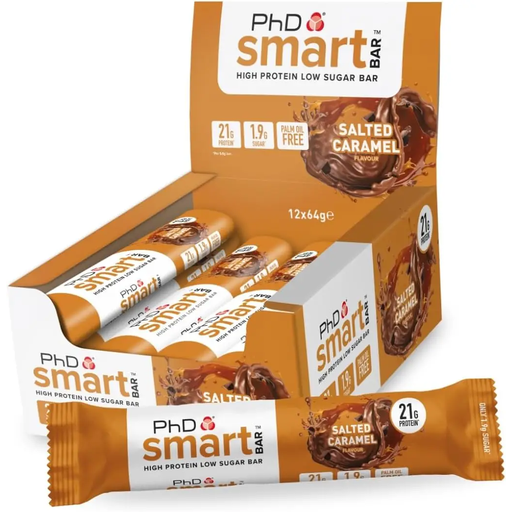
PhD Smart Salted Caramel Bars, 12 × 64g
Compare the Salted Caramel flavour’s kcal and protein per 64g bar if you want the bar to provide most of your snack’s protein. The ingredient and allergen information conflict about milk: if milk is a concern, clarify this with the manufacturer using the pack details before buying.
View on Joybuy
 No image available
Grenade Soft Core Double Chocolate Bars, 12 × 50g
A 50g-bar option to compare if you want a smaller bar than the 60g Grenade pack above. Check its own protein and kcal figures before deciding whether one bar covers your snack needs, and read the milk, soy and sweetener information.
View on Joybuy
 No image available
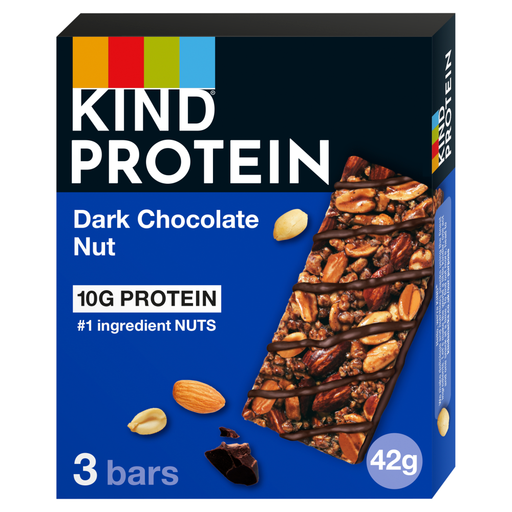
KIND Protein Dark Chocolate Nut Bars, 3 × 42g
Consider this nut-bar multipack as part of a snack alongside other food, rather than assuming it supplies the same protein as a larger bar. Compare protein, kcal and sugars per 42g bar, and check the peanut, almond and soy information if relevant.
View on Joybuy
Common questions
Can a bar under 100 kcal take the place of a bar with 20g protein?
Not if you need the bar itself to provide a similar protein amount. Myprotein lists 4.8g protein and 92 kcal for its 30g Double Chocolate Protein Cereal Bar, while Barebells lists 20g protein for its 55g White Salty Peanut bar. The smaller bar makes more sense as one part of a snack that includes another protein food or drink.
Does low sugar mean a protein bar is low calorie?
No. Sugars and energy are different values on the nutrition label. Compare kcal, protein, sugars and saturated fat for the whole bar in the exact flavour you are considering.
Which allergen details matter when choosing a protein bar?
Read the exact bar’s ingredients, highlighted allergens and any may-contain statements. For example, Grenade’s Caramel Chaos information identifies milk and soy and lists possible cross-contact with cereals containing gluten, eggs, nuts, peanuts and sesame; those details should not be assumed to apply unchanged to another flavour.
What should I check if sweeteners sometimes bother me?
Check the exact bar’s ingredients for polyols or sugar alcohols and read any consumption warning. Quest says its bars contain sugar alcohols and that tolerance varies; Grenade warns that excessive consumption of its Caramel Chaos bar may cause a laxative effect.


