What matters when choosing a snack?
Start with the child’s age and ability to manage the food, then check the ingredients and how the snack fits alongside their usual meals.
| Priority | What to check | Your needs |
|---|
| Age and variety |
Check the stated age guidance and consider the snack alongside a variety of foods. The NHS lists fruit, plain unsweetened yoghurt and toast among snack options for young children. |
I’m choosing a regular between-meal snack, not trying to meet an adult protein target. |
| Calorie claims |
Read the full ingredients and nutrition information rather than deciding from a low-calorie claim. The NHS cautions against giving under-2s only wholegrain starchy foods because they can fill up before getting the calories and nutrients they need. |
A lower-calorie label alone does not tell me whether this food suits my toddler. |
| Texture and supervision |
Consider size, shape and texture for the child’s chewing ability. NHS safety guidance says to stay with children while they eat. |
If a snack is chewy, sticky or crunchy, I need to judge whether my child can manage it while seated and supervised. |
| Ingredients and allergens |
Read the current label for the exact product and flavour, including ingredients and precautionary allergen statements. Check any nursery food rules before packing a snack. |
I need to know what is in the food, particularly if my child has an allergy or the snack is going to nursery. |
Protein-bar brand references
These brand descriptions explain why an adult protein-bar claim should not be treated as toddler age guidance; they are not recommendations to give the bars to young children.
Grenade
Grenade describes its UK protein-bar range as high in protein and low in sugar, and markets it as an on-the-go workout snack.
- The brand states that its range contains over 20g protein.
- That adult fitness positioning does not establish a toddler-appropriate portion or texture.
PhD
PhD markets its Smart Bar as a low-sugar, high-protein grab-and-go snack with caramel and crunchy protein crispies.
- PhD states that the reviewed bar contains 21g protein, 238 calories and 1g sugar.
- Its stated nutrition and crunchy elements do not establish suitability for a toddler.
Barebells
Barebells markets its protein bars in connection with training and an active lifestyle. Its reviewed Cookies & Cream bar is a 55g serving.
- Barebells lists 20g protein per reviewed bar and provides an ingredient statement.
- That bar contains milk proteins and may contain cereals containing gluten, soy, peanuts and nuts; its label and texture need checking for an individual child.
Joybuy snack options
These are fruit, yoghurt and oaty snack options to consider for toddler snack time instead of selecting an adult protein bar by its calorie claim. An age marking is a starting point, not a substitute for checking ingredients, texture and the child’s ability to manage the food.
 No image available
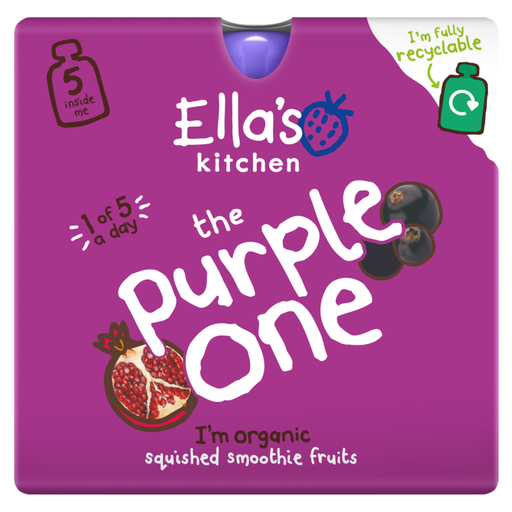
Ella's Kitchen The Purple One Snack, 6+ months, 5 x 90g
A fruit-snack option for a toddler who can manage this format. Check the current ingredients and keep the child supervised while eating; keep the pouch cap out of their reach.
 No image available
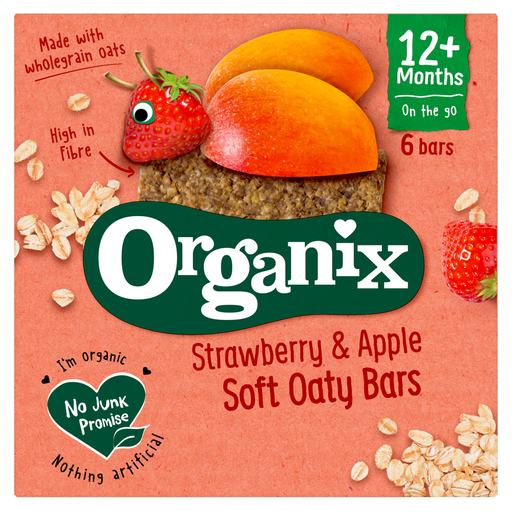
Organix Strawberry & Apple Soft Oaty Bars, 12+ months, 6 x 23g
An age-marked oaty bar to consider if you want a bar format rather than an adult protein bar. Check its current ingredients and allergens, and assess whether your child can manage the texture while seated and supervised.
 No image available
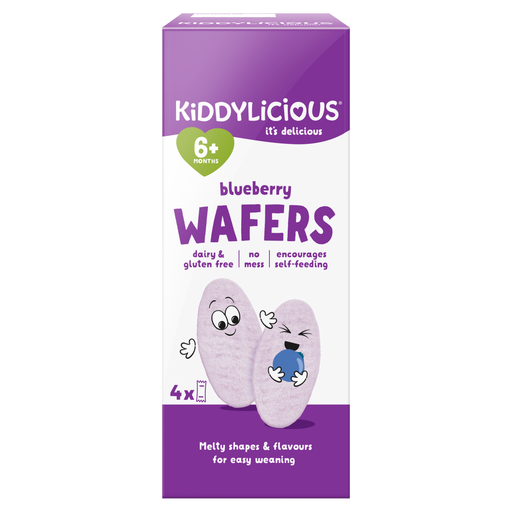
Kiddylicious Blueberry Wafers, 6+ months, 4 x 4g
A wafer option with an age marking rather than an adult protein claim. Check the pack’s current ingredients and allergens, and supervise the child while they eat.
 No image available
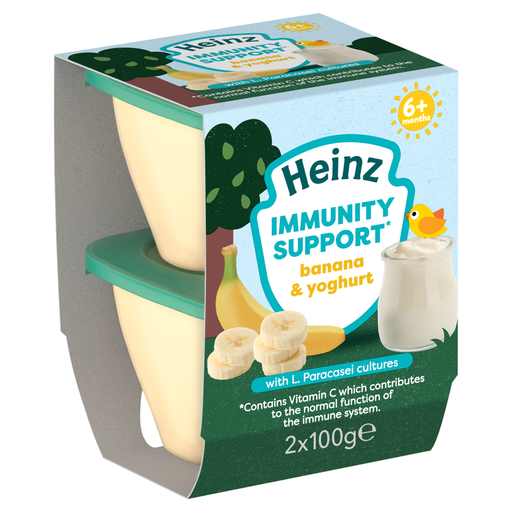
Heinz Banana & Yoghurt Pot, 6+ months, 2 x 100g
A banana-and-yoghurt pot to consider as an alternative to an adult protein bar. Check the current ingredients, particularly if milk is relevant to your child’s allergies, and supervise them while eating.
 No image available
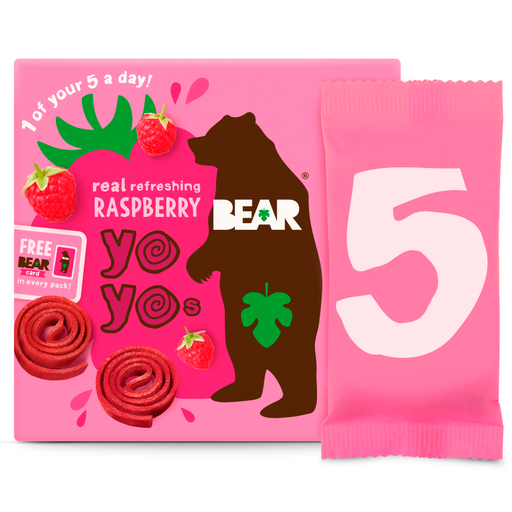
Bear Raspberry Yoyo, 5 x 20g
A fruit-snack format to consider only after checking the current pack’s age guidance and ingredients. Assess whether your child can manage its chewy texture, and keep them supervised while eating.
Questions about toddler snacks
Should I buy a low-calorie protein bar for a toddler’s routine snack?
Do not choose an adult protein bar for a toddler simply because it says low calorie, low sugar or high protein. The NHS suggests ordinary snacks for young children, including fruit, plain unsweetened yoghurt and toast. Check any packaged food against the child’s age, texture needs and ingredients.
What if my child is under 1?
The NHS says children under 1 should not be given snacks. Follow infant-feeding guidance rather than choosing a snack bar or another between-meal snack.
Does low calorie mean a bar suits a toddler?
No. A calorie claim alone does not establish age or texture suitability. The NHS specifically cautions against giving under-2s only wholegrain starchy foods because they may fill up before taking in the calories and nutrients they need; consider the food and the child’s usual meals, not one claim.
How do I check a packaged snack’s texture?
Consider its size, shape and texture alongside your child’s chewing ability. NHS safety guidance says to stay with children while they eat. Seek individual professional advice if your child has chewing or swallowing concerns.
What should I check for allergies or nursery snacks?
Read the current ingredients and allergen information for the exact flavour and pack, then check any nursery food rules. For example, Barebells lists milk proteins in its Cookies & Cream bar and says it may contain cereals containing gluten, soy, peanuts and nuts; a no-added-sugar claim does not answer an allergen question.


