
24/7 Customer Support

Free returns

Same-day & Next-day Delivery

Quality Guaranteed

Unlock Your Welcome Offers: FREE Delivery | Up to 80% OFF | Free 30-day JoyPlus trial
Download the APP
Finding a convenient snack that aligns with your health goals can be a challenge. The shelves are filled with options, but many are high in sugar or calories, while others compromise on taste. If you're searching for a satisfying snack that delivers on protein without derailing your diet, low calorie protein bars are an excellent choice.
As the Joybuy Product Recommendation Officer, my role is to help you navigate the market. This guide cuts through the hype, offering practical advice and highlighting some noteworthy options to help you find a protein bar that fits your needs and lifestyle.
Before you make a choice, it helps to know what to look for. Here are a few key factors to consider when selecting high protein snacks in the UK.
The front of the package tells a story, but the nutrition panel reveals the facts. For a bar to be considered a good low-calorie, high-protein option, pay attention to:
Modern protein bars cater to a wide range of dietary requirements. Whether you follow a specific lifestyle or have intolerances, there is likely an option for you.
The ingredient list provides insight into the quality of the bar. Some bars are built around whole foods like nuts and seeds, offering a natural texture and nutritional profile. Others use more processed protein isolates and fibres to achieve specific macronutrient targets. Neither is inherently better; the right choice depends on your personal preference for taste, texture and ingredient philosophy.
Here are a few standout options available on Joybuy, selected for their nutritional profiles and positive consumer feedback.
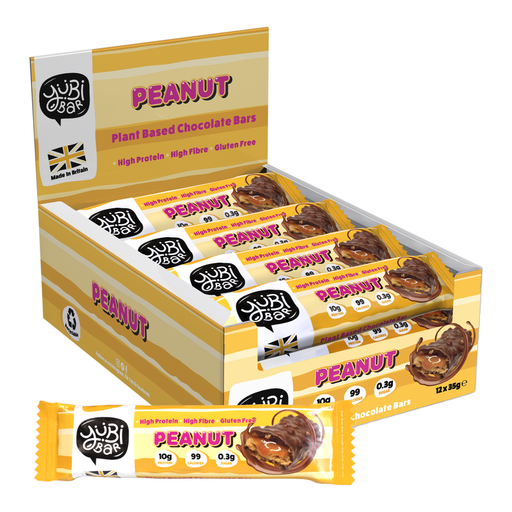
Why It Stands Out: The YuBi Bar is specifically designed for the health-conscious consumer who doesn't want to compromise on flavour. It packs a significant protein punch into a very low-calorie format, making it a prime example of a 99 calorie snack. Its plant-based formula also makes it accessible for a wide range of dietary needs.
Pros:
Who is it for? This bar is ideal for anyone strictly managing their calorie intake, including those focused on weight management. It's also a superb choice for vegans, vegetarians and individuals with gluten or dairy intolerances looking for a tasty peanut flavour protein bar.

Why It Stands Out: From a well-recognised brand, this bar combines the classic, satisfying taste of roasted peanuts and chocolate. It's built with a base of roasted peanuts and soy protein to deliver a substantial protein serving in each bar.
Pros:
Who is it for? This is a great option for those who prefer a snack from a familiar brand and enjoy the rich flavour of peanuts and chocolate. It suits individuals with a gluten-free diet who are looking for a convenient protein boost to have on the go. Note that it contains milk and may not be suitable for vegans or those with dairy allergies.
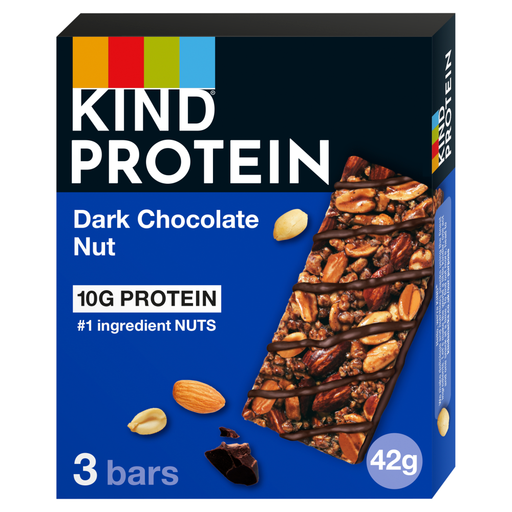
Why It Stands Out: KIND bars are known for their commitment to whole ingredients, and this protein bar is no exception. It leads with whole peanuts and almonds, offering a satisfying crunch and natural flavour that is complemented by a rich dark chocolate coating.
Pros:
Who is it for? This bar is perfect for individuals who prioritise whole-food ingredients and prefer a less processed, crunchy texture. It's a good fit for someone looking for a satisfying and flavourful snack that feels more like a treat while still providing a useful protein and fibre contribution.
These recommendations offer a glimpse into the world of low-calorie, high-protein snacks. If you're interested in different flavours, textures or nutritional profiles, there are many other choices available.
Explore our full range of Nut Bars to find more high-protein snacks to suit your lifestyle.
1. Are low calorie protein bars good for weight management? Low calorie protein bars can be a useful tool within a balanced diet for weight management. Protein is known to promote satiety, which means it can help you feel fuller for longer, potentially reducing overall calorie intake. They provide a structured, portion-controlled snack that can help manage cravings between meals.
2. When is the best time to eat a protein bar? There is no single "best" time. Many people consume them post-workout to aid muscle recovery. They are also effective as a mid-morning or mid-afternoon snack to bridge the gap between meals and prevent overeating later. Their convenience makes them an excellent on-the-go option for busy days.
3. What should I look for in a vegan protein bar? When choosing a vegan protein bar, the primary thing to check is the protein source. Look for ingredients like soy protein isolate, pea protein, or protein derived from nuts and seeds. It's also important to scan the full ingredient list to ensure there are no hidden animal-derived products, such as milk solids, whey or honey.