Students packing a lecture-break snack
An individually portioned bar can fit in a bag. Check its kcal per bar rather than choosing it solely for a protein claim.


For a calorie-conscious lecture-break snack, compare the kcal for the whole bar before weighing up protein or low-sugar claims. Myprotein lists 152 kcal and 18 g protein for its 45 g Lean Protein Bar in Cookie Dough; PhD displays 21 g protein and 238 calories for its featured Smart Bar, so the latter is a different choice if minimising calories matters most. Check the exact flavour’s label, and treat a bar as a snack or part of lunch rather than assuming it makes a complete lunch.
An individually portioned bar can fit in a bag. Check its kcal per bar rather than choosing it solely for a protein claim.
Looking at both figures for the complete bar helps you decide whether extra protein fits the snack you had in mind.
Read the exact flavour’s ingredients and allergen information before buying. Milk, soya, gluten-containing cereals and sweeteners may be relevant, depending on the product.
Start with the portion you will actually eat, then compare the other label details that matter to your lunch plans.
| Priority | What to check | Your needs |
|---|---|---|
| Calories per bar | Read kcal for the complete bar and check its weight. If figures are shown per 100 g, use the portion information to compare the bars you would eat. | I want a bag-friendly snack with a clear calorie figure for the whole bar, not just a claim on the front of the pack. |
| Protein and lunch role | Compare protein and kcal on the same per-bar basis. Consider what else you will have for lunch; the NHS Eatwell Guide describes food balance across a day or week, not protein alone. | A bar may be one part of my lunch, but I do not want to mistake its protein content for a complete meal. |
| Sugars and other nutrients | Check sugars, saturated fat and salt alongside energy on the exact flavour’s panel. Where traffic-light information is provided, check the underlying figures too. | If a wrapper says low sugar, I still want to know its kcal per bar and what the rest of the label shows. |
| Ingredients and allergens | Read the current pack’s ingredients, allergen statement and any sweetener warnings, particularly when changing flavour or buying a multipack. | Before packing several bars, I need to know whether this particular flavour contains an ingredient I avoid. |
A sugar claim does not give you the bar’s total energy. Barebells says its products are not low- or reduced-calorie foods, despite the range’s other nutrition claims.
Read kcal for the exact flavour and complete bar, then compare sugars, saturated fat and salt.
Myprotein lists 18 g protein and 152 kcal for its 45 g Lean Protein Bar in Cookie Dough. PhD’s featured Smart Bar display shows 21 g protein and 238 calories. The extra protein does not, by itself, tell you which bar fits a calorie-conscious snack.
Check each product’s whole-bar weight, kcal and protein before deciding what role it will play in lunch.
Allergen information and sweetener warnings can matter when selecting a particular bar or flavour. Myprotein also warns that excessive consumption of its Lean Protein Bar may have laxative effects.
Check the current pack’s ingredients, allergen statement and warnings each time you change flavour or format.
These references concern the named products or ranges, not every bar made by each brand.
Myprotein lists 152 kcal and 18 g protein for a 45 g Lean Protein Bar in Cookie Dough, giving a specific whole-bar figure for a calorie-first comparison.
PhD’s featured Smart Bar display states 21 g protein, 238 calories and 1 g sugar.
Grenade describes its Carb Killa range in terms of protein and sugar, stating up to 24 g protein per bar.
Tesco lists Barebells protein-bar variants in the UK, while Barebells states that its products are not low- or reduced-calorie foods.
Tesco is a retailer, not a protein-bar manufacturer. Its UK category lists bars in different formats and pack sizes.
These Grenade and PhD multipacks are options to examine for a lecture-day snack. Compare the exact bar’s label and pack format before choosing: protein-focused and low-sugar positioning do not establish a lower calorie total.
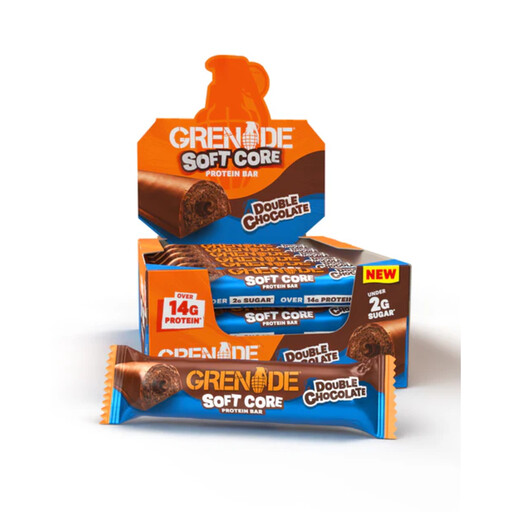 No image available
For a lecture-break snack, compare the nutrition for one 50 g bar with the other bars you are considering. The product information identifies milk and soya; check the pack for allergen and sweetener warnings.
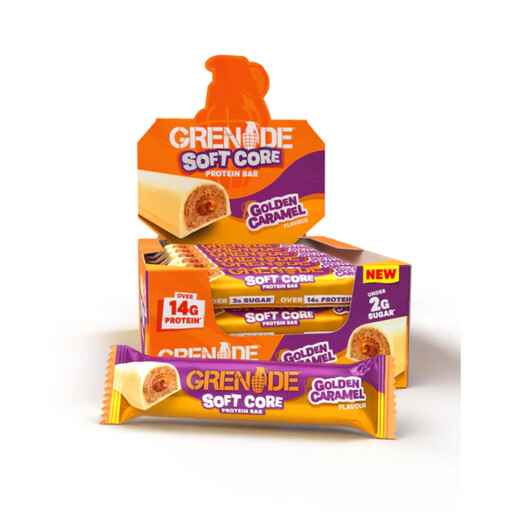 No image available
This 12-pack provides 50 g bars to compare on a whole-bar basis. The product information lists milk and soya and warns of possible traces of other allergens; read the exact pack before buying.
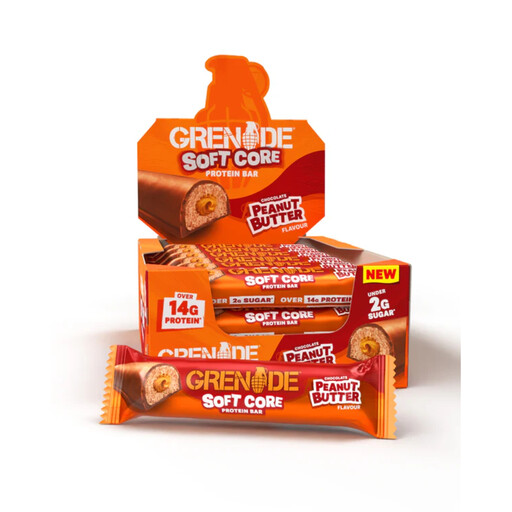 No image available
Check the kcal for each 50 g bar if you plan to pack one for lectures. The product information identifies peanuts, milk and soya; its sweetener warning is also worth reading on the pack.
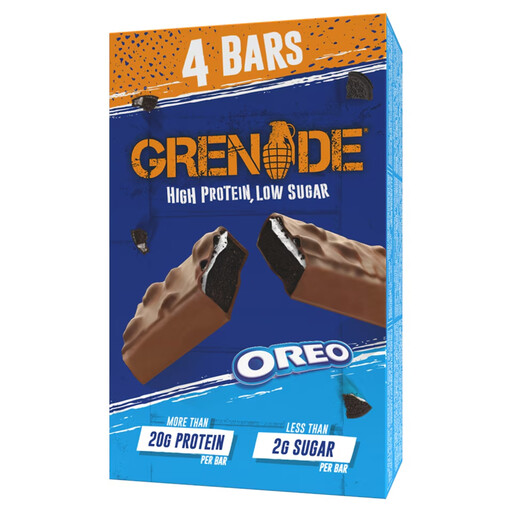 No image available
This is a different bar size from the 50 g Grenade packs above, so compare kcal for a complete 60 g bar rather than protein alone. The product information identifies milk, gluten and soya; check its ingredients and warnings.
 No image available
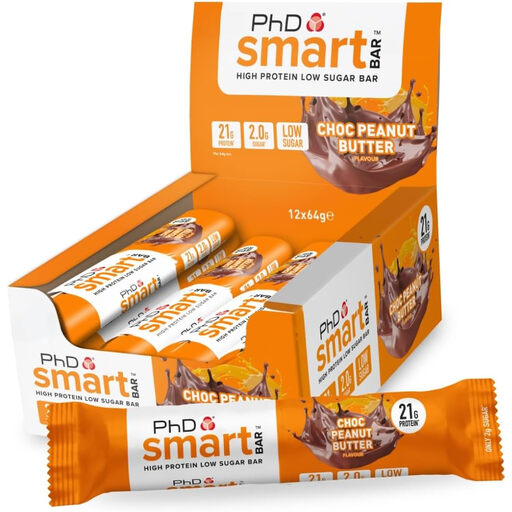
Compare the nutrition for this listed 64 g bar rather than applying figures from a different Smart Bar flavour. Confirm the flavour and ingredients on the pack before ordering; the product information identifies milk and soya and includes a sweetener warning.
Start with kcal for the whole bar you would eat, then check its weight and the nutrition panel per 100 g. NHS food-label guidance explains that energy appears on prepacked food labels; portion sizes can differ between products.
A bar can be part of lunch, but its protein content alone does not describe the range of foods in the meal. The NHS Eatwell Guide considers food balance over a day or week, so plan the rest of your food accordingly.
No: a sugar claim does not state the bar’s total energy. Check kcal for the exact flavour and complete bar, alongside sugars, fat and saturated fat on its nutrition panel.
Read the exact product’s current ingredients and allergen statement before buying, particularly if you change flavour or pack format. Do not rely on the ingredients of another bar in the same range.
Some bars contain sweeteners such as polyols and carry a warning about excessive consumption. Myprotein gives this warning for its Lean Protein Bar; read the warning on the particular bar you choose.