What should you check before choosing?
Start with whether you want a snack at all; if you do, compare the serving you would actually eat and choose a timing you can try on an ordinary run.
| Priority | What to check | Your needs |
|---|
| Whether to eat |
Consider when you last ate and whether you are comfortable running without a snack. The UK Sports Institute describes pre-run eating as individual and worth trying in advance. |
I have already eaten and may not want a bar before a short run. |
| Bar serving |
Read energy and carbohydrate per bar, not just per 100 g. Weetabix Cereals lists 65 kcal and 10 g carbohydrate per 19 g Alpen Light Chocolate & Fudge bar; Tesco lists 86 kcal and 16.8 g per 25 g Eat Natural Soft Fruit Bar Apple. |
If I have missed breakfast, I want to know what the portion I will eat provides, rather than choosing by a low-calorie description alone. |
| Timing and familiarity |
University College London Hospitals NHS Foundation Trust describes a pre-workout snack 60–90 minutes before exercise. The UK Sports Institute advises trying what works for you before a run. |
I would rather try a bar and its timing during training than eat an unfamiliar one just before an event. |
| Ingredients |
Check the exact pack’s ingredients and allergen statements, including precautionary wording. Also compare fat and sugars per serving if those values matter to your choice. |
I need the particular flavour to fit my ingredient or allergen requirements; another bar from the same brand may differ. |
Brand and product-line references
These examples show why the exact variant and bar size matter; the figures do not describe every product from each brand.
Alpen
Weetabix Cereals lists the Light Chocolate & Fudge variant as a 19 g bar with 65 kcal and 10 g carbohydrate.
- A small individual serving for shoppers comparing calorie contributions.
- It provides 10 g carbohydrate per bar, and the manufacturer says it is not suitable for nut allergy sufferers.
Eat Natural
Tesco lists the Soft Fruit Bar Apple at 86 kcal and 16.8 g carbohydrate per 25 g bar.
- This checked variant provides more carbohydrate per bar than the checked Alpen Light Chocolate & Fudge variant.
- The listing gives 13.8 g sugars per serving; check the exact pack’s ingredients and allergen information.
Graze
Tesco lists Graze Cocoa Vanilla Oat Boost at 116 kcal per 30 g serving and describes that variant as vegan.
- An oat-based example with a stated individual-serving energy value.
- Cocoa Vanilla Oat Boost is a different product from Graze Protein Bites Cocoa, Vanilla Oat Squares; do not transfer its nutrition figures to that bar.
Nature Valley
Nature Valley lists 196 kcal, 11.3 g fat and 10.2 g protein per 40 g Protein Peanut & Chocolate bar.
- A stated protein value for shoppers comparing a separate snack or a bar after a run.
- It is not comparable to a 65 kcal bar on energy per serving and contains peanut, soya and milk ingredients.
nākd.
Tesco lists the Cocoa Hazelnut Protein Bar at 191 kcal, 15 g carbohydrate and 7.2 g protein per 45 g bar.
- The named variant has per-bar figures that can be compared with its serving size.
- Those figures belong to Cocoa Hazelnut Protein Bar, not the Blueberry Muffin bar shown below; check each variant’s pack separately.
TREK
FatSecret UK lists TREK Original Oat Protein Flapjack at 219 kcal, 23 g carbohydrate and 10 g protein per 50 g bar.
- A larger-portion flapjack example when a small, low-calorie bar is not the aim.
- These are third-party database figures for the named variant; check the current pack before comparing or buying it.
Snack bars on Joybuy
These cereal, fruit-and-nut and oat bars are options to consider if you decide you want a portable snack around a 5k. Compare the exact pack’s per-bar nutrition and ingredients before choosing; the product names alone do not establish which bar suits your preferred portion.
 Image unavailable
Special K Dark Chocolate Snack, 6 × 21.5 g
For a small pre-run snack, compare the nutrition panel per 21.5 g bar with the portion you intend to eat. The pack contains six bars; check its current ingredients and allergen statements.
View on Joybuy
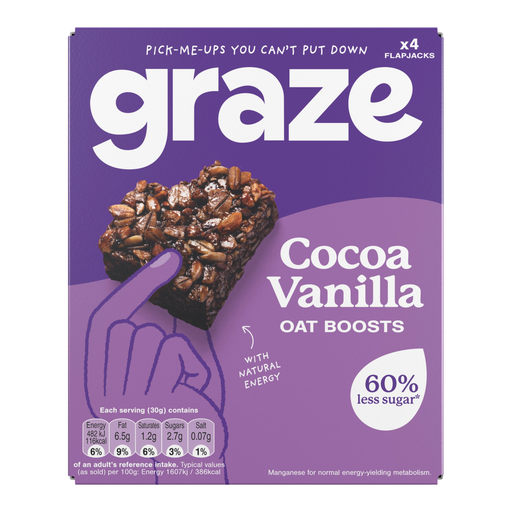 Image unavailable
Graze Protein Bites Cocoa, Vanilla Oat Squares, 4 × 30 g
If you prefer an oat-square snack, compare the energy, carbohydrate and fat on this product’s own 30 g serving label. This is Protein Bites, not Graze Cocoa Vanilla Oat Boost.
View on Joybuy
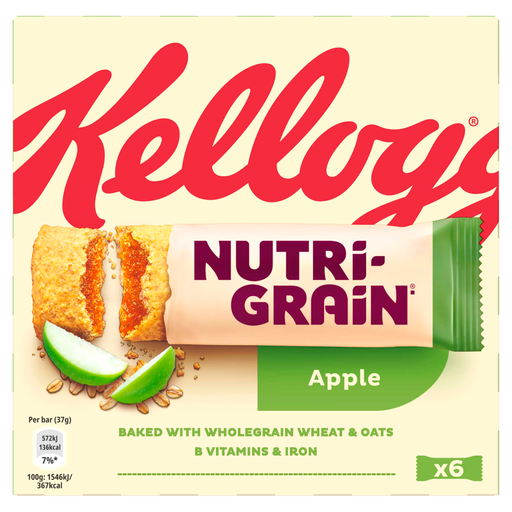 Image unavailable
Kellogg's Nutri Grain Fruity Breakfast Bars Apple, 6-pack, 222 g
A breakfast-bar option to consider after missing a meal, provided its portion and ingredients suit you. The pack is labelled 222 g in total; use the current per-bar panel for a snack comparison.
View on Joybuy
 Image unavailable
nākd. Blueberry Muffin Raw Fruit & Nut Bars, 4 × 35 g
If a fruit-and-nut bar appeals before a run, try the portion during training and check the current pack for nut and other allergen statements. Compare nutrition per 35 g bar, not figures for another nākd. flavour.
View on Joybuy
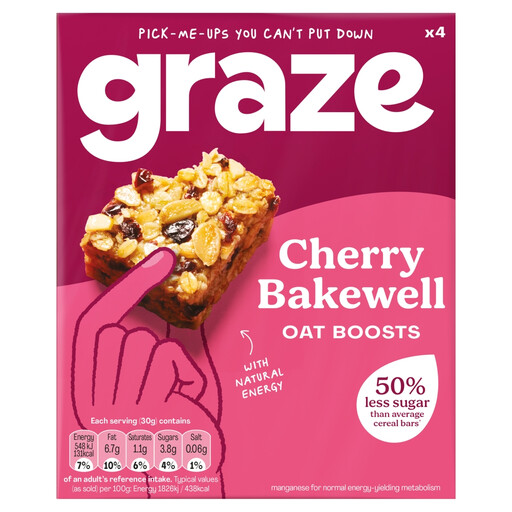 Image unavailable
Graze Oat Boosts Cherry Bakewell, 4 × 30 g
For an oat-bar option, check this flavour’s energy, carbohydrate and fat per 30 g bar before deciding when to eat it. Do not use the figures for Cocoa Vanilla Oat Boost as figures for Cherry Bakewell.
View on Joybuy
Questions about bars before a 5k
Do I need a snack bar before every 5k?
No: a bar is optional if you have already eaten and are comfortable running without one. The UK Sports Institute advises trying pre-run eating routines because what suits one runner may not suit another; needs associated with glucose management require individual advice rather than a general snack rule.
What should I compare if I have missed breakfast?
Compare energy and carbohydrate per bar, then try your chosen portion and timing during training. University College London Hospitals NHS Foundation Trust describes a pre-workout snack 60–90 minutes before exercise; Weetabix Cereals lists 65 kcal and 10 g carbohydrate for Alpen Light Chocolate & Fudge, while Tesco lists 86 kcal and 16.8 g for Eat Natural Soft Fruit Bar Apple.
Is a protein bar necessarily a low-calorie pre-run choice?
No. Check the whole-bar nutrition rather than the protein description: Nature Valley lists 196 kcal, 11.3 g fat and 10.2 g protein for its 40 g Protein Peanut & Chocolate bar. Its portion and ingredients may make it a different choice from a small bar immediately before running.
How do I check a bar against my allergen requirements?
Read the current ingredient list and precautionary allergen statements for the exact variant. Weetabix Cereals says Alpen Light Chocolate & Fudge is not suitable for nut allergy sufferers, while Nature Valley lists peanut, soya and milk ingredients for its Protein Peanut & Chocolate bar.


