Parents packing snacks for outings
If portability matters, compare a bar with food you can pack, such as fruit or crackers. For any bar, check the current label and whether your child can eat its texture while seated and supervised.


Do not choose a toddler’s snack bar chiefly because it is low in calories. For routine snacks, the NHS suggests foods such as fruit, plain unsweetened yoghurt, toast and crackers; a packaged bar is a convenience option only after you have checked its ingredients, allergens, texture and the portion you would offer. The NHS also says children under one should not be given snacks.
If portability matters, compare a bar with food you can pack, such as fruit or crackers. For any bar, check the current label and whether your child can eat its texture while seated and supervised.
A low-calorie or reduced-sugar claim does not answer whether a bar suits a toddler. Compare the portion you would offer, the nutrition panel and the ingredients instead of relying on the claim alone.
Read the exact pack’s allergen declaration and inspect the bar’s pieces and texture. Department for Education food-safety guidance says children under five must not be given whole nuts or whole seeds.
Start with whether a snack is needed and practical to serve, then check any packaged option for its portion, ingredients and eating conditions.
| Priority | What to check | Your needs |
|---|---|---|
| Snack and portion | For children under one, follow NHS advice not to give snacks. For a toddler, compare the amount you would serve with the pack’s stated serving. | I need something practical for snack time without choosing a bar simply because its calorie figure is lower. The NHS lists fruit, plain unsweetened yoghurt, toast and crackers among snack ideas for young children. |
| Sugars and salt | Read sugars and salt on the nutrition panel, both per serving and per 100g, alongside ingredients such as sugar, syrup or honey. A reduced-sugar claim is not the whole label. | When comparing packaged snacks, I want to know what the portion contains. The NHS advises avoiding foods and drinks with sugar or sweeteners for children aged four or younger. |
| Texture and eating | Look for whole nuts or seeds and inspect hard, brittle or large pieces. Seat the child safely and supervise eating, as Department for Education guidance advises. | My child may eat a portable snack away from home, but needs a suitable texture and a place to sit. Whole nuts and whole seeds must not be given to children under five. |
| Allergens and nursery rules | Read the current allergen and ‘may contain’ statements. Check the nursery’s food policy before packing a bar. | If I’m sending food to nursery, I need to know whether its ingredients meet my child’s needs and the nursery’s rules. The NHS notes that some nurseries restrict peanuts or nuts. |
A lower calorie figure does not establish that a bar is a suitable toddler snack. NHS guidance notes that too much high-fibre food can fill a young child’s small stomach before they get enough calories and nutrients.
Consider a food-based snack first. If you need a bar for convenience, compare the actual portion, complete label and texture.
A reduced-sugar claim describes a comparison, not whether the ingredients or portion suit a child. Nature Valley UK, for example, lists sugar and honey among the ingredients of its Crunchy Oats & Honey bars.
Check ‘of which sugars’, the serving size and the ingredient list on the exact pack. The NHS advises avoiding foods and drinks with sugar or sweeteners for children aged four or younger.
Department for Education guidance says whole nuts and whole seeds must not be given to children under five. Other hard or large pieces also need attention when assessing a snack for a young child.
Inspect the product before serving it, and have the child sit safely with adult supervision while eating.
A bar may contain allergens or carry a ‘may contain’ warning, while some nurseries restrict peanuts or nuts. The product label alone cannot tell you the nursery’s policy.
Read the current allergen declaration and ask the nursery what foods it permits before packing the bar.
These brand examples illustrate why claims and product ranges need checking; a brand name does not establish that a particular snack bar suits a toddler.
Graze offers oat flapjacks and other packaged snacks. Its nutrition positioning concerns its range, not toddler suitability.
Nature Valley has cereal-bar and protein-bar lines with different ingredients and nutrition information.
The Alpen product described here is No Added Sugar muesli, not a toddler snack-bar recommendation.
These options include an age-labelled oaty bar and other packaged snack formats, including yoghurt pouches and stix. Check each product’s current pack before serving it; an age label on a product for babies does not change NHS advice that children under one should not be given snacks.
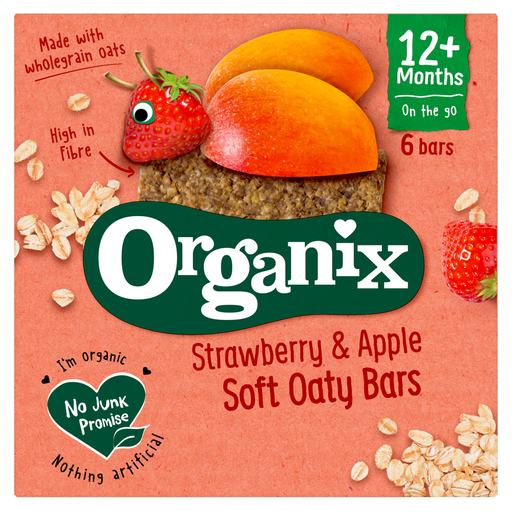 No image available
An age-labelled bar to consider when a portable snack is needed. The pack contains 6 x 23g bars; check the current ingredients, allergens, texture and portion, and seat and supervise the child while eating.
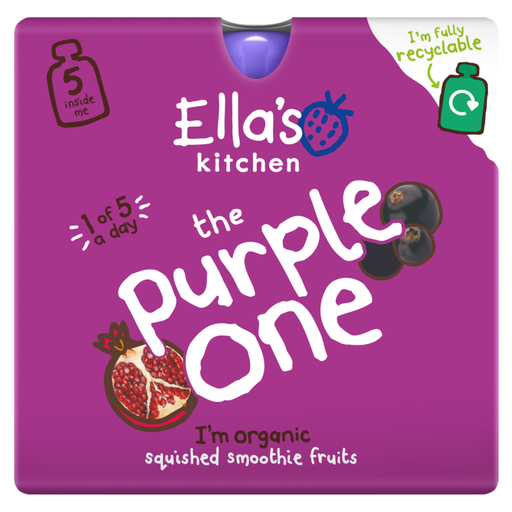 No image available
A packaged non-bar option for comparing snack formats. It is labelled 6+ months and comes as 5 x 90g; for toddler snack time, check its current ingredients and how it should be served. NHS advice is not to give snacks to children under one.
 No image available
A yoghurt pouch rather than a snack bar, labelled 6+ months. For a toddler, check the current allergen declaration, storage directions and serving instructions; keep the cap out of the child’s reach. The NHS advises against snacks for children under one.
 No image available
A 90g yoghurt option, not a bar. Check its current allergen declaration, storage directions and serving instructions before offering it to a toddler, and keep the cap out of reach. Its 6+ months label does not override NHS advice against snacks for children under one.
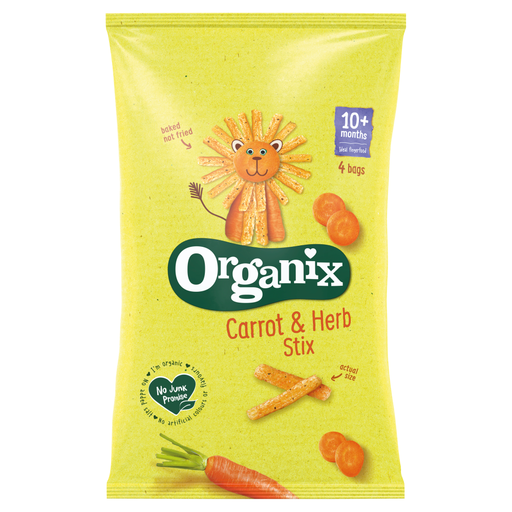 No image available
A non-bar finger-food format in a 4 x 15g pack. Check the current ingredients and texture, and have the child sit and be supervised while eating. Although labelled 10+ months, it should not be treated as a snack for a child under one under NHS guidance.
Do not use a low-calorie claim as the reason to make a bar the everyday choice. The NHS suggests snacks such as fruit, plain unsweetened yoghurt, toast and crackers for young children. If a bar is convenient on occasion, check its full label, portion and texture.
The NHS says children under one should not be given snacks. It also says honey must not be given before age one, which matters when checking cereal-bar ingredients.
Check the portion you would offer, sugars and salt on the nutrition panel, and the complete ingredients and allergen declaration. Read these together rather than treating ‘low calorie’, ‘reduced sugar’ or ‘protein’ as an answer to whether the bar suits your child.
Do not give a child under five a product containing whole nuts or whole seeds, in line with Department for Education food-safety guidance. For any particular bar, also check its texture and exact allergen declaration, supervise eating and confirm nursery rules if you plan to pack it.