Home workers wanting a small lunch-side snack
A pre-portioned bar makes the amount easy to identify, but pack sizes differ. Compare energy per bar with energy per 100g, and check whether the labelled serving is one bar or more.


If the bar is a small snack alongside lunch, start with the calories in the portion you will actually eat: Eat Natural’s Apple Soft Fruit Bar lists 86 kcal per 25g bar, while Tesco lists 122 kcal per 30g Graze Sticky Toffee Oat Boost. If you want more declared fibre or protein, compare those figures alongside energy and sugars rather than assuming the smallest bar will suit that purpose. None of these per-bar figures establishes that a bar is a complete lunch.
The useful distinction is whether a bar is a small addition to lunch or a more substantial snack for a longer break between meals.
A pre-portioned bar makes the amount easy to identify, but pack sizes differ. Compare energy per bar with energy per 100g, and check whether the labelled serving is one bar or more.
If those nutrients matter to your choice, compare the declared grams per bar alongside its calories and sugars. A larger protein bar is a different portion from a small fruit bar, not a like-for-like low-calorie substitute.
Check the ingredients and allergen wording for the exact flavour and pack. Vegan or gluten-free descriptions do not, by themselves, establish whether a bar is suitable for someone avoiding nuts or milk.
Decide what role the bar will play in lunch, then compare its labelled serving with the amount you expect to eat. The NHS notes that nutrition information is given per 100g and sometimes per portion, and that a manufacturer’s portion may differ from yours.
| Priority | What to check | Your needs |
|---|---|---|
| Portion and energy | Check kcal per bar, the bar’s weight and kcal per 100g. Confirm whether the serving refers to one bar, a pack or several pieces. | I want a small snack beside lunch, so the energy in the amount I will eat matters more than a figure for an unopened multipack. |
| Sugars | Read sugars per bar and per 100g. Treat a ‘no added sugar’ description separately from the total sugars shown in the nutrition table. | A fruit-and-nut bar appeals to me, but I also want to compare its declared sugars with other bars of a similar serving size. |
| Fibre and protein | Compare the declared grams per bar with its kcal and serving weight. Check the exact variant rather than assuming every flavour in a range has the same figures. | If I am choosing a bar partly for its fibre or protein, I want to see what comes in that portion before deciding whether it fits my lunch. |
| Ingredients and allergens | Read the current ingredients, emphasised allergens and may-contain statement. Check dietary-suitability wording for the exact flavour. | For a food allergy or dietary requirement, I need the pack’s specific wording; the brand name or flavour is not enough. |
A smaller bar can have fewer calories per bar partly because it contains less food. The NHS advises using per-100g information to compare differently sized products.
Check the bar weight, kcal per bar and kcal per 100g, then decide whether the stated portion matches what you plan to eat.
nākd. lists 17g sugars per 35g Blueberry Muffin bar despite describing it as having no added sugar. Eat Natural lists 13.8g sugars per 25g Apple Soft Fruit Bar.
Use the sugars line on the nutrition panel when comparing portions; ingredient or front-of-pack wording does not replace it.
Nature Valley UK lists 196 kcal for its 40g Protein Peanut & Chocolate bar, while TREK lists 219 kcal for its 50g Original Oat bar. Both are larger portions than the 25g Eat Natural Apple Soft Fruit Bar.
Choose a protein-led bar deliberately if its declared protein and portion suit your lunch, rather than treating it as interchangeable with a smaller bar.
nākd. describes Blueberry Muffin as vegan and gluten-free, but its ingredients include cashews and almonds. TREK says Original Oat may contain peanuts, nuts and milk.
Check the current pack’s ingredients and may-contain wording for the exact product, especially when changing flavours or buying a multipack.
These examples show why the exact bar and serving size matter more than a brand-wide description. Nutrition and allergen details should be checked against the pack you buy.
The 30g Sticky Toffee Oat Boost is one small oat-based option.
Protein Peanut & Chocolate is a 40g protein-bar option rather than the smallest portion in this comparison.
Alpen Light Summer Fruit is a small, 19g cereal-bar format.
The Apple Soft Fruit Bar is a 25g fruit-and-nut portion that Eat Natural describes as vegan and gluten-free.
Blueberry Muffin is a 35g fruit-and-nut bar described by nākd. as vegan, gluten-free and dairy-free.
Original Oat is a 50g protein flapjack for shoppers considering a larger snack portion.
These Joybuy options include smaller snack-bar portions and protein-bar formats for a working-from-home lunch break. Compare the exact flavour and pack before deciding which portion suits your lunch.
 No image available
For a small bar alongside lunch, compare the nutrition for one 21.5g bar with the amount you intend to eat. Check the pack’s sugars, ingredients and allergen statement.
 No image available
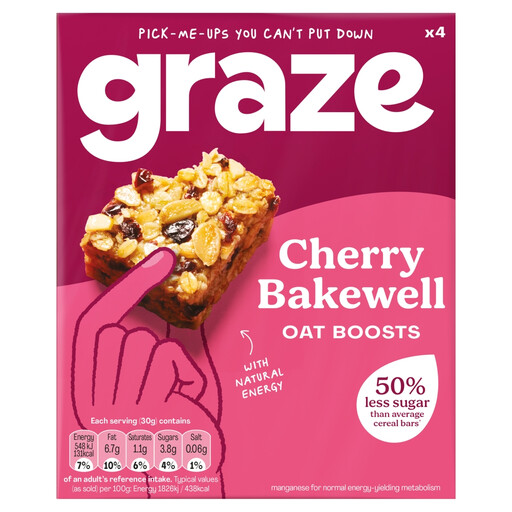
If you are comparing small oat-bar portions, use the Cherry Bakewell pack’s own energy, fibre and sugars figures. Nutrition details for Sticky Toffee Oat Boosts should not be assumed to apply to this flavour.
 No image available
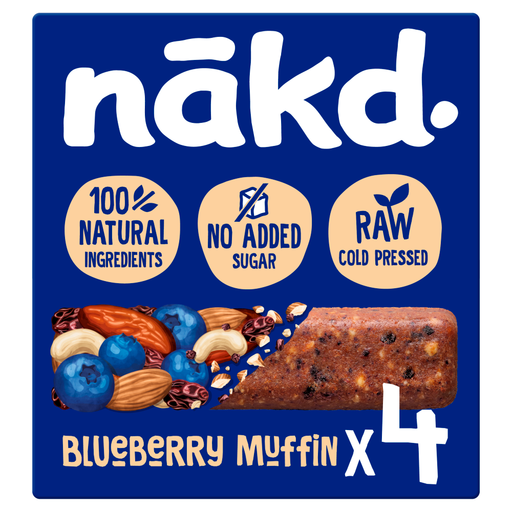
For a 35g fruit-and-nut snack, nākd. lists 131 kcal, 3.3g fibre and 17g sugars per bar. The manufacturer describes it as vegan and gluten-free; it contains cashews and almonds, so check the current allergen statement.
 No image available
For a protein-led snack, Nature Valley UK lists 10.2g protein and 4.4g fibre per 40g bar. Compare the current pack’s energy and sugars with smaller bars; its ingredients include peanut, soy and milk.
 No image available
If you are considering a protein bar rather than a smaller lunch-side snack, compare energy, protein and sugars for this Salted Caramel Nut variant on its own pack. Check its ingredients and allergen statement rather than applying figures from the Peanut & Chocolate flavour.
Compare kcal for the amount you expect to eat, then use kcal per 100g to compare bars of different weights. The NHS notes that labels provide energy per 100g and sometimes per portion, while the manufacturer’s suggested portion may differ from yours.
Yes. nākd. describes its Blueberry Muffin bar as having no added sugar but lists 17g sugars per 35g bar. Read the sugars figure in the nutrition table when comparing it with another portion.
Consider one when you specifically want the protein stated on the pack and its larger portion fits the rest of your lunch. Nature Valley UK lists 10.2g protein for its 40g Peanut & Chocolate bar, while TREK lists 10g for its 50g Original Oat bar; compare their energy figures with those of smaller bars before choosing.
No. nākd. describes Blueberry Muffin as vegan and gluten-free, but it contains cashews and almonds. Read the ingredients and may-contain statement on the exact current pack for any allergen you need to avoid.
Check the pack each time rather than relying solely on an earlier online listing. Nature Valley UK advises checking ingredients and nutrition information because products may be reformulated; switching flavours also calls for a fresh comparison.