For a baby under 12 months, do not choose an adult low-calorie snack bar as a between-meal snack: the NHS says babies this age do not need snacks and advises an extra milk feed if they seem hungry. When offering finger foods as part of meals, check the food’s size, shape, texture and ingredients rather than relying on a calorie claim; honey must be avoided until 12 months.
Who is making this choice?
Carers of babies under 12 months
If you are using baby-led weaning, the first question is whether your baby needs food between meals. The NHS says babies under 12 months do not need snacks; for self-feeding at mealtimes, consider the food’s size, shape and texture and supervise eating.
Parents comparing bars for an older baby or young toddler
An adult bar’s calorie, fibre or sugar claim does not tell you whether its texture and ingredients suit a young child. Check the particular pack for honey where the child is under 12 months, and assess nut pieces, allergens and texture at any age.
What should you check first?
Decide whether this is a between-meal snack or food for a weaning meal, then assess the particular food rather than its front-of-pack claim.
| Priority | What to check | Your needs |
|---|
| Age and mealtimes |
For a baby under 12 months, distinguish a meal from a between-meal snack. The NHS advises an extra milk feed if the baby seems hungry between meals. |
I want something convenient, but I need to know whether food is called for at all. For eating practice, I can offer appropriate foods as part of a meal. |
| Size and texture |
Consider whether the food’s size, shape and texture suit the child’s stage. NHS guidance cautions against firm foods and risky round shapes; keep the child seated upright and supervise eating. |
A bar may be easy to carry, but I need food my baby can manage while seated and watched, not a hard or crunchy adult snack. |
| Ingredients and allergens |
Read the current ingredients and allergen information. The NHS says to avoid honey entirely before 12 months; check nut pieces and the food’s texture rather than assuming a fruit-and-nut bar is suitable. |
Before offering a packaged food, I want to check what is actually in this variant and how it should be served. |
| Nutrition claims |
Compare the ingredients and nutrition information for the food and portion you would serve. A low-calorie or reduced-sugar description does not establish age suitability or a manageable texture. |
I do not want an adult bar’s front-of-pack claim to stand in for the checks that matter when feeding a baby. |
Common mistakes to avoid
-
Choosing an adult bar for its low-calorie or reduced-sugar claim
That claim does not establish that a baby needs a snack or that the bar’s ingredients and texture suit them. Tesco’s ingredient listing for Graze Honey Oat Boost, for example, includes honey, seeds, sugars and salt.
For a baby under 12 months who seems hungry between meals, follow NHS advice to offer an extra milk feed. Assess any food offered at mealtimes by age, ingredients, size and texture.
-
Assuming a fruit-and-nut bar is suitable for weaning
Some adult bars contain hard or crunchy nut pieces. Morrisons describes peanuts and almonds in its listing for Eat Natural Peanut Almond & Cocoa; the NHS advises considering food shape and firmness when preparing food for babies.
Check the exact current pack and choose a texture appropriate to the child rather than relying on the brand or a picture of fruit on the wrapper.
-
Offering food while a baby is moving or unattended
The eating situation matters as well as the food. NHS guidance calls for babies and young children to be seated upright and supervised while eating.
Offer suitable finger foods during seated, supervised mealtimes, not while a baby is reclining or moving around.
Adult snack-bar brands to check carefully
These brand references concern adult snack ranges; they do not establish that any bar is suitable for baby-led weaning.
Graze
Graze sells oat-based adult snacks, including Oat Boost flapjacks.
- Graze describes its Oat Boost flapjacks as having 45% less sugar than the average cereal bar; that is the brand’s comparison, not a baby-feeding assessment.
- Tesco’s listing for Honey Oat Boost includes honey, seeds, sugars and salt. Honey must be avoided for babies under 12 months, according to the NHS.
Nature Valley
Nature Valley UK lists adult cereal-bar ranges that include crunchy, nut-containing and honey-containing products.
- The range offers different formats and ingredient combinations to compare on their individual packs.
- A crunchy format or ingredients such as honey and nuts need an age, texture and ingredient check; the brand name alone does not establish suitability for a baby.
Eat Natural
Eat Natural UK lists adult fruit-and-nut bars with ingredients that vary by product.
- Its range includes different fruit-and-nut combinations, so the particular recipe matters.
- Morrisons describes crunchy peanuts, almonds and honey in its Peanut Almond & Cocoa listing. Do not assume that this adult bar’s texture or ingredients suit a baby.
Food options for weaning meals
These Joybuy options are finger foods and spoon-fed foods for weaning meals, not adult low-calorie snack bars or a reason to add snacks for a baby under 12 months. Check each pack’s age guidance, ingredients and serving instructions before offering it; purées serve a different purpose from foods a baby can pick up.
 No image available
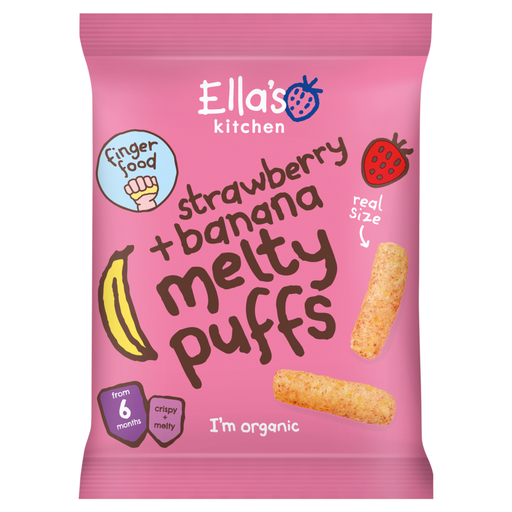
Ella's Kitchen Organic Strawberry & Banana Melty Puffs, 6+ Months, 20g
Melty puffs are a finger-food format to consider as part of a supervised weaning meal. Check the current pack’s age guidance before serving; the supplied product information gives conflicting starting ages.
View on Joybuy
 No image available
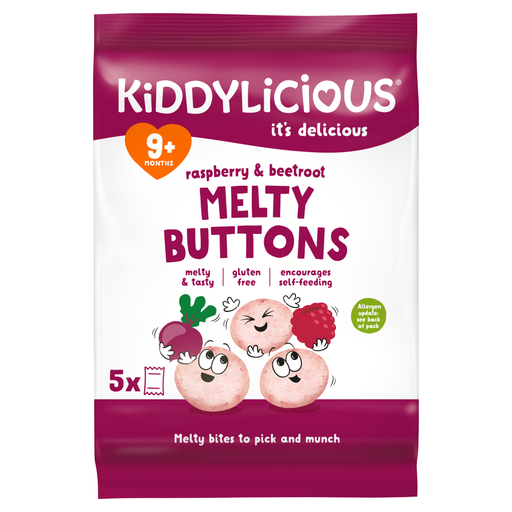
Kiddylicious Raspberry & Beetroot Melty Buttons, 9+ Months, 5 x 6g
A melty finger-food format labelled for 9+ months, rather than the start of weaning. Offer only if the child can manage the food’s size and texture while seated and supervised.
View on Joybuy
 No image available
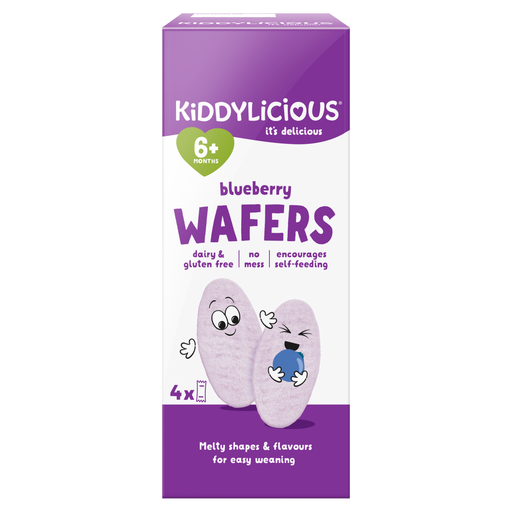
Kiddylicious Blueberry Wafers, 6+ Months, 4 x 4g
These wafers are labelled for 6+ months and provide a food a baby may be able to hold during a supervised meal. Read the current ingredients and nutrition label when comparing packaged weaning foods.
View on Joybuy
 No image available
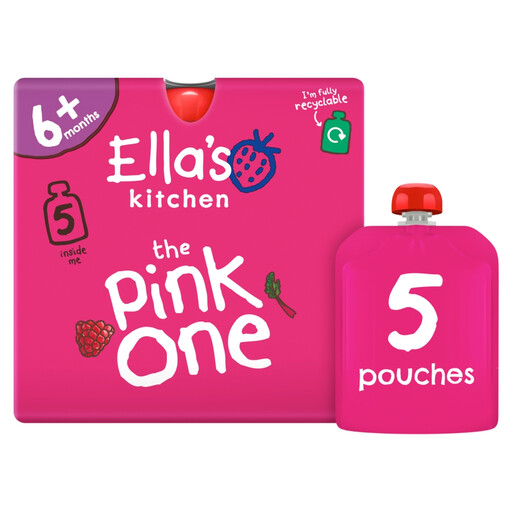
Ella's Kitchen The Pink One Multipack, 6+ Months, 5 x 90g
This 6+ months multipack is a purée option for a weaning meal, not a finger-food bar. If the aim is to let a baby practise picking up food, offer an appropriate finger food separately.
View on Joybuy
 No image available
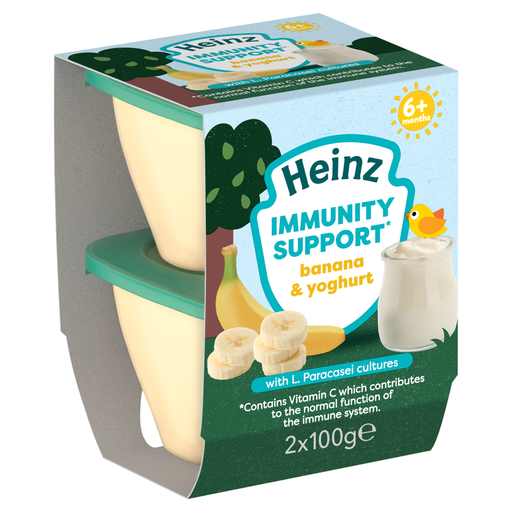
Heinz Banana & Yoghurt Immunity Support Pot, 6+ Months, 2 x 100g
These 6+ months pots are a spoon-fed food option for a weaning meal, not a food a baby can pick up. Check the current ingredients and nutrition label when deciding whether to include them in a meal.
View on Joybuy
Questions about bars and finger foods
Do babies under 12 months need snack bars between meals?
No. The NHS says babies under 12 months do not need snacks and advises offering an extra breast-milk or first-infant-formula feed if they seem hungry between meals.
Does a low-calorie claim make an adult bar suitable for baby-led weaning?
No. A calorie claim does not address whether a baby needs a snack or can manage the bar’s texture and ingredients. Check the child’s age and the particular food before considering its nutrition claims.
Can a baby under 12 months have a bar containing honey?
No. The NHS says honey should be avoided completely until a baby is 12 months old, so check the ingredients even when a bar is described as containing fruit or oats.
Are crunchy nut bars appropriate finger foods?
Do not assume they are. Hard or chunky nut pieces require particular care when assessing choking risk; the NHS advises checking the size, shape and texture of food prepared for babies. An adult bar’s ingredients and format should be assessed individually.
How should I offer finger foods during weaning?
Offer foods the baby is ready to manage while they are alert, seated upright and supervised. Follow NHS advice to consider size, shape and texture, avoiding firm foods and risky round shapes.


