Commuters watching total fat
A bar is easy to carry, but its size alone tells you little about a low-fat claim. Compare fat per 100 g first, then the amount in the portion you will eat.


If reducing total fat is your priority, check each breakfast bar’s fat content per 100 g before its portion size or front-of-pack claims. The low-fat nutrition-claim rule published on legislation.gov.uk sets a limit of 3 g fat per 100 g for solid foods; Nature Valley UK lists 17.9–18.4 g per 100 g across three Crunchy flavours, so fibre or portability may be reasons to consider those bars, but a low-fat claim is not.
A bar is easy to carry, but its size alone tells you little about a low-fat claim. Compare fat per 100 g first, then the amount in the portion you will eat.
Oat, fruit-and-nut and protein bars emphasise different ingredients or nutrients. Decide which attribute matters to you, then check it alongside total fat on the same pack.
Check the ingredients, highlighted allergens and precautionary statements for the exact flavour. Do not assume that another bar from the same brand has the same ingredients or suitability.
Start with the per-100 g nutrition figures, then check what one breakfast portion contains and whether the ingredients suit you.
| Priority | What to check | Your needs |
|---|---|---|
| Total fat | Read fat per 100 g. Under the low-fat nutrition-claim rule published on legislation.gov.uk, a solid food must contain no more than 3 g fat per 100 g to carry that claim; a smaller bar does not change its per-100 g value. | If I am looking specifically for a low-fat bar, I need the current pack to meet that threshold—not just to look lighter or come in a small portion. |
| Portion | Check whether the stated serving is one bar, two bars or a whole pack. Compare the fat in the amount you intend to eat as well as the per-100 g figures. | I want a quick breakfast I can take with me, so I need to know how many bars the nutrition figures cover. |
| Other nutrients | Read sugars, fibre and protein separately from total fat. For example, Nature Valley UK lists 7.5 g fibre and 17.9 g fat per 100 g for Crunchy Apple & Cinnamon. | Fibre or protein might matter more to me than a low-fat claim, but I do not want one figure to stand in for the others. |
| Ingredients | Check the exact flavour’s ingredients, highlighted allergens and any precautionary statements. Check a product-specific gluten-free statement if that suitability matters to you. | When I pick up a bar on the way out, I still need its own label to answer my ingredient and allergen questions. |
| Current pack | Match nutrition information to the flavour and pack you are buying rather than an older listing or another product in the range. | I want the figures I compare to describe the bar I will actually take for breakfast. |
A small portion can contain fewer grams of fat than a larger one while still exceeding the per-100 g limit for a low-fat claim.
Compare fat per 100 g first, then calculate what the stated serving means for the number of bars you will eat.
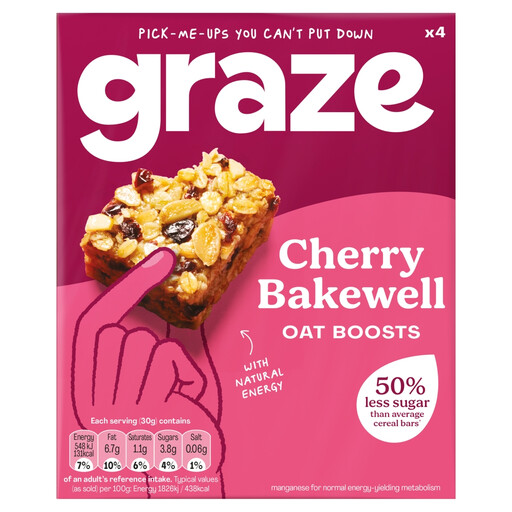
These describe different attributes. Graze’s own Oat Boost claims concern sugar and saturated fat reductions, not a low-fat claim for total fat.
Choose the attribute that matters to you and check total fat, saturates, sugars, fibre and protein separately on the current pack.
Alpen says in its FAQ that several Alpen Light bars, including Chocolate & Orange, are no longer being made. An older product reference is therefore a poor basis for choosing a bar to buy now.
Check the current range and retailer listing, then use the pack you receive for its nutrition and ingredient information.
Ingredients and precautionary warnings can differ by flavour. Nature Valley UK says its Crunchy Oats & Honey bars may contain peanut, tree nuts and soya.
Read the full ingredient list and warnings for the exact bar rather than relying on its brand or whether it looks like an oat or fruit snack.
These brand examples illustrate different bar formats and label checks; they do not establish that a whole range is low fat.
Oat Boost flapjack-style bars are a portable oat-bar format.
Its Crunchy range includes oat bars with published nutrition figures for individual flavours.
Older Alpen Light references may appear when searching for lighter cereal bars.
Fruit-and-nut bars offer a different ingredient format from crunchy oat bars.
Protein flapjacks offer an oat-bar option when protein or a particular dietary label is the selection priority.
Its listed formats include nut-and-dried-fruit bars and protein bars.
These oat, fruity breakfast and fruit-and-nut bars offer different formats for a grab-and-go breakfast. Compare the current nutrition and ingredient information for each product before choosing one for a fat-related requirement.
 No image available
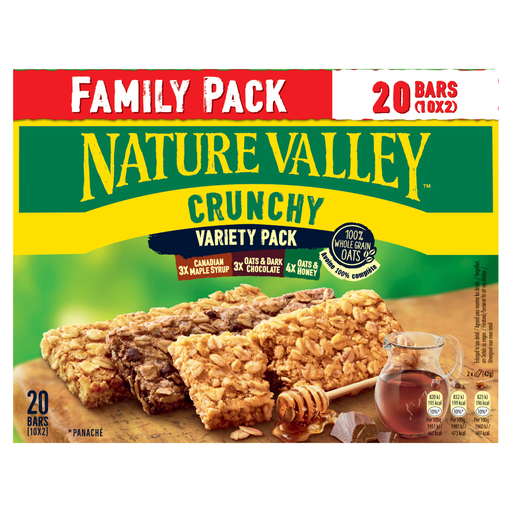
A variety pack for taking oat bars with you. Check the nutrition and allergen information for each included flavour rather than assuming every bar has the same figures.
 No image available
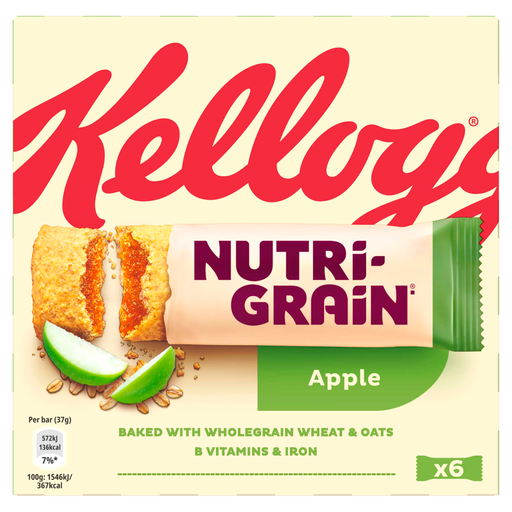
An apple-flavour breakfast bar in a six-pack. Compare fat per 100 g and the stated serving before choosing it for a lower-fat breakfast.
 No image available
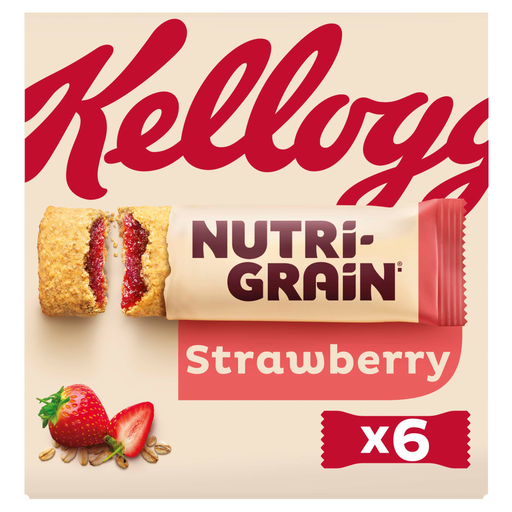
A strawberry variant of the six-pack breakfast-bar format. Use its own per-100 g label and allergen information rather than figures for another Nutri Grain flavour.
 No image available
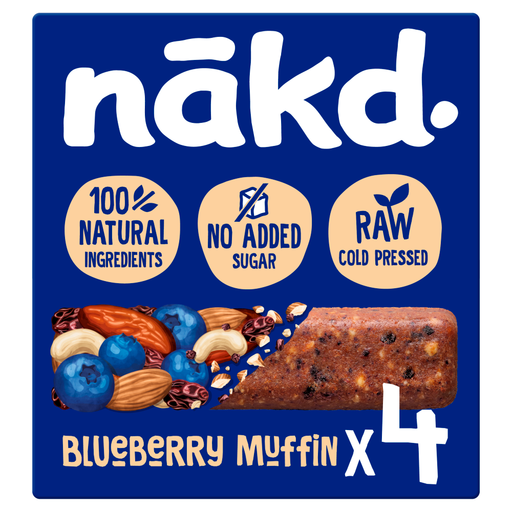
A fruit-and-nut alternative to an oat or cereal bar, packed as four 35 g bars. Check the exact product’s nut ingredients and total fat if either affects your choice.
 No image available
A flapjack-style oat bar in a pack of four 30 g portions. Graze’s range-level sugar and saturated-fat claims are not a substitute for checking this flavour’s total fat per 100 g.
The low-fat nutrition-claim rule published on legislation.gov.uk permits the claim for a solid food only when it contains no more than 3 g fat per 100 g. Check the per-100 g column first, then the serving size for the amount you plan to eat.
No. Nature Valley UK lists its Crunchy Apple & Cinnamon bars at 7.5 g fibre and 17.9 g fat per 100 g. Fibre may be a reason to consider that bar, but its total fat exceeds the 3 g-per-100 g low-fat claim limit published on legislation.gov.uk.
Not as evidence that a particular bar is still being made. Alpen says several Light bars, including Chocolate & Orange, are no longer being made; check the current range, retailer listing and pack information for any bar you are considering.
Read the ingredients, highlighted allergens and precautionary warnings for the exact flavour. Nature Valley UK, for example, says its Crunchy Oats & Honey bars may contain peanut, tree nuts and soya; another flavour or brand may have different information.