Choose whole chestnuts if low fat is the main requirement: ASDA lists Merchant Gourmet Whole Chestnuts at 1.3g fat per 100g, compared with 48g to 53g per 100g for its cited 500g peanut and mixed-nut products. Bulk peanuts or mixed nuts offer a larger pack of a different kind of snack, but pack size and dry roasting do not make them low fat. Check the exact pack’s nutrition panel, allergens and storage instructions before buying for the household.
Who is each option for?
Households prioritising low fat
Whole chestnuts are worth comparing when fat per 100g matters more than buying one large bag. ASDA lists Merchant Gourmet Whole Chestnuts at 1.3g fat per 100g; check the figure on any other chestnut product separately.
Families wanting a larger shareable pack
ASDA lists 500g packs of salted peanuts, dry-roasted peanuts and mixed nuts. These suit a different shopping aim from choosing a low-fat product: the cited packs contain 48g to 53g fat per 100g.
Households checking allergens
Check the ingredients and precautionary allergen wording on each exact pack. Peanut and tree-nut declarations differ between products, and a different type of nut should not be assumed suitable for everyone in the household.
What should you compare?
Decide whether low fat or a large pack comes first, then compare products on the same per-100g basis and check how the household will use an opened pack.
| Priority |
What to check |
Your needs |
| Fat content |
Compare fat per 100g and read the exact product’s low-fat wording. ASDA lists Merchant Gourmet Whole Chestnuts at 1.3g fat per 100g, its dry-roasted peanuts at 48g and its salted peanuts and mixed nuts at 53g. |
If reducing fat is my main shopping criterion, I need the nutrition panel to support that choice—not just a large pack or a dry-roasted description. |
| Pack and storage |
Check net weight, portions and instructions after opening. The cited Merchant Gourmet pouch is 180g; ASDA’s cited peanut and mixed-nut packs are 500g and suggest 16 servings. |
Will we use a chestnut pouch for snacks or meals soon after opening, or would a larger pack of conventional nuts better match what the household plans to eat? |
| Allergens |
Read the ingredients, highlighted allergens and any “may contain” statement on the current pack. The Food Standards Agency explains that precautionary allergen labelling communicates possible unintended allergen presence. |
I need to check each product against the household’s allergen requirements rather than assume peanuts, mixed nuts and chestnuts carry the same declarations. |
| Salt and seasoning |
Compare salt per 100g as well as fat. ASDA lists 0.94g salt per 100g for its dry-roasted peanuts and 0.80g for its salted peanuts; the seasonings and figures belong to those specific products. |
If seasoning matters to us, I want to compare the actual packs instead of treating “dry roasted” as a shortcut for either fat or salt content. |
What could lead to the wrong choice?
-
Assuming a large or dry-roasted pack is low fat
ASDA lists 48g fat per 100g for its 500g dry-roasted peanuts and 53g for its cited salted peanuts and mixed nuts. Those figures answer a different need from its Merchant Gourmet chestnuts at 1.3g per 100g.
Compare fat per 100g on the exact products you are considering, and check any low-fat claim against the pack label.
-
Buying several chestnut pouches without a use plan
A 180g chestnut pouch is a different format from a 500g bag of peanuts. The cited Merchant Gourmet product needs refrigeration after opening and its remaining contents should be used within 3 days.
Plan which pouches will be opened for snacks or cooking, and follow the storage instructions on the packs bought.
Refrigerating an opened pouch and using it within the stated period takes more planning when buying several at once.
-
Assuming every nut product suits every family member
The cited peanut and mixed-nut packs declare different allergens and warn that small children can choke on nuts. The Food Standards Agency says a “may contain” statement can indicate possible unintended allergen presence.
Read the current pack’s ingredients, allergen declarations, precautionary wording and child-safety warnings before deciding what to bring home.
Which brand references are useful?
These product-line examples help distinguish a low-fat chestnut pouch from larger conventional nut packs; they do not describe every product made or sold by each brand.
Merchant Gourmet
Its Whole Chestnuts 180g are a ready-to-eat or cooking option for shoppers comparing low-fat products.
- ASDA lists whole chestnuts as the sole ingredient, a low-fat label and 1.3g fat per 100g.
- The 180g pouch is not a like-for-like replacement for a large bag of crunchy peanuts; follow its after-opening refrigeration instructions.
Asda
Its cited own-label 500g peanuts and mixed nuts illustrate the larger conventional-nut route.
- The cited salted peanuts, dry-roasted peanuts and mixed nuts come in 500g packs; the listings suggest 16 servings.
- ASDA lists 48g to 53g fat per 100g across those particular products, so check the label rather than treating the pack format as a low-fat claim.
Sainsbury's
Its cited Merchant Gourmet Whole Chestnuts listing provides another reference for the 180g chestnut product.
- The cited listing describes the product as low fat and gives 1.3g fat per 100g.
- Check the current listing and physical pack before shopping, as product information and availability can change.
Joybuy chestnut options
These chestnut products cover the chestnut side of the choice. Compare each pack’s own nutrition label and storage instructions before treating it as a low-fat alternative to bulk peanuts or mixed nuts.
 No image available
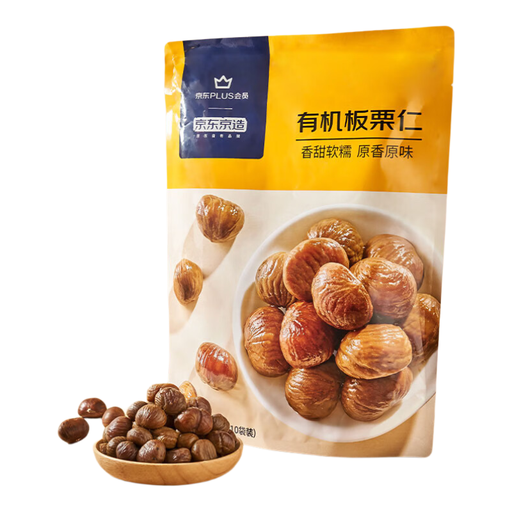
J.ZAO S++ Grade Whole Chestnuts 1 kg, 10 sachets
The 1 kg total comes in 10 sachets, a format to consider if the household plans to open chestnuts in separate portions. The title describes them as peeled and ready to eat; check this product’s fat per 100g and sachet storage instructions on its label.
View on Joybuy
 No image available
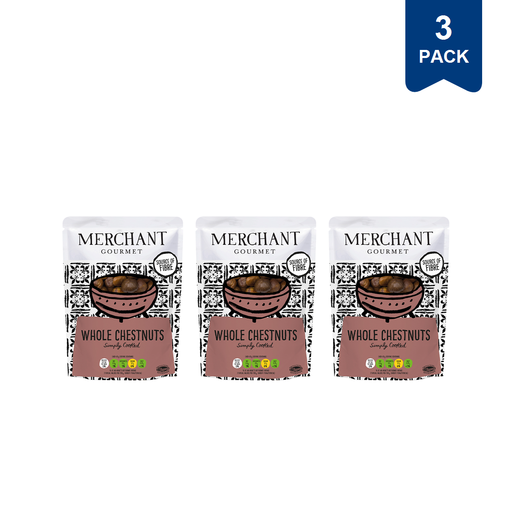
Merchant Gourmet Whole Chestnuts, 3 × 180g
Three separate 180g packs may suit a household using chestnuts on different occasions. ASDA lists the corresponding Merchant Gourmet Whole Chestnuts 180g product at 1.3g fat per 100g; check the delivered packs’ nutrition, allergen and after-opening storage labels.
View on Joybuy
 No image available
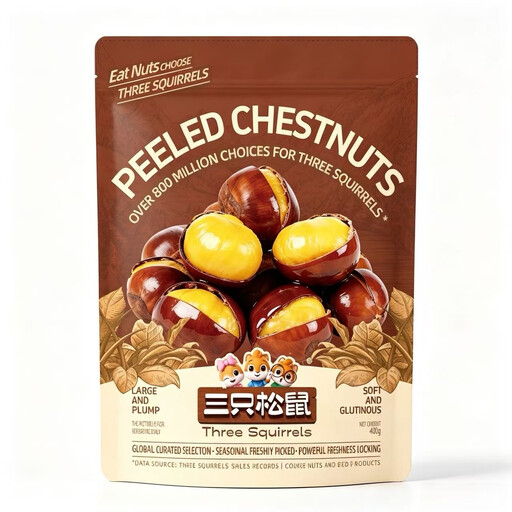
Three Squirrels New & Unique Sweet Chestnut Kernels 400g
The 400g pack is another chestnut format to compare with smaller pouches. Check its own fat per 100g, ingredients and storage directions; figures for Merchant Gourmet chestnuts do not establish this product’s nutrition values.
View on Joybuy
 No image available
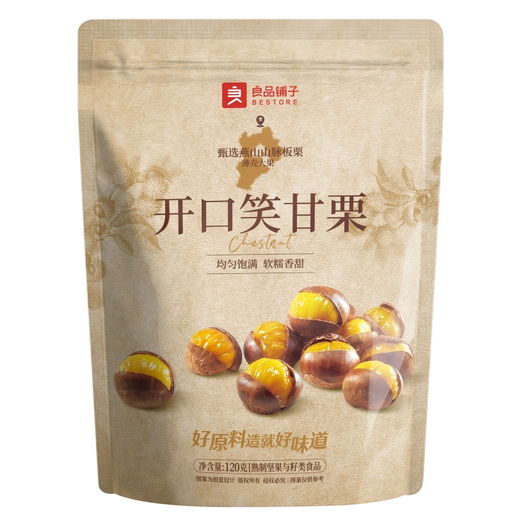
Bestore Smiling Chestnuts 120g bag
At 120g per bag, this is a smaller pack to weigh against the amount the household plans to use. Check the bag’s nutrition and ingredients if low fat is the deciding requirement, along with its instructions after opening.
View on Joybuy
 No image available
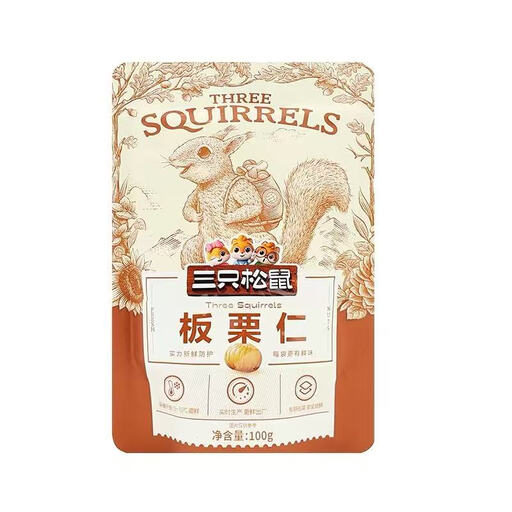
Three Squirrels Chestnut Kernels 100g
This 100g pack is a smaller chestnut option rather than a bulk family bag. Compare its own per-100g nutrition panel and pack instructions with the other formats before deciding how many packs would suit planned use.
View on Joybuy
Common questions
Are bulk peanuts or mixed nuts a low-fat choice?
Not on the cited ASDA product figures: its 500g salted peanuts and mixed nuts each list 53g fat per 100g, while its dry-roasted peanuts list 48g. Compare the exact product’s per-100g panel rather than assuming a large or dry-roasted pack is low fat.
What makes the cited Merchant Gourmet chestnuts different?
ASDA lists Merchant Gourmet Whole Chestnuts 180g as low fat, with whole chestnuts as the sole ingredient and 1.3g fat per 100g. They are a smaller, softer chestnut product rather than a crunchy 500g peanut or mixed-nut snack.
How should opened Merchant Gourmet chestnuts be stored?
Refrigerate unused contents of the cited Merchant Gourmet Whole Chestnuts pouch in a sealed container and use them within 3 days of opening. Check the instructions on the pack you buy, particularly when choosing a multipack for separate meals or snacks.
Can a family use one nut product’s allergen label to judge another?
No. Check the ingredients and precautionary wording on each exact pack, including whether it declares peanuts or particular tree nuts. The Food Standards Agency explains that “may contain” wording communicates possible unintended allergen presence.


