Fat-first label comparers
If keeping fat low is your main shopping concern, compare total fat and saturates per 100g rather than relying on words such as “light” or “reduced fat”.


If you specifically want a ready-to-serve tin, Ambrosia Low Fat Custard 400g lists 2.0g fat per 100g; the NHS food-label guide uses 3g or less per 100g as its general low-fat threshold for foods. Tesco Reduced Fat Custard lists 1.5g fat per 100g in a UHT format, while Bird's Original Custard Powder lists 1.5g per 100g only when prepared with semi-skimmed milk. Compare sugars and the amount you intend to serve too; a general label category cannot establish whether a product fits a prescribed diet.
If keeping fat low is your main shopping concern, compare total fat and saturates per 100g rather than relying on words such as “light” or “reduced fat”.
If you want to pour custard straight from a pack and serve it hot or cold, a ready-to-serve tin or UHT pack avoids making custard from powder.
If preparation fits your routine, custard powder lets you make the amount you intend to serve. Compare prepared nutrition only for the method stated on the label.
For cupboard custard when keeping fat low matters, start with the nutrition panel per 100g, then consider your serving and whether you want to prepare it.
| Concern | What to check | Who this matters to |
|---|---|---|
| Total fat | Compare total fat per 100g, then work out the fat in the portion you intend to serve. The NHS general low-fat threshold for foods is 3g or less per 100g. | If I am working to a fat limit, I need to know what my actual serving contributes, not just what the front of the pack says. About 42% of consumers put total fat first. |
| Sugars and portions | Compare sugars per 100g on the same basis and check the stated serving size. Tesco Groceries lists 7.4g sugars per 100g for Ambrosia Low Fat Custard and 11.3g for Tesco Reduced Fat Custard. | If I am also comparing sugars, a low-fat description does not answer my question about the dessert I will pour. For about 33% of consumers, sugars and serving size are the primary concern. |
| Format and leftovers | Check whether the product is ready to serve or needs preparation, and follow its instructions after opening or making it up. | When I need dessert without preparation, I want a pack size I can use within its opened-pack storage period; if I have time to make custard, powder may suit my routine. Format and potential waste come first for about 25% of consumers. |
“Reduced fat” compares a product with a reference product: Tesco says its Reduced Fat Custard contains 40% less fat than Tesco Ready To Serve Custard. The NHS low-fat threshold instead uses grams of total fat per 100g.
Read the per-100g figure before deciding whether the product fits your shopping criteria.
Ambrosia's stated portion is 130g and Tesco Reduced Fat Custard's is 125g. Their portion figures therefore represent different amounts of food.
Compare nutrition per 100g first, then calculate it for the amount you expect to serve.
Bird's custard powder needs preparation. Ready-to-serve custard avoids that step, but the Ambrosia and Tesco products advise refrigeration and use within 3 days of opening.
Choose a pack and preparation method that suit when and how much custard you plan to use.
An opened pack you cannot finish within its stated storage period may lead to food waste.
The Ambrosia and Tesco ready-to-serve products contain milk, while Bird's Original Custard Powder is labelled as possibly containing milk. A vegetarian description does not establish that a product is dairy-free.
Check the allergen declaration on the exact pack if milk is relevant to your purchase.
Ambrosia Low Fat Custard 400g is a ready-to-serve tin for shoppers who specifically want canned custard.
Tesco Reduced Fat Custard 500g is a ready-to-serve UHT alternative, rather than a tin.
Bird's Original Custard Powder is a dry cupboard option for shoppers willing to make custard.
These selections include a ready-to-serve tin, other cupboard custards and mixes that need preparation. Check the format and nutrition of each product rather than treating them as interchangeable low-fat tins.
 No image available
Choose this if a ready-to-serve tin is important to you. Tesco Groceries lists 2.0g fat, 1.0g saturates and 7.4g sugars per 100g for Ambrosia Low Fat Custard. It contains milk; refrigerate after opening and use within 3 days.
 No image available
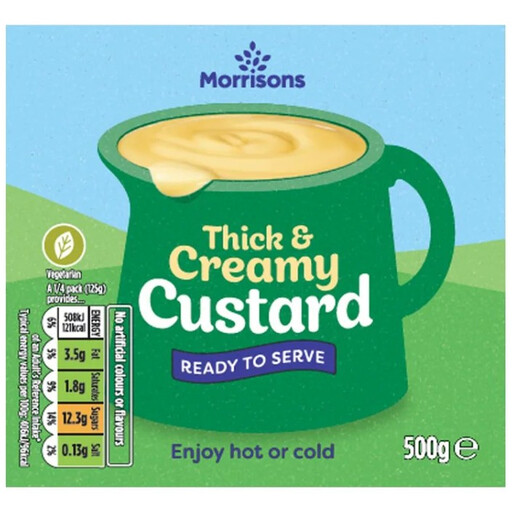
Consider this ready-to-serve carton if you do not specifically need a tin. The 1kg pack makes the amount you expect to use worth considering; check its nutrition panel and milk declaration. Refrigerate after opening and use within 3 days.
 No image available
This is a ready-to-serve option if avoiding preparation matters more than buying a tin. Check the pack's format, per-100g nutrition and milk declaration against your needs. Refrigerate after opening and use within 3 days.
 No image available
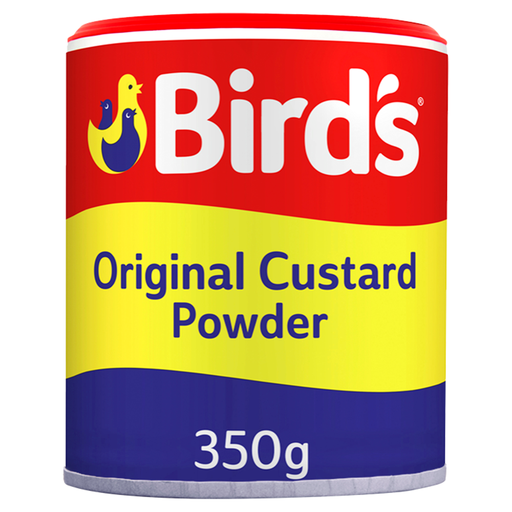
Choose powder if you are willing to make custard rather than pour it from a ready-to-serve pack. Tesco Groceries lists 1.5g fat per 100g for Bird's Original Custard Powder when prepared with semi-skimmed milk; use that figure only for the stated preparation method. Check the pack's milk warning, and refrigerate custard once made.
 No image available
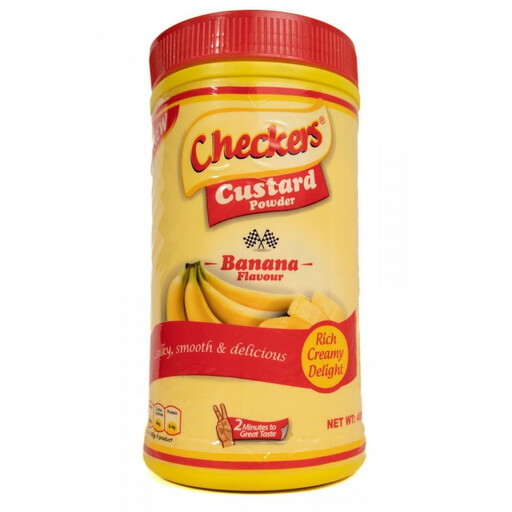
This banana custard mix is for shoppers prepared to make custard rather than serve it straight from a pack. Check the preparation instructions alongside any nutrition stated for the made-up custard, and check the milk declaration. Refrigerate once prepared and use within 24 hours.
The NHS food-label guide describes foods with 3g total fat or less per 100g as low fat. Compare custards per 100g before looking at stated servings, which can differ in size.
A low-fat label alone cannot establish whether a serving fits an individual prescribed allowance. Oxford University Hospitals NHS Foundation Trust's guidance for people specifically advised to have no more than 20g of fat a day addresses daily intake, so check the fat in your intended portion against the instructions you have been given.
A low-fat description does not establish a low sugar content. Tesco Groceries lists 7.4g sugars per 100g for Ambrosia Low Fat Custard and 11.3g for Tesco Reduced Fat Custard; it lists 9.5g for Bird's Original Custard Powder when prepared with semi-skimmed milk.
The Ambrosia Low Fat and Tesco Reduced Fat ready-to-serve products advise refrigeration and use within 3 days of opening. Bird's custard powder can be stored dry before preparation; refrigerate the custard once made and treat it as fresh food.
Check the declaration on the exact pack. Ambrosia Low Fat Custard and Tesco Reduced Fat Custard contain milk, while Bird's Original Custard Powder is labelled as possibly containing milk.