People following a prescribed minimal-fat diet
Compare total fat per 100g, then account for your portion within the plan given by your treating team. A general low-fat label is not the same as meeting an individual allowance.


Compare total fat per 100g, then check the current pack for the particular allergen you need to avoid: the lowest-fat option is not necessarily suitable for an allergy, and a short ingredient list is not a free-from claim. For a prescribed minimal-fat diet, follow your individual plan; Oxford University Hospitals NHS Foundation Trust uses less than 0.5g fat per 100g as its fat-free category in guidance for a diet of no more than 20g fat per day.
Compare total fat per 100g, then account for your portion within the plan given by your treating team. A general low-fat label is not the same as meeting an individual allowance.
Check fat and allergen information separately. A gluten-free or nut-free statement helps only if it covers the allergen you need to avoid; read the rest of the current pack as well.
Check which type of product you are holding before comparing nutrition panels. A mix containing nuts may have a different fat figure and allergen declaration from plain dried fruit.
Start with the product type and total fat figure, then read the ingredients and allergen wording for the exact pack you intend to use.
| Priority | What to check | Your needs |
|---|---|---|
| Total fat | Compare total fat per 100g on the same basis, then calculate the fat in your portion. The NHS describes 3g fat or less per 100g as low fat for foods; Oxford University Hospitals NHS Foundation Trust uses less than 0.5g per 100g as its fat-free category in minimal-fat-diet guidance. | For an everyday low-fat choice, I want to compare packs consistently. If I have a prescribed fat allowance, the amount I eat must also fit my individual plan. |
| Named allergen | Match any free-from statement to the allergen you avoid. Read the full ingredient and allergen information, including any precautionary wording such as “may contain”. | A nut-free or gluten-free claim matters to me only when it covers my particular requirement; it does not answer every other allergen question. |
| Sulphites and ingredients | Look for sulphur dioxide or sulphites in the ingredient and allergen information. The Food Standards Agency identifies them as ingredients used in some dried fruit; compare recipes rather than assuming that all packs of the same fruit are alike. | If I need to avoid sulphites, a low fat figure or a short ingredient list cannot replace checking the current label. |
| Fruit or nut mix | Check the product description and ingredients for nuts before comparing total fat per 100g. A Joybuy BE&CHEERY mixed nuts and dried fruits listing declares tree nuts and 58.9g fat per 100g. | When I am looking for low-fat dried fruit, I do not want to mistake a fruit-and-nut mix for plain fruit. |
The Joybuy listing for BE&CHEERY Mixed Nuts and Dried Fruits declares tree nuts and 58.9g fat per 100g. That figure and allergen declaration are specific to the mix, not to dried fruit generally.
Check the ingredients first, then compare the total fat per 100g of products that meet your requirements.
Fat and allergen information answer different questions. Marks & Spencer lists sulphur dioxide in Orchard Fruits Medley and warns that it is not suitable for people with a nut allergy.
Make two checks on the current pack: total fat for your diet and allergen wording for the ingredient or allergen you avoid.
A claim naming gluten or nuts does not establish suitability for other allergens. The Food Standards Agency explains that precautionary allergen wording communicates a risk of unintended allergen presence.
Match the named claim to your requirement and read the full label, including any “may contain” statement.
Ingredients and allergen information can change. Sainsbury’s advises customers to check product packaging before purchase or consumption.
Use online details to narrow your options, then check the pack supplied with your order before eating it.
These examples show why nutrition and allergen checks need to be made for an individual product, not for a brand’s entire range.
A named free-from claim can help narrow a fruit-snack choice when it matches the allergen you avoid.
Marks & Spencer product listings illustrate how fat and allergen details can differ within a dried-fruit range.
Sunny Raisins provides a raisin example for comparing dried-fruit labels.
Individual Tesco listings provide figures and allergen declarations to compare before checking the pack.
Sainsbury’s provides allergen-specific lists for its own-brand and in-store prepared products.
These options include prunes, dried plums, dates, freeze-dried mango and a fruit roll. Check each pack’s fat and allergen information against your own requirements; a fruit roll is not the same format as whole dried fruit.
 No image available
Pitted prunes are an option if you prefer pieces of dried fruit to a fruit roll. Check the pack’s total fat per 100g and allergen information against your requirements; the product information also mentions isomaltose, which may matter if your plan restricts particular ingredients.
 No image available
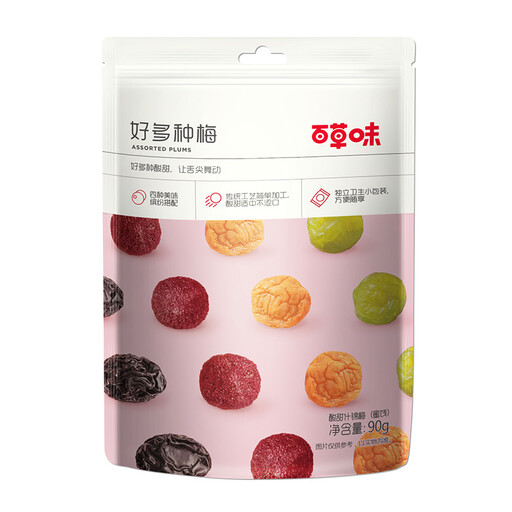
This dried-plum pack is an alternative to plain dried fruit, but its name states that it contains sweeteners. Read the ingredient list, total fat figure and allergen wording on the current pack before deciding whether it fits your requirements.
 No image available
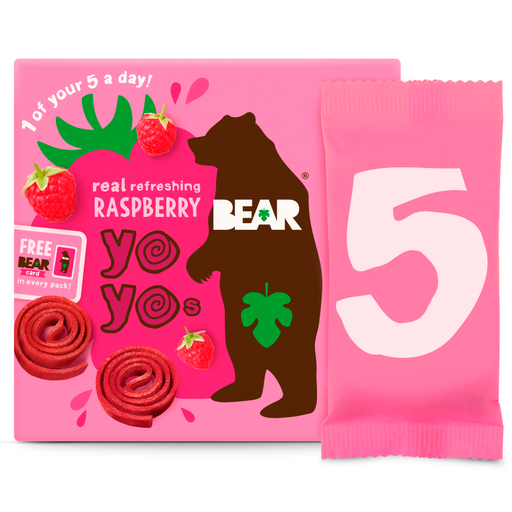
These raspberry fruit rolls come as five 20g portions rather than pieces of whole dried fruit. Check this product’s own fat and allergen information: a claim on a different BEAR product does not establish the claims for this variant.
 No image available
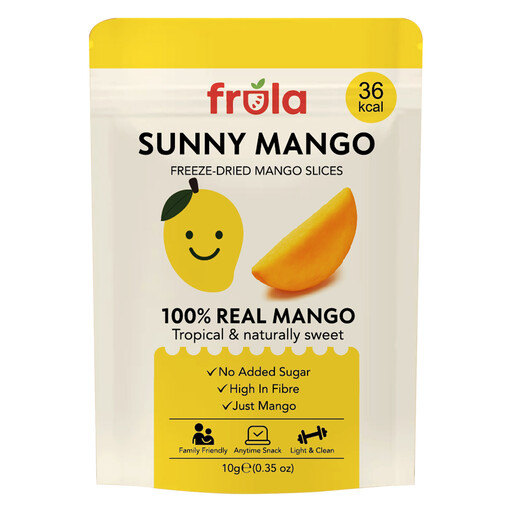
Freeze-dried mango offers a different format from prunes or dates. For a low-fat or allergen-specific choice, compare the current pack’s per-100g nutrition panel and allergen wording rather than relying on the fruit name alone.
 No image available
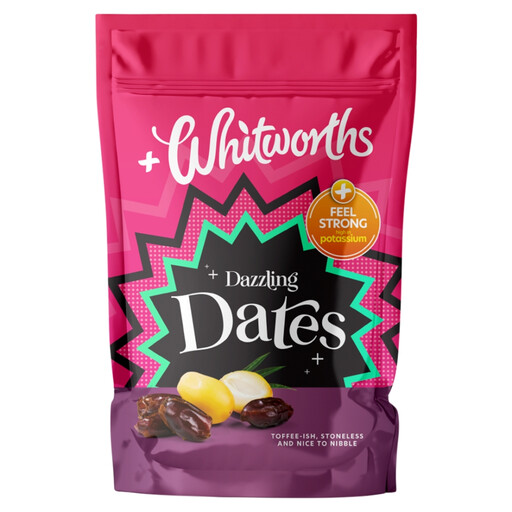
Dates are a dried-fruit option to compare with the other formats here. Check this pack’s own fat and allergen details rather than applying figures from Whitworths Sunny Raisins; the dates’ product information also warns of occasional shell fragments.
The NHS describes foods with 3g total fat or less per 100g as low fat. Compare that per-100g figure across packs, but follow your individual plan if you have a prescribed fat allowance.
Use the limits in the plan from your treating team rather than relying on a general low-fat label. In guidance for a diet of no more than 20g fat per day, Oxford University Hospitals NHS Foundation Trust places foods with less than 0.5g fat per 100g in its fat-free category and says to minimise foods with 0.5g to 3g per 100g.
No. Match the claim to the allergen you need to avoid, then check the current ingredients and any precautionary wording for other relevant allergens. The Food Standards Agency explains that “may contain” wording signals a possible risk of unintended allergen presence.
Sulphur dioxide and sulphites are used in some dried fruit, according to the Food Standards Agency. Tesco Dried Mixed Fruit and some Marks & Spencer fruit medleys list sulphites, so check the individual pack if you need to avoid them, regardless of its fat figure.
No. Use the listing to narrow your choice, then read the packaging of the product supplied before eating it. Sainsbury’s advises checking packaging before purchase or consumption because product information can change.