People taking breakfast to work
An individual 30 g dried-fruit pack is easy to take alongside breakfast and matches the NHS dried-fruit portion. Check its fat value and ingredients rather than assuming the pack size tells you either.


For a quick breakfast, compare dried fruit by fat per 100 g, then choose a 30 g pack if you want it to count as one NHS 5 A Day dried-fruit portion. The low-fat claim threshold for solid foods published on legislation.gov.uk is no more than 3 g fat per 100 g. Smaller boxes can be useful additions, but fruit-and-nut mixes need their own fat check; read the exact ingredients for sulphites, peanuts and sweetened fruit.
An individual 30 g dried-fruit pack is easy to take alongside breakfast and matches the NHS dried-fruit portion. Check its fat value and ingredients rather than assuming the pack size tells you either.
If keeping fat low is the reason for switching, compare the nutrition panels. Whitworths lists 0.05 g fat per 100 g for its 1DERS apricots, but 23.6 g per 100 g for its 1DERS Energising Fruit and Nut Mix.
The fruit name alone does not identify every ingredient. Check the exact pack for sulphites, peanuts, added juice or sweetened fruit where these matter to your choice.
Start with the fat value on a comparable per-100 g basis, then decide whether the pack is a full dried-fruit portion or a smaller breakfast addition.
| Priority | What to check | Your needs |
|---|---|---|
| Fat content | Compare fat per 100 g, not just per pack. The low-fat claim threshold for solid foods published on legislation.gov.uk is no more than 3 g per 100 g; check a fruit-and-nut mix separately from plain fruit. | I want to keep fat low without assuming that a pack labelled as a fruit mix has the same nutrition as plain dried fruit. |
| Pack size | Look at the weight of each individual pack. The NHS says 30 g dried fruit counts as one 5 A Day portion; a 14 g box is smaller, even if the outer pack contains several boxes. | A small box may be enough as an addition to my breakfast. If I want the dried fruit to count as a full 5 A Day portion, I need 30 g. |
| Ingredients | Read the ingredient and allergen panel for sulphites, peanuts, juice-infused fruit and sweetened fruit. Check the particular product rather than relying on the brand or fruit pictured. | I need to know what is in the pack, especially if I avoid particular allergens or prefer plain fruit. |
| When to eat it | Plan to eat dried fruit with breakfast. The NHS advises eating it at mealtimes rather than between meals to reduce tooth-decay risk. | I want something I can take with breakfast, rather than keep nibbling throughout the morning. |
Adding nuts can change the comparison. Whitworths lists 23.6 g fat per 100 g for its 1DERS Energising Fruit and Nut Mix, compared with 0.05 g per 100 g for its 1DERS apricots.
Compare fat per 100 g on the exact product if keeping fat low is your priority.
The NHS says 30 g of dried fruit counts as one 5 A Day portion. Sainsbury's Mini Snack Raisins come in 14 g boxes, so one box falls below that amount.
Check the weight of the individual box, not just the total multipack weight.
Whitworths lists sulphur dioxide in its 1DERS apricots and peanuts in its fruit-and-nut mix. M&S lists juice-infused berries and sulphites in its Super Fruit Medley.
Read the current ingredient and allergen panel for the particular pack before choosing it.
The NHS advises eating dried fruit at mealtimes rather than between meals to reduce tooth-decay risk.
Take the portion you intend to eat with breakfast instead of repeatedly eating from an open bag through the morning.
These examples show why pack size and the exact product label matter more than the brand name alone.
Its 1DERS range includes individual dried-fruit packs as well as a fruit-and-nut mix.
Its Mini Snack Raisins offer a compact box for a small breakfast addition.
Its larger dried-fruit packs suit a breakfast portion prepared before leaving home.
Sunsweet lists pitted prunes in a 200 g pouch and a 500 g canister.
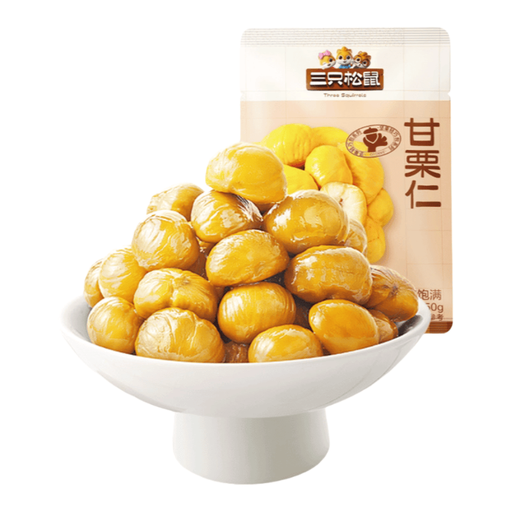
These Joybuy options include portable dates, prunes and preserved figs, plus a chestnut snack. Chestnuts are a different choice from the dried-fruit portions discussed above. For every option, check the product label against your fat and ingredient requirements.
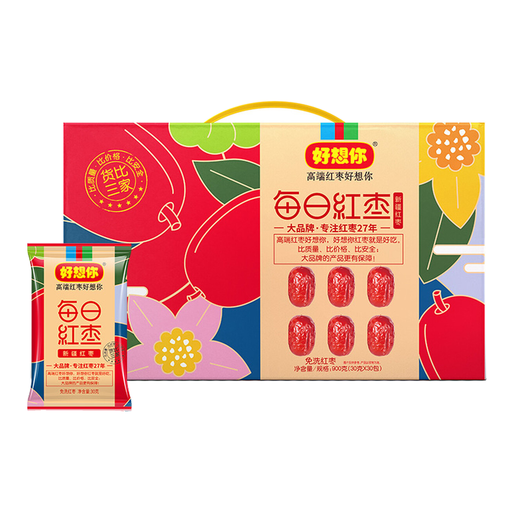 No image available
The 30 g sachets are a portable size that matches the NHS dried-fruit portion. Take care when eating the dates, as they contain pits.
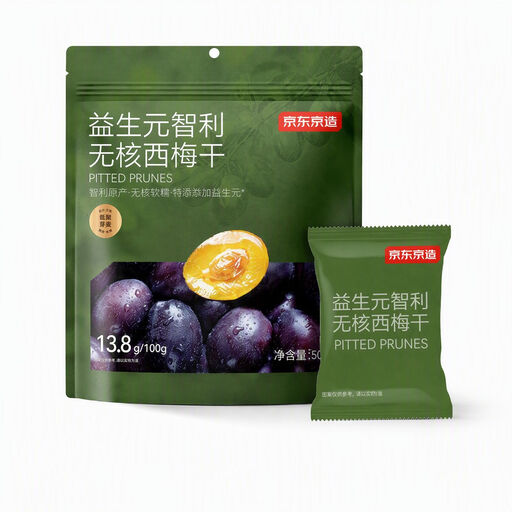 No image available
Individually wrapped prunes can be carried with breakfast, but check the weight of each wrapped portion if you want 30 g of dried fruit. The product notes identify added isomaltose, so check the ingredients if you want fruit alone.
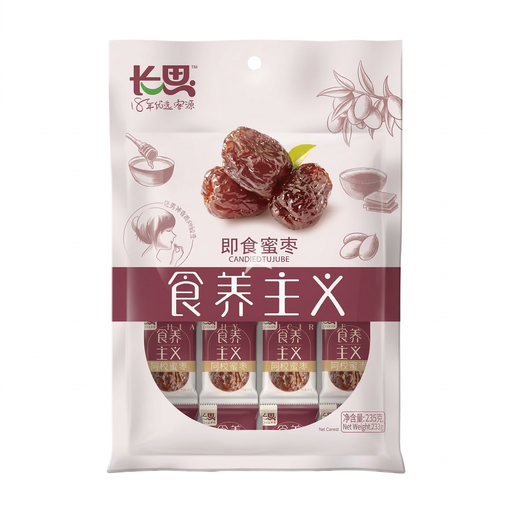 No image available
These individually wrapped dates offer a portable sweetened-fruit option rather than plain dried fruit. Sugar is listed as the first ingredient; check the weight of each piece if portion size matters, and take care as an occasional pit may remain.
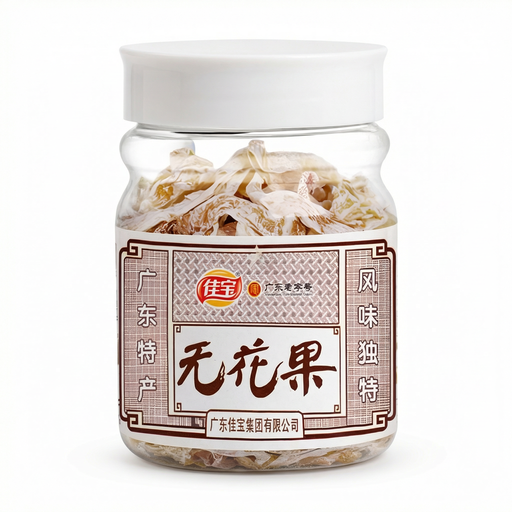 No image available
The 70 g pack can be taken with breakfast, but it is not a pre-portioned 30 g dried-fruit serving. This preserved product includes added sugar, salt, sweeteners, flavouring and preservatives; read the label if you prefer a shorter ingredient list.
 No image available
This 50 g chestnut pack is a portable breakfast snack, but chestnuts are not the dried-fruit choice represented by raisins, apricots or dates. Do not use the NHS 30 g dried-fruit portion as a portion claim for this product.
Compare the fat value per 100 g on each product, including fruit-and-nut mixes. The low-fat claim threshold for solid foods published on legislation.gov.uk is no more than 3 g fat per 100 g; a smaller pack does not change its per-100 g value.
Not if it contains less than 30 g of dried fruit: the NHS says 30 g counts as one 5 A Day portion. Sainsbury's Mini Snack Raisins contain 14 g per box, so check the individual box weight rather than the multipack total.
Eat it with a meal such as breakfast. The NHS advises having dried fruit at mealtimes rather than between meals to reduce tooth-decay risk.
Not when keeping fat low is the deciding factor: check each product's nutrition panel. Whitworths lists 23.6 g fat per 100 g for its 1DERS Energising Fruit and Nut Mix, which contains peanuts, while its 1DERS apricots list 0.05 g per 100 g.
Read the exact product's ingredient and allergen panel for sulphites, peanuts and added components such as juice-infused or sweetened fruit. Whitworths lists sulphur dioxide in its 1DERS apricots and peanuts in its fruit-and-nut mix; M&S lists juice-infused berries and sulphites in its Super Fruit Medley.