Budget bakers buying dried fruit regularly
If you use dried fruit in cakes, cereals or cooking, consider whether you need plain raisins or a mixed-fruit blend before choosing a larger pack. Their ingredients and uses are not necessarily the same.


You do not need a specialist ‘reduced-fat’ label to compare dried fruit: M&S lists 0.4g fat per 100g for its raisins and mixed dried fruit, whereas Whitworths lists 15.1g per 100g for its fruit-and-nut mix. For a budget shop, choose a pack size and fruit type you will use, then check fat, sugars, ingredients and allergens on the exact product.
If you use dried fruit in cakes, cereals or cooking, consider whether you need plain raisins or a mixed-fruit blend before choosing a larger pack. Their ingredients and uses are not necessarily the same.
Check the nutrition panel for the particular mix. Whitworths lists 0.9g fat per 100g for Sunny Raisins but 15.1g per 100g for Favourites Fruit & Nut Mix, which contains almonds and cashews.
Read the ingredients and allergen statement rather than relying on the dried-fruit category name. The ASDA Mixed Fruit listing declares sulphur dioxide or sulphites, while the Whitworths fruit-and-nut mix contains almonds and cashews.
Start with the fruit you need for the recipe or occasion. Then compare packs on the same per-100g basis and check what else is in the mix.
| Priority | What to check | Your needs |
|---|---|---|
| Fat content | Compare total fat per 100g on the nutrition panel. Check whether the pack contains only fruit or also nuts; the category name alone does not establish its fat content. | I want dried fruit with little fat, so I would compare the exact packs rather than assume a fruit-and-nut mix is equivalent to plain fruit. |
| Pack and fruit type | Compare pack weights for fruit you will use. Check whether a mixed-fruit pack suits your recipe or whether plain raisins, sultanas or another fruit would do the job. | For regular baking, I need enough of the right fruit; a bigger pack of a different mix may not suit the recipe. |
| Sugars and portions | Read sugars per 100g and the stated serving size. The NHS says 30g of dried fruit counts as one 5 A Day portion and advises having it at mealtimes rather than between meals. | Low fat does not answer my question about sugars, especially when I am adding dried fruit to a meal or packing a portion. |
| Ingredients and allergens | Read the full ingredients list and allergen statement on the exact pack. Check mixed products for ingredients such as candied peel, sulphites or nuts where these matter to you. | If I need to avoid an ingredient, I cannot judge the pack by its fruit name or appearance alone. |
Nuts can change the comparison: Whitworths lists 15.1g fat per 100g for Favourites Fruit & Nut Mix, compared with 0.9g per 100g for its Sunny Raisins.
Use the total-fat figure per 100g for the exact product, particularly when comparing plain fruit with a fruit-and-nut blend.
Fat and sugars are separate entries on the nutrition panel. The NHS identifies 30g of dried fruit as one 5 A Day portion and advises eating dried fruit at mealtimes.
Check sugars as well as fat, and use the serving size to judge how much dried fruit you are adding to a meal.
A plain-raisin pack and a mixed-fruit pack can serve different recipes, even when they weigh the same.
Decide which fruit or blend you need before comparing pack weights and nutrition panels.
The checked ASDA Mixed Fruit declares sulphur dioxide or sulphites, and Whitworths Favourites Fruit & Nut Mix contains almonds and cashews. Those details matter when an ingredient must be avoided.
Check the current pack’s ingredients and allergen statement before use.
These examples show why the particular product matters more than the name on the pack; they do not describe every item in each range.
The checked ASDA products include Mixed Fruit 500g and Figs 200g.
The checked product is Sainsbury's Mixed Dried Fruit 500g.
Tesco Seedless Raisins 500g appears in Tesco Groceries’ dried-fruit and nuts range.
The checked Whitworths products span raisins, mixed fruit and a fruit-and-nut blend.
The checked M&S products are 500g packs of raisins and mixed dried fruit.
These 500g options include prunes, raisins, sultanas, dried longan and red dates. Check the fruit and any preparation needs against your recipe before choosing a pack.
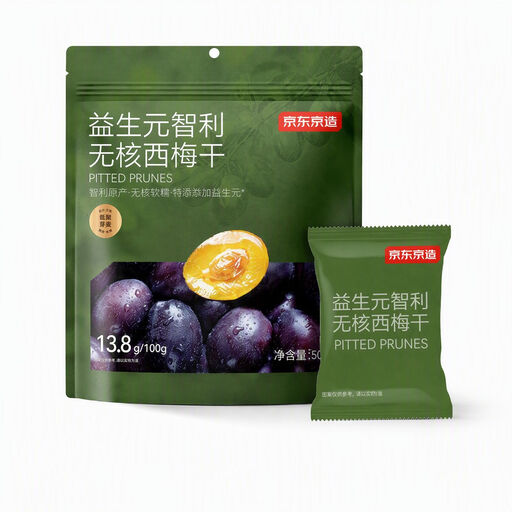 No image available
A 500g pack of pitted prunes. Check the ingredients for low-polymer isomaltose if you want a fruit-only product, and compare sugars per 100g on the pack.
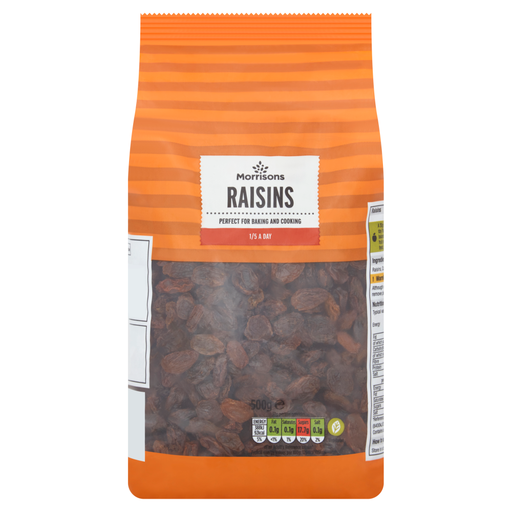 No image available
A 500g pack for recipes calling for raisins. The listed ingredients include cottonseed oil, so check the pack if you want fruit without added oil.
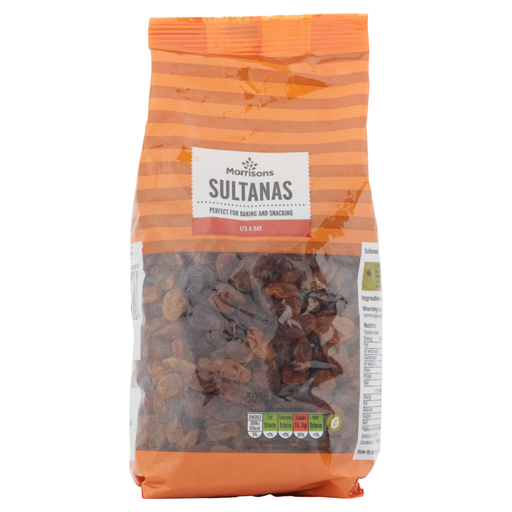 No image available
A 500g pack of sultanas for baking or cooking. The listed ingredients include cottonseed oil; check the exact pack if that affects your choice.
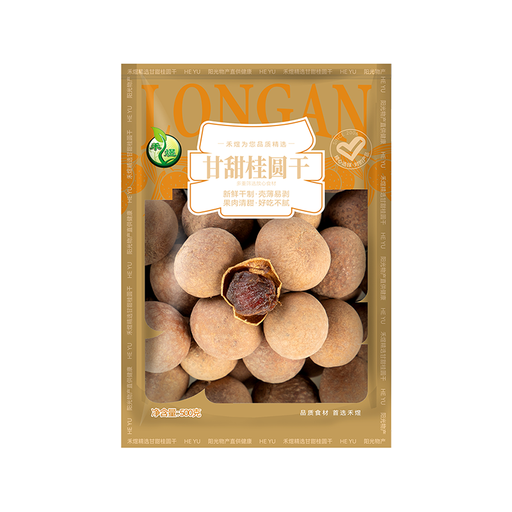 No image available
A 500g pack of dried longan. This product requires cooking before use, so follow the pack’s preparation instructions rather than treating it as ready-to-eat raisins.
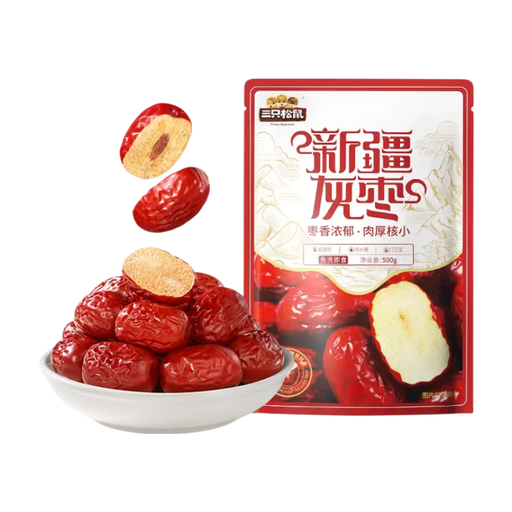 No image available
A 500g pack of red dates. These are whole dates with stones; remove the stones before using them in recipes that call for pitted fruit.
No: compare total fat per 100g on the exact product instead. M&S lists 0.4g per 100g for its raisins and mixed dried fruit, while Whitworths lists 15.1g per 100g for a fruit-and-nut mix. A dried-fruit category name does not make those products equivalent.
The NHS says 30g of dried fruit counts as one portion of 5 A Day. It advises eating dried fruit at mealtimes rather than between meals to reduce the risk of tooth decay.
No. Fat and sugars are separate nutrition checks: ASDA Groceries lists 0.7g fat and 66g sugars per 100g for its Mixed Fruit 500g. Read both figures for the pack you are considering.
Read the ingredients and allergen statement on the exact pack before use. ASDA Groceries declares sulphur dioxide or sulphites for its Mixed Fruit 500g, and Whitworths lists almonds and cashews in Favourites Fruit & Nut Mix.