For a portable, lower-fat dried-fruit option, start by comparing plain raisins or sultanas rather than relying on a “reduced fat” phrase. Tesco and Sainsbury’s plain-fruit listings declare 18.8g and 20.8g carbohydrate per 30g respectively, alongside 0.3g and less than 0.5g fat; a small pack is easier to carry, while a larger bag needs portioning. Check fruit-and-nut mixes and coated products separately, as the Whitworths examples declare considerably more fat per 100g.
Who is this for?
Cyclists comparing carbohydrate and fat
Plain raisins and sultanas give you labelled carbohydrate amounts to work into a ride plan. If keeping fat lower matters to your choice, compare their nutrition panels with those of nut mixes and coated fruit rather than treating every fruit snack alike.
Cyclists who plan portions before a ride
A larger bag can be divided into amounts you choose before setting off. Small raisin packs save that preparation, but their pack weight and carbohydrate amount may differ from a 30g serving.
Shoppers checking ingredients
Ingredients vary across plain fruit, mixed fruit, fruit-and-nut products and coated raisins. Read the exact pack if nuts, milk ingredients or other allergens affect what you can buy.
What should you check before buying?
Start with carbohydrate and fat on the nutrition panel, then check how much fruit you would actually carry and what else is in the pack.
| Priority |
What to check |
Your needs |
| Carbohydrate |
Read carbohydrate per serving and the serving weight. Tesco lists 18.8g per 30g for Seedless Raisins; Sainsbury’s lists 20.8g per 30g for its Sultanas. |
I want to know how much carbohydrate the amount I carry contributes to my ride plan. British Cycling advises eating carbohydrate little and often during a sportive. |
| Fat |
Compare fat on the same weight basis, preferably per 100g, and inspect coatings and added nuts. Whitworths lists 15.1g fat per 100g for Fruit & Nut Mix and 19.2g per 100g for Yoghurt Coated Raisins. |
Keeping fat lower matters to me, so I would check the exact product rather than assume that “fruit snack” means plain fruit. |
| Pack size |
Check the weight of one pack against the labelled carbohydrate amount. Sainsbury’s Mini Snack Raisins contain 9.7g carbohydrate in a 14g pack; its Sultanas listing gives 20.8g per 30g serving. |
I can portion a larger bag at home, or carry a small pack without preparation. Either way, I need to plan using the amount in the pack. |
| Ingredients |
Read the ingredient and allergen information on the current pack. Check whether fruit is plain, juice-infused, mixed with nuts or coated. |
I want to know what accompanies the fruit, particularly if an ingredient or allergen affects my choice. NHS advice also says to keep dried fruit to mealtimes rather than eat it as a between-meal snack to reduce tooth-decay risk. |
Buying mistakes to avoid
-
Assuming every fruit snack is lower in fat
The format makes a difference: Whitworths lists 15.1g fat per 100g for Fruit & Nut Mix and 19.2g per 100g for Yoghurt Coated Raisins. Those figures describe the named products, not all mixed or coated fruit.
Compare fat per 100g across products, then check the ingredients for nuts and coatings.
-
Counting packs instead of carbohydrate
A Sainsbury’s Mini Snack Raisins pack weighs 14g and contains 9.7g carbohydrate; the retailer’s 30g Sultanas serving contains 20.8g. One small pack is not the same quantity as a 30g serving.
Use the carbohydrate figure and weight on the pack to decide how much to carry for your own plan.
-
Overlooking eating occasion and ingredients
The NHS advises eating dried fruit at mealtimes rather than as a between-meal snack to reduce tooth-decay risk. Mixes and coated products can also introduce ingredients that matter to people with allergies.
Consider the NHS oral-health advice alongside your cycling plans, and read the current ingredient and allergen label before buying.
Relevant brand and retailer ranges
These examples show why it is worth comparing named products within a range, not making assumptions about a whole brand.
Whitworths
Its plain raisins, fruit-and-nut mix and coated raisins illustrate different ingredient and fat profiles.
- The Sainsbury’s listing for Whitworths Jumbo Flame Raisins declares 1g fat and 62.6g carbohydrate per 100g.
- Whitworths lists 15.1g fat per 100g for Fruit & Nut Mix and 19.2g per 100g for Yoghurt Coated Raisins. Check each product rather than applying the plain-raisin figures across the range.
Tesco
Its Seedless Raisins 1Kg pack is an option to consider if you portion fruit yourself.
- Tesco lists 18.8g carbohydrate and 0.3g fat per 30g, with raisins and sunflower oil as ingredients.
- A 1kg bag needs dividing into amounts you can carry on a ride.
Sainsbury’s
Its listed sultanas and mini raisin packs offer a choice between portioning a larger bag and carrying a ready-sized pack.
- Sainsbury’s lists 20.8g carbohydrate and less than 0.5g fat per 30g of Sultanas.
- Its Mini Snack Raisins contain 9.7g carbohydrate in each 14g pack, so check the amount against what you intend to carry.
M&S
Its listed plain raisins and mixed-fruit product provide two different ingredient profiles to compare.
- M&S lists 0.4g fat and 69.3g carbohydrate per 100g for Raisins, with raisins and sunflower oil as ingredients.
- Its Super Fruit Medley includes apple-juice-infused cranberries and blueberries and lists 1.2g fat per 100g; read its own label rather than using the plain-raisin figures.
Joybuy dried-fruit options
These options include sultanas to portion yourself, small raisin packs to carry and figs for a different fruit choice. Check each product’s nutrition and ingredient label against your cycling plans.
 No image available
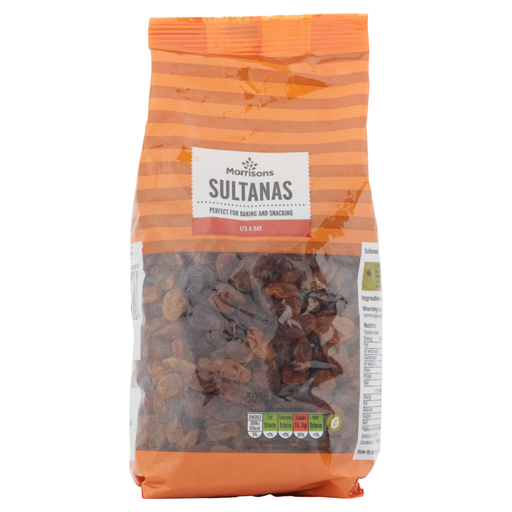
Morrisons Sultanas 500g
The 500g pack gives you sultanas to divide into amounts for a ride before setting off. Check the pack’s carbohydrate and fat figures for the portion you choose.
View on Joybuy
 No image available
Organix Goodies Raisins 12+ Months, 12 x 14g
The 14g boxes offer a small amount to carry without portioning a larger bag. Check carbohydrate per box when deciding how many boxes fit your plan; one box weighs less than a 30g dried-fruit portion.
View on Joybuy
 No image available
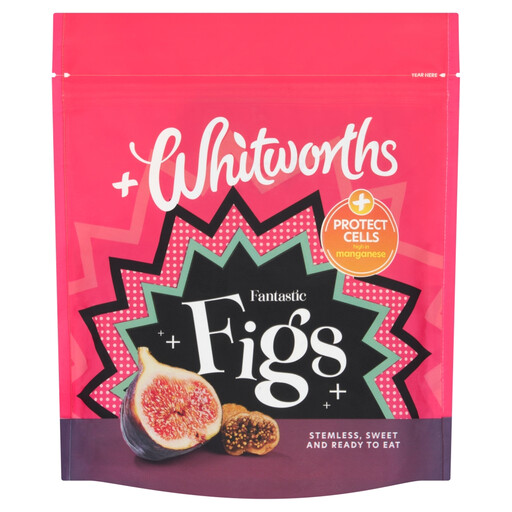
Whitworths Figs 175g
If you prefer figs to raisins or sultanas, the 175g pack can be divided before a ride. Read its own carbohydrate, fat, ingredient and allergen information rather than using figures from another fruit product.
View on Joybuy
Common questions
Do I need dried fruit labelled “reduced fat” for cycling?
Not necessarily: compare the nutrition panel of the exact product instead. Tesco Seedless Raisins list 0.3g fat per 30g and Sainsbury’s Sultanas list less than 0.5g per 30g, while fruit-and-nut mixes and coated raisins need their own checks.
How much carbohydrate is in a 30g serving of raisins or sultanas?
The named UK listings differ: Tesco Seedless Raisins provide 18.8g carbohydrate per 30g, and Sainsbury’s Sultanas provide 20.8g per 30g. Check your chosen product and the amount you will actually carry rather than treating either figure as a target for every ride.
Is a fruit-and-nut mix comparable to plain raisins when keeping fat lower?
Not on the fat figures for these named products: Whitworths Fruit & Nut Mix lists 15.1g per 100g, whereas M&S Raisins list 0.4g per 100g. The Whitworths mix contains almonds and cashews, so check its ingredient and allergen label too.
What oral-health advice applies to dried fruit?
The NHS advises eating dried fruit at mealtimes rather than as a between-meal snack to reduce tooth-decay risk. If you plan to eat it repeatedly during a ride, take that advice into account rather than treating portability as the only consideration.


