For a general low-fat diet, start with the actual fat figure on a dried-fruit pack rather than looking for a “reduced fat” claim: the NHS defines low-fat food as having no more than 3g fat per 100g. Leeds Teaching Hospitals notes that “reduced fat” compares a product with another food and does not necessarily mean it is low in fat. Check sugars, ingredients and your intended portion too; if you follow a prescribed very-low-fat diet, use the allowance set by your healthcare team.
Who is this for?
General low-fat diet shoppers
If you want dried fruit for meals or baking, compare total fat per 100g across packs. Then look at the portion you expect to use, sugars and any added ingredients; a plain fruit and a fruit-and-nut mix need separate checks.
People following a prescribed very-low-fat diet
A front-of-pack claim cannot tell you whether a portion fits your individual allowance. Check the exact product and portion against the plan provided by your clinician or registered dietitian.
Shoppers buying for lunchboxes or baking
Check whether the pack contains plain fruit, sweetened or candied fruit, a coating, or nuts. Ingredients and allergen information matter alongside the fat figure, particularly when choosing a mix.
What should you check?
Compare like-for-like figures per 100g first, then check what your actual portion and the ingredient list mean for the way you plan to use the fruit.
| Priority |
What to check |
Your needs |
| Total fat |
Read total fat per 100g and per intended portion. The NHS low-fat threshold for food is 3g or less per 100g; Leeds Teaching Hospitals cautions that a “reduced fat” claim is comparative, not a guarantee of low fat. |
I want the amount of fruit I will eat to fit my low-fat plan, especially if I have a prescribed daily allowance. |
| Sugars and portion |
Check sugars per 100g and per portion, including on sweetened mixes. The NHS says 30g of dried fruit counts as one 5 A Day portion; pack portions may differ. |
A small pack is convenient, but I still want to know how much fruit it contains and how it fits into a meal. |
| Ingredients and allergens |
Read the full ingredient and allergen information for nuts, coatings and sweetened fruit. The Food Standards Agency notes that sulphur dioxide or sulphites are often used in dried fruit. |
If I am avoiding an ingredient or have a food sensitivity, I need to check this specific pack rather than assume all dried fruit is alike. |
| When you will eat it |
Consider a format you can portion into a meal. The NHS advises eating dried fruit at mealtimes rather than between meals to reduce the risk of tooth decay. |
I would rather add a measured amount to breakfast or lunch than graze from a large bag throughout the day. |
Common buying mistakes
-
Assuming “reduced fat” means low fat
Leeds Teaching Hospitals explains that “reduced fat” means at least 30% less fat than a comparable food; the resulting product may still be high in fat. That distinction is particularly important with a prescribed very-low-fat allowance.
Use the total-fat figure per 100g and the amount in your portion, not the claim alone, when checking whether a product fits your plan.
-
Treating a fruit-and-nut or sweetened mix like plain fruit
Ingredients differ between products. Marks & Spencer lists sweetened fruit and candied peel in its Mixed Fruit with Cranberries and Apricots, while Whitworths lists nuts in its Favourites Fruit & Nut Mix.
Compare the mix’s own fat and sugars figures and read its ingredient and allergen information before choosing it in place of plain dried fruit.
-
Ignoring portions because a product is low in fat
A low fat figure does not describe the sugars in the portion you eat. Tesco Groceries lists 62.6g sugars per 100g for Tesco Seedless Raisins, while the NHS identifies 30g of dried fruit as one 5 A Day portion.
Measure the amount you intend to eat and check the corresponding nutrition figures; the NHS advises having dried fruit with meals.
-
Overlooking allergens in dried fruit and mixes
The Food Standards Agency notes that sulphur dioxide or sulphites are often used in dried fruit. Nut-containing mixes present a separate ingredient consideration.
Read the current pack’s ingredients, allergen information and precautionary statements, particularly if you have a relevant food sensitivity.
Brand and retailer references
These examples show why it is worth checking a specific pack rather than judging its nutrition from a brand name or the words “dried fruit”.
Tesco
Tesco Seedless Raisins provide a labelled example of dried fruit for comparing portions and per-100g values.
- Tesco Groceries lists 1.0g fat per 100g and 0.3g per 30g for this product.
- The same listing gives 62.6g sugars per 100g. Check the current pack if using these figures to plan a portion.
Whitworths
Whitworths sells both raisins and fruit-and-nut combinations, so its formats call for different label checks.
- Whitworths lists raisins (99%) and sunflower oil as the ingredients in Sunny Raisins.
- Its Favourites Fruit & Nut Mix contains nuts; do not apply the raisin product’s ingredients to a mix.
M&S
The M&S fruit-snack range includes products with ingredients beyond plain dried fruit.
- Marks & Spencer lists 2.6g fat per 100g for Mixed Fruit with Cranberries and Apricots, within the NHS low-fat threshold for food.
- That product also lists 66.0g sugars per 100g and includes sweetened fruit and candied peel; check its own label rather than treating it as plain raisins.
Sunsweet
Sunsweet focuses on prunes, a dried-fruit option for shoppers who want dried plums rather than a mixed snack.
- Its UK range and recipes centre on prunes.
- For a particular pack, use its own nutrition, ingredient and allergen information to decide whether your intended portion fits your needs.
Dried-fruit options on Joybuy
These figs, prunes and wolfberries are options to compare for a low-fat dried-fruit purchase. Check each pack’s fat, sugars, ingredients and intended portion; the products are not interchangeable simply because they are dried fruit.
 No image available
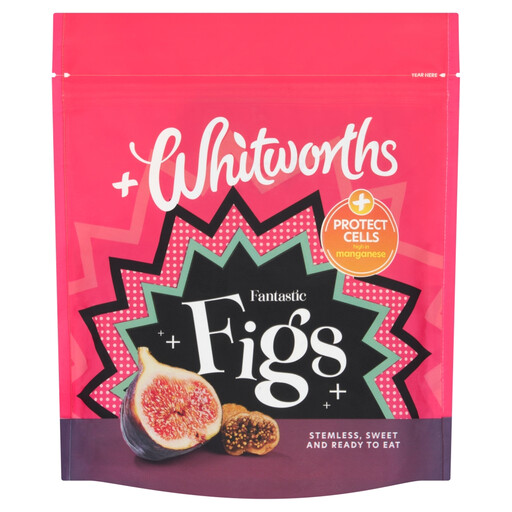
Whitworths Figs 175g
A fig option for adding a measured amount of dried fruit to a meal. Compare the pack’s fat and sugars per 100g and per portion, and check its nut and peanut precautionary wording if relevant.
View on Joybuy
 No image available
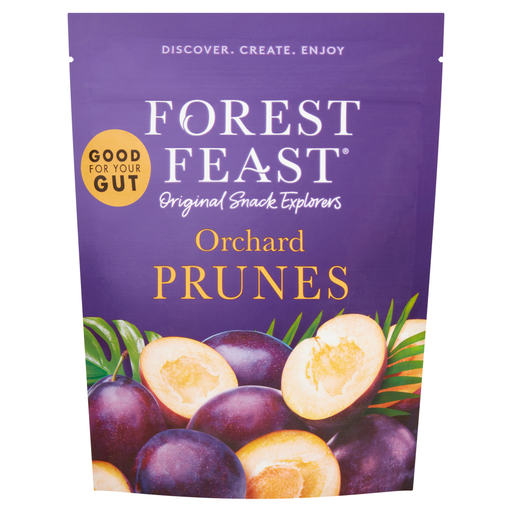
Forest Feast Orchard Prunes 200g
Choose these if you want to compare a prune pack with other dried-fruit formats. Check the current nutrition and allergen information, and take care with any remaining stone pieces when eating pitted fruit.
View on Joybuy
 No image available
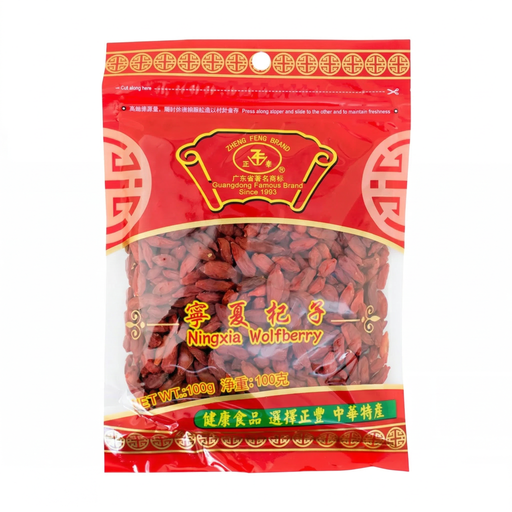
Zheng Feng NingXia Wolfberry 100g
Wolfberries offer a different dried-fruit ingredient for a meal or recipe. Compare the pack’s nutrition with the portion you intend to use, and follow its washing and cooking instructions before eating.
View on Joybuy
 No image available
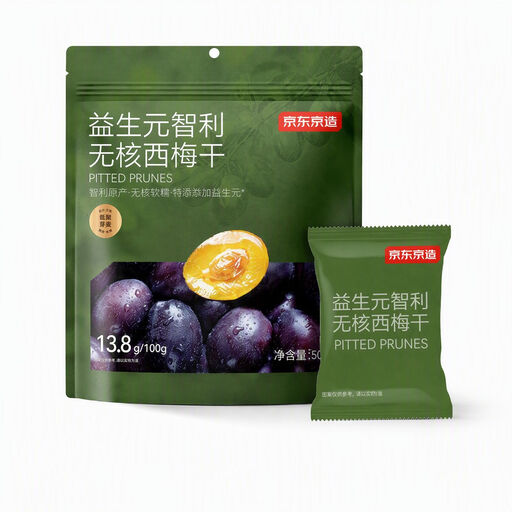
J.ZAO Pitted Chilean Prunes 500g, individually wrapped
Individual wrapping may make it easier to set aside a portion for a meal, but check the amount in each wrap. Read the pack’s sugars figure rather than relying on the listing’s “sugar-free” wording, and check the ingredients if you want plain prunes.
View on Joybuy
 No image available
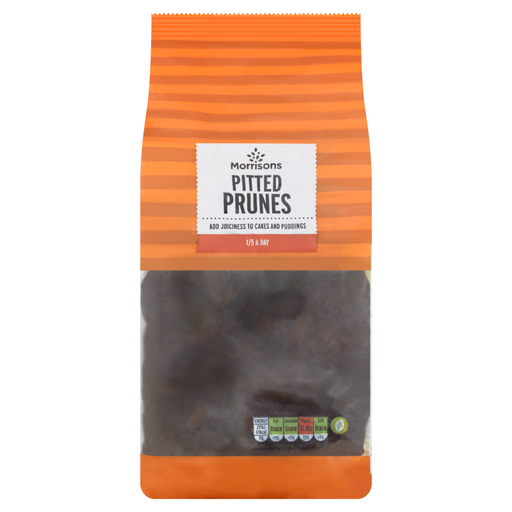
Morrisons Dried Pitted Prunes 500g
The 500g pack allows you to measure prunes for meals or baking rather than use the bag as a single portion. Check fat and sugars for the amount you serve, and take care with any remaining stone pieces.
View on Joybuy
Frequently asked questions
Do I need dried fruit labelled “reduced fat” for a low-fat diet?
No: compare the product’s actual total fat per 100g and in your intended portion. The NHS defines low-fat food as having 3g fat or less per 100g, while Leeds Teaching Hospitals explains that “reduced fat” means at least 30% less fat than a comparable food and does not necessarily mean low fat.
How much dried fruit counts as one 5 A Day portion?
The NHS says 30g of dried fruit counts as one 5 A Day portion. Check the weight of a snack pack or measure fruit from a larger bag if you want to use that portion as your reference.
Is dried fruit better kept for mealtimes?
The NHS advises eating dried fruit at mealtimes rather than between meals to reduce the risk of tooth decay. A portion added to breakfast or lunch is one way to follow that advice.
What should I check if sulphites or nuts are a concern?
Read the ingredients and allergen information on the specific pack. The Food Standards Agency notes that sulphur dioxide or sulphites are often used in dried fruit, while some fruit mixes contain nuts; a plain-fruit label cannot stand in for the label on a different product.
Can dried fruit fit a medically prescribed minimal-fat diet?
Its suitability depends on the exact product, portion and allowance in your clinical plan. Oxford University Hospitals describes a diet of no more than 20g fat a day for people advised to follow that specific plan; use your healthcare team’s guidance rather than assuming a “reduced fat” claim makes a product suitable.


