Hosts serving children and families
Individual packs make portions easier to hand out than an open bowl. The NHS says 30g of dried fruit counts as one 5 A Day portion and advises serving dried fruit at mealtimes rather than as a between-meal snack.


For a street party, choose individually packed raisins for hand-outs, prunes for a fruit bowl, or mixed vine fruit if you also plan to bake. Compare fat and total sugars per 100g, then check ingredients, pack size and any allergen or fruit-stone warnings; a “reduced fat” description alone does not tell you how the fruit will work for serving.
Individual packs make portions easier to hand out than an open bowl. The NHS says 30g of dried fruit counts as one 5 A Day portion and advises serving dried fruit at mealtimes rather than as a between-meal snack.
A larger bag of mixed vine fruit can go into cakes or scones as well as a communal bowl. Prunes offer a different texture; for either format, check the pack’s ingredients, serving instructions and total sugars.
Read the fat value per 100g on the exact pack rather than relying on “reduced fat” wording. That lets you compare different fruits and pack formats on the same stated quantity.
Choose a serving format first, then compare the nutrition panel and the practical details on the pack you intend to put out.
| Priority | What to check | Your needs |
|---|---|---|
| Fat content | Compare fat per 100g on the nutrition panels. Read any “reduced fat” wording alongside the product’s stated comparison. | I want to compare the fruit itself, rather than assume a claim on the front of a pack settles the choice. |
| Portions and timing | Check the weight of an individual pack or plan portions from a larger bag. The NHS counts 30g dried fruit as one 5 A Day portion and advises eating it at mealtimes. | For hand-outs, separate packs would be easier to manage; for a shared bowl, I can provide a serving spoon. |
| Ingredients and sugars | Read the ingredients and total sugars per 100g. The NHS notes that the total-sugars figure includes sugars naturally present in fruit, so use the ingredients list to check for added sweeteners. | I want to know what is in the fruit and whether a low fat figure is being mistaken for a low total-sugars figure. |
| Guest safety | Check each pack’s allergen declaration and warnings about stones or stalks. The Food Standards Agency identifies sulphites as an ingredient used in some dried fruit. | If a guest has a relevant sensitivity, I need the original label available; I will also check stone warnings before serving children. |
| Storage after opening | Check whether an opened pack needs resealing, refrigeration or use within a stated period. Match the bag size to the amount you plan to serve or bake with. | A large bag works for my recipes or a busy table only if I can store any leftovers as the pack directs. |
“Reduced” describes a comparison; it does not, by itself, show the fat content of the dried fruit in your hand.
Compare the stated fat per 100g, then decide whether the pack format suits hand-outs, a bowl or baking.
These are separate lines on the nutrition panel. For example, the Marks & Spencer Mixed Dried Fruit listing states 0.4g fat and 68.8g total sugars per 100g.
Read both figures and the ingredients. The NHS advises having dried fruit at mealtimes rather than leaving it as a between-meal snack.
Allergen and fruit-stone information can matter when several people share food. The Food Standards Agency notes that sulphites are used in some dried fruit and can pose a risk to people with sensitivity.
Keep the original packaging available, check each product’s warnings and take care when serving fruit that may contain stones to children.
Storage directions differ between products; the Ocado listing for M&S Soft Prunes says to reseal the pack and eat its contents within seven days of opening.
Check the chosen pack’s directions before putting out a large bowl, and keep unopened fruit separate until it is needed.
An opened pack that cannot be stored or used as directed may leave you with avoidable food waste.
These examples show how product formats differ; compare the label of the particular pack you choose.
Sunny Raisins offer an example of individually portioned fruit for hand-outs.
Its listed mixed vine fruit and soft prunes illustrate two different choices for bowls or recipes.
Its dried-fruit range provides a way to compare pack formats, including larger bags of raisins and sultanas.
Its listed pitted prunes provide an example to consider for a served bowl or recipe.
These options include small raisin packs for hand-outs and prunes in wrapped or larger formats for different ways of serving a street-party spread.
 No image available
The 12 separate 14g boxes suit hand-outs where you want a stated amount in each pack. Check the packaging for allergen information before serving guests with sensitivities.
 No image available
The product is described as individually wrapped, offering another hand-out format in a 500g pack. Check the ingredients and any fruit-stone warning on the packaging before serving.
 No image available
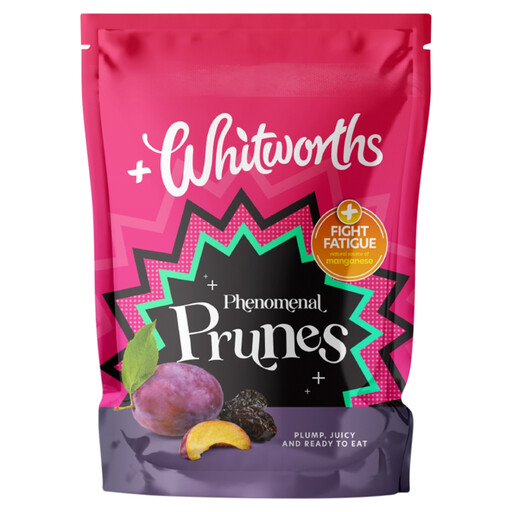
This 190g pack is an option for a served fruit bowl rather than individual hand-outs. Provide a serving spoon and check the packaging for fruit-stone advice.
No image available
The 500g bag can be portioned into a bowl or used in a recipe. Its product information warns that stone fragments may remain, so check the pack and take care when serving children.
 No image available
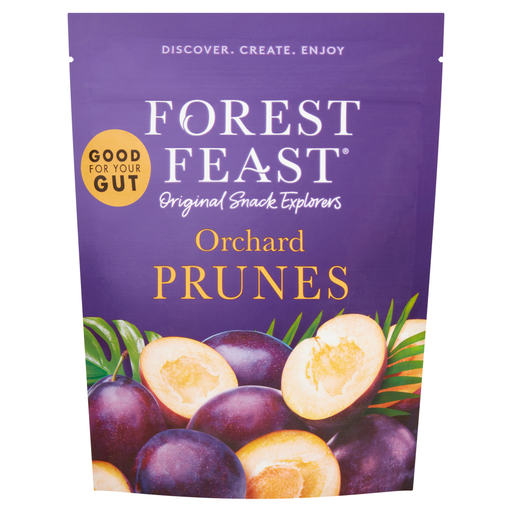
The 200g pack is a smaller option for a served bowl or recipe. Its product details call for refrigeration and use within one week after opening; check the packaging for fruit-stone advice.
No. “Reduced fat” calls for a comparison, while the nutrition panel tells you the fat content of the particular product. Compare fat per 100g and choose the pack format that suits how you will serve it.
The NHS states that 30g of dried fruit counts as one 5 A Day portion. Check individual pack weights rather than assuming every snack pack contains 30g.
The NHS advises eating dried fruit at mealtimes rather than as a between-meal snack to reduce tooth-decay risk. At a street party, plan to serve it with the main food or dessert instead of setting it out as an all-day snack.
No. The NHS explains that the total-sugars figure includes sugars naturally present in fruit. Read the ingredients list as well if you want to distinguish dried fruit from a product with added sweeteners.
Check every pack’s allergen declaration and any fruit-stone or stalk warning. The Food Standards Agency notes that sulphites are used in some dried fruit and can pose a risk to people with sensitivity, so keep the original packaging available for guests to consult.