Vegans comparing dried-fruit snacks
Compare fat on the per-100g panel and check vegan suitability on the exact pack. An ingredient list also helps distinguish plain fruit from products containing oil or other additions.


For vegan shopping, look for a vegan-suitability statement and compare dried fruit by its declared fat per 100g; a low fat figure alone does not establish that a product is reduced in fat compared with another version. Department of Health and Social Care guidance gives 3g fat per 100g as the Great Britain low-fat benchmark for solid foods. Check sugars, ingredients, sulphites and any relevant allergen warnings before choosing a pack.
Compare fat on the per-100g panel and check vegan suitability on the exact pack. An ingredient list also helps distinguish plain fruit from products containing oil or other additions.
A mixed-fruit pack may suit baking, but check its vegan statement and whether ingredients such as candied peel or sulphites fit what you plan to make.
Vegan suitability and allergen safety are separate checks. GOV.UK guidance says vegan labelling does not guarantee that animal-origin allergens are absent through cross-contamination.
Start with vegan suitability and any relevant allergen warnings, then compare fat, ingredients and the amount you expect to use. In a Food Standards Agency-commissioned Ipsos UK online survey in December 2023, people with food hypersensitivities and people shopping for them were asked about awareness of cross-contamination; the results do not describe all vegan shoppers.
| Priority | What to check | Your needs |
|---|---|---|
| Vegan and allergen labelling | Read the exact pack’s vegan statement, ingredients and any precautionary allergen wording. A vegan label does not guarantee freedom from cross-contamination, according to GOV.UK. | I need to check a particular animal-origin allergen, not just whether the food is vegan. Before the Ipsos UK survey, 53% of respondents with a relevant food hypersensitivity and 50% of those shopping for someone with one knew that a vegan product might still be unsuitable because of cross-contamination. |
| Declared fat | Compare fat per 100g, not per pack. Department of Health and Social Care guidance gives 3g per 100g as the Great Britain low-fat benchmark for solid foods; it does not establish a reduction against another product. | I’m comparing lower-fat choices and want figures measured on the same basis. |
| Sugars and ingredients | Read sugars per 100g alongside the ingredient list. Check for additions such as sunflower oil, candied peel, glucose syrup or sugar, and for sulphites where relevant. | Plain fruit, a flavoured snack and a baking mix would serve different purposes in my kitchen. |
| Pack and portion | Check the pack weight against the amount you intend to eat or bake with. The NHS states that 30g of dried fruit counts as one 5 A Day portion and advises eating it at mealtimes rather than between meals to reduce tooth-decay risk. | A small snack box may be convenient, while a larger pack may better match a baking recipe. |
GOV.UK says vegan labelling means animal-origin ingredients were not intentionally used; it does not guarantee their absence through cross-contamination.
If milk, egg, fish, crustaceans or molluscs are relevant to you, read the exact pack’s allergen declaration and any precautionary wording rather than relying on the vegan statement.
The BEAR, Whitworths and Tesco product information declares differing sugar figures and ingredients, including sunflower oil in the raisins and candied peel in the mixed fruit. Their fat figures do not answer those separate questions.
Compare both fat and sugars per 100g, then use the ingredient list to choose between a simpler fruit snack and a mix intended for baking.
The NHS uses 30g of dried fruit for one 5 A Day portion. A 14g box of Whitworths Sunny Raisins is smaller than that amount.
Check the box weight rather than judging by its appearance. The NHS also advises having dried fruit at mealtimes instead of between meals to reduce tooth-decay risk.
These details concern the named products, not every dried-fruit product made by each brand.
Sainsbury’s lists BEAR Fruit Dried Mango & Passionfruit 85g as vegan-friendly.
Whitworths labels Sunny Raisins suitable for vegans.
Tesco labels its Dried Mixed Fruit 1Kg suitable for vegans; the pack format is relevant to baking and cooking.
These Joybuy options cover small dried-fruit snack packs and larger packs of dates or prunes. For each one, use the current pack label to check vegan suitability, fat per 100g, ingredients and allergen information before deciding.
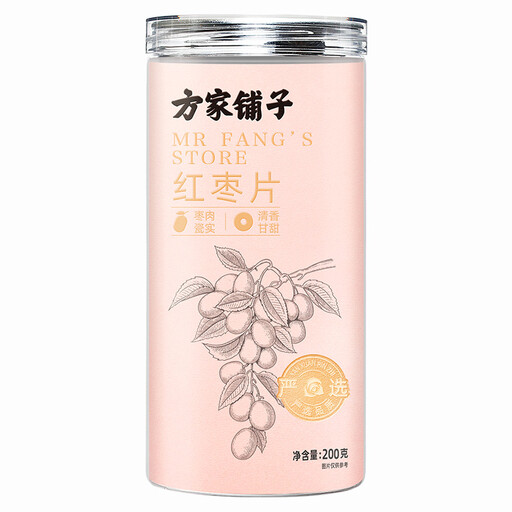 No image available
A 200g pack of sliced dried red dates may suit snacking or cooking. Check the current ingredients, vegan suitability and per-100g nutrition panel.
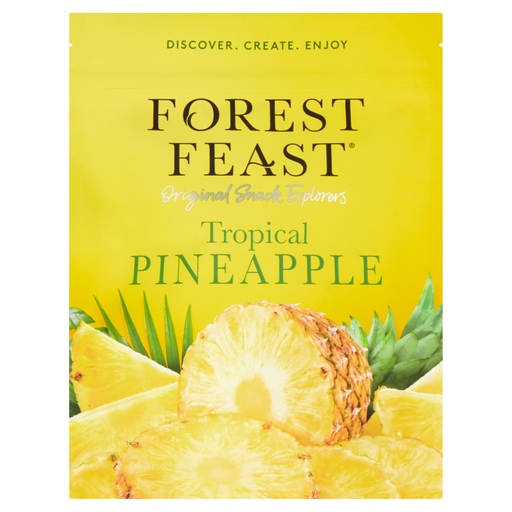 No image available
This 120g pineapple pack is an option for a fruit snack. Check its vegan statement, sulphite and other allergen wording, and fat and sugars per 100g on the current pack.
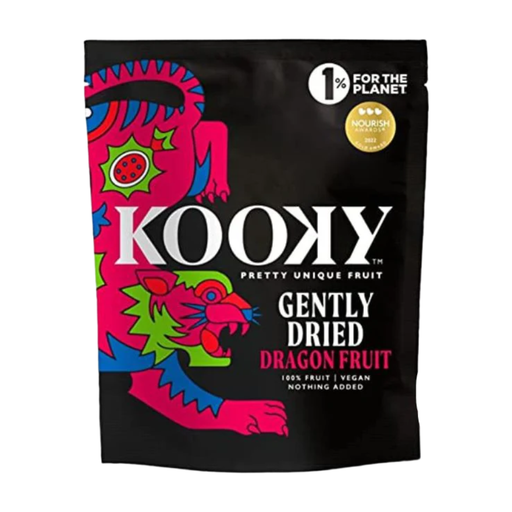 No image available
The 20g pack is sized for an individual snack rather than a large baking batch. Check the current vegan and allergen wording and compare its per-100g nutrition panel.
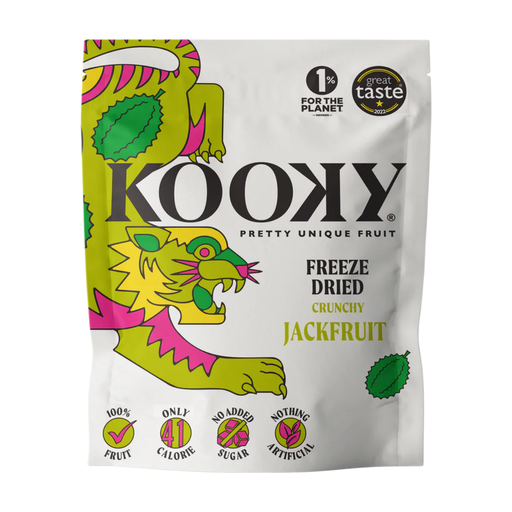 No image available
This 12g freeze-dried jackfruit pack is a small snack format. If you need fruit for cooking, check the quantity required; also read the current vegan, allergen and nutrition information.
 No image available
This 500g pack of individually wrapped prunes offers a different format from the smaller fruit packs. Read the current ingredient list, vegan suitability and per-100g panel rather than relying on claims in the product name.
No. GOV.UK guidance says a vegan label indicates that animal-origin ingredients were not intentionally used, but does not guarantee their absence through cross-contamination. Check the exact product’s allergen declaration and precautionary wording for the allergen that matters to you.
Department of Health and Social Care guidance gives no more than 3g fat per 100g as the Great Britain low-fat benchmark for solid foods. Compare products on that per-100g basis. The benchmark alone does not show that a product has reduced fat compared with another version.
The NHS states that 30g of dried fruit counts as one portion. It advises eating dried fruit at mealtimes rather than between meals to reduce tooth-decay risk, so check the weight of a snack box rather than assuming it contains one portion.
Fat and sugars are separate entries on the nutrition panel. The Sainsbury’s BEAR listing declares 48g sugars per 100g, Whitworths declares 66.5g for Sunny Raisins, and Tesco declares 57g for its Dried Mixed Fruit. Check the ingredients too if you want to distinguish plain fruit from a product containing oil or candied peel.