Gym-goers seeking a low-fat carbohydrate food
Plain raisins or prunes can be convenient after training. If the exercise was intense or prolonged, include protein and fluids too, in line with UK Sports Institute recovery guidance.


Plain dried fruit can provide a low-fat carbohydrate component after the gym, but it should not be treated as a complete recovery snack after intense or prolonged exercise. The UK Sports Institute advises having carbohydrate, protein and fluids after that kind of activity, so choose a portion of fruit that suits you and include a protein-containing food or meal. Check fruit-and-nut mixes separately: their fat content can differ substantially from plain dried fruit.
Plain raisins or prunes can be convenient after training. If the exercise was intense or prolonged, include protein and fluids too, in line with UK Sports Institute recovery guidance.
A small pack of raisins is easy to portion for a gym bag or commute. Plan what you will eat alongside it if you need a carbohydrate-and-protein recovery snack.
Compare plain fruit with mixes containing nuts, candied peel or sweetened fruit, and read each pack’s allergen information. The Food Standards Agency notes that sulphites are used in some dried fruits and that people with asthma have a higher risk of reacting to them.
Start with the portion you intend to eat, then compare fat, protein and ingredients on that basis. After intense or prolonged exercise, the UK Sports Institute’s guidance also calls for carbohydrate, protein and fluids.
| Priority | What to check | Your needs |
|---|---|---|
| Fat and protein | Compare both figures per intended serving, not just per 100g. Sainsbury’s lists less than 0.5g fat and less than 0.5g protein per 14g pack of Mini Snack Raisins; its listing for Whitworths 1Ders fruit-and-nut mix gives 7.1g fat and 4.1g protein per 30g. | I want to keep fat low, but I can add a protein-containing food or meal if I have trained intensely or for a long time. |
| Ingredients and sugars | Read the ingredient list for candied peel, syrup or sweetened fruit, and compare sugars per portion. Sainsbury’s Mixed Dried Fruit lists 22.2g sugars per 30g and contains candied peel made with glucose-fructose syrup and sugar. | If I want a simpler fruit snack, I would choose by the ingredients list rather than assuming every mixed pack contains only dried fruit. |
| Portion and timing | Check the pack size or measure a serving. The NHS uses 30g of dried fruit as one 5 A Day portion and advises eating dried fruit at mealtimes rather than between meals to reduce tooth-decay risk. | A small pack helps me plan what to take after training; I also want to avoid grazing on dried fruit throughout the day. |
| Allergens and additives | Check each current pack for nuts, sesame and sulphites where relevant. The Food Standards Agency says sulphites are used in some dried fruits; Tesco Ready To Eat Prunes list potassium sorbate. | I need an ingredient and allergen list that fits my requirements, particularly if I am considering a fruit-and-nut mix. |
Plain dried fruit supplies carbohydrate, while Sainsbury’s Mini Snack Raisins contain less than 0.5g protein per 14g pack. The UK Sports Institute advises a carbohydrate-and-protein-rich snack with fluids after intense or prolonged exercise.
Use dried fruit as one part of that snack, alongside a protein-containing food, or include it in a subsequent meal.
Nuts change the figures: Sainsbury’s listing for Whitworths 1Ders Energising Fruit & Nut Mix gives 7.1g fat per 30g pack.
Compare fat per pack or intended serving before choosing a mix for a low-fat preference.
Sainsbury’s Mixed Dried Fruit contains candied peel made with glucose-fructose syrup and sugar; the retailer lists 22.2g sugars per 30g.
Read the ingredients as well as the nutrition panel if you want to distinguish plain fruit from sweetened or candied mixes.
The NHS advises eating dried fruit at mealtimes rather than as a between-meal snack to reduce tooth-decay risk. Sulphites in some dried fruits also matter to people who react to them; the Food Standards Agency notes a higher reaction risk for people with asthma.
Plan a portion with a meal where possible, and check the pack’s ingredients and allergen warnings before buying.
These retailer and brand products illustrate different label checks; the figures apply to the named products and serving sizes, not to every product from each brand.
Tesco Ready To Eat Prunes provide a prune example for comparing a measured portion.
Its Mini Snack Raisins and Mixed Dried Fruit show why pack size and ingredients both matter.
The 1Ders Energising Fruit & Nut Mix is a different proposition from plain dried fruit.
M&S Mixed Dried Fruit offers another label example for a fruit mix.
These options include raisins, peach, prunes and figs for considering a portable post-gym fruit portion. Check each product’s current nutrition and ingredient label against your low-fat preference, and plan protein separately if needed after intense or prolonged exercise.
 No image available
The 14g boxes offer a defined raisin portion to pack for after the gym. Check the nutrition label if you are comparing fat and protein per box.
 No image available
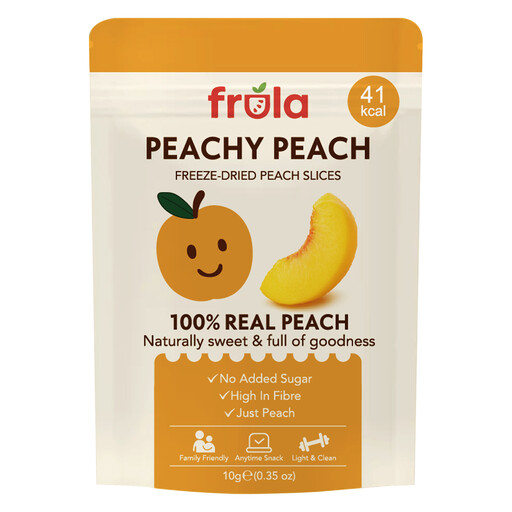
This 10g freeze-dried peach pack is an option when a small, defined fruit portion is convenient. Compare its nutrition per pack with other dried-fruit formats before choosing.
 No image available
These pitted prunes come in a 500g pack, so decide on a serving to take after training. If a fruit-only ingredient list matters to you, check the pack before choosing.
 No image available
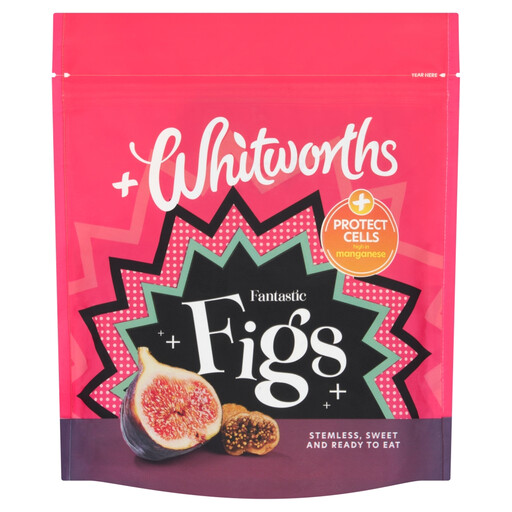
These dried figs offer a fruit option to portion from a 175g pack. Check the current nut warnings if they are relevant to you, as well as the nutrition per serving.
 No image available
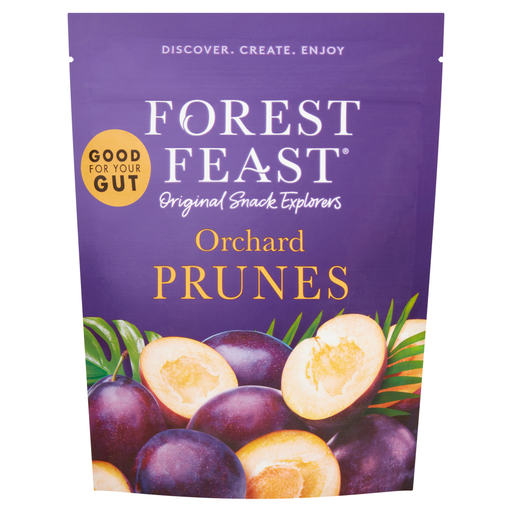
This 200g prune pack lets you measure a portion for a meal after training. Compare its fat and protein per intended serving, and check the ingredients if preservatives matter to you.
Plain dried fruit can be the carbohydrate part of a low-fat snack. After intense or prolonged exercise, the UK Sports Institute advises a carbohydrate-and-protein-rich snack with fluids, so include a protein-containing food or follow it with a meal rather than relying on fruit alone.
No: compare the nutrition per serving before choosing. Sainsbury’s lists 7.1g fat and 4.1g protein per 30g pack of Whitworths 1Ders Energising Fruit & Nut Mix, while its 14g Mini Snack Raisins pack lists less than 0.5g fat and less than 0.5g protein. The portions differ, so neither figure describes all mixes or all plain fruit.
The NHS uses 30g of dried fruit as one 5 A Day portion, equivalent to around 80g of fresh fruit. Use the pack size and nutrition label to work out the serving you intend to eat; that 5 A Day measure is not a target for post-exercise recovery.
After intense or prolonged exercise, the UK Sports Institute’s general guidance is to have a carbohydrate-and-protein-rich snack and fluids as soon as possible, followed by a full meal within two hours. The NHS separately advises eating dried fruit at mealtimes rather than between meals to reduce tooth-decay risk, so consider including it with your recovery meal instead of grazing on it.
Read the label of the particular pack for sweetened ingredients, nuts, sesame, sulphites and other ingredients relevant to you. The Food Standards Agency says sulphites are used in some dried fruits, including raisins, dried apricots and prunes, and notes a higher risk of reaction for people with asthma.