For creamy winter dishes, start with plain fromage frais and check that it has no more than 3g total fat per 100g, the NHS low-fat guideline for food. Flavoured pots suit a ready-to-eat snack, but check their fat and sugars separately; yoghurt is another snack option when the recipe does not specifically call for fromage frais.
Who is choosing fromage frais?
Home cooks making creamy winter dishes
A plain pot gives you an unflavoured starting point for sauces, curries or sweet toppings. ASDA describes its fat-free natural fromage frais as suitable for sweet and savoury dishes, including use in place of cream; check the instructions on whichever product you buy.
Families comparing flavoured pots
Small pots can suit breakfasts and snacks. Check total fat and sugars per 100g rather than assuming that a child-focused pack or a no-added-sugar label tells you both.
Snack buyers open to yoghurt
If you want a chilled, flavoured snack rather than a cooking ingredient, yoghurt is another format to consider. It is not fromage frais, so keep that distinction in mind when following a recipe.
What should you check before buying?
Choose the format for the meal first, then compare nutrition on the same per-100g basis and check the pack’s ingredients and storage instructions.
| Priority |
What to check |
Your needs |
| Total fat |
The NHS low-fat guideline is 3g total fat or less per 100g of food. Compare per-100g figures before looking at the amount per pot. |
I want to compare a large tub and small pots without their different portion sizes obscuring the fat content. |
| Sugars and flavour |
Read total sugars per 100g separately from fat. The NHS low-sugar guideline is 5g or less per 100g; also check whether the product is plain, flavoured or made with sweeteners. |
For a savoury sauce, I would start with an unflavoured product. For a snack, I might prefer a flavoured pot but still want to see its sugars. |
| Cooking or snacking |
Check whether the product is fromage frais or yoghurt, its flavour and the amount your recipe needs. Follow product-specific directions for cooking uses. |
A plain pot suits my recipe better than a strawberry snack; for eating straight from the fridge, a smaller flavoured format may be more practical. |
| Ingredients and storage |
Read the milk allergen declaration, use-by date and refrigeration instructions. Check how soon the particular pack must be used after opening. |
I need a pack I can store correctly and use within its stated period, especially if a recipe calls for only part of a tub. |
What can make a choice less suitable?
-
Reading ‘low fat’ as ‘low sugar’
Fat and sugars are separate figures. In its November 2016 survey of products at five major online UK supermarkets, BMJ Open reported that 285 of 518 low-fat yoghurts contained 10–20g sugars per 100g; that yoghurt finding does not describe every fromage frais sold today.
Compare both figures per 100g. If you do not need a flavoured base, consider plain fromage frais and add ingredients that suit your dish.
-
Comparing a small pot with a large tub by portion alone
Different pot sizes make per-portion nutrition figures difficult to compare directly.
Use the per-100g panel for the first comparison, then check how much you will actually eat or put in the recipe.
-
Planning a recipe around a product listing
A listing does not establish that a particular pot is available when you need it.
Check availability before planning the dish, and use the same per-100g label checks if you choose another plain fromage frais.
-
Overlooking the storage instructions
The ASDA natural fromage frais example specifies refrigeration, use within two days of opening and no use beyond its use-by date. Those instructions apply to that product, not automatically to every pot.
Follow the pack you buy, including its milk allergen declaration and opened-pack instructions.
Which brand examples are relevant?
These examples illustrate different formats to compare; a brand name alone does not establish a product’s fat content or suitability for a recipe.
ASDA
ASDA’s 500g Fat Free Natural Fromage Frais is an example of a plain, large-format cooking option.
- ASDA lists less than 0.5g total fat and 0.2g saturates per 100g, and describes sweet and savoury uses.
- Check current availability and the pack instructions before planning a dish around it.
Petits Filous
Petits Filous offers small flavoured fromage frais pots, including a No Added Sugar Strawberry & Banana product.
- The flavoured format can suit a ready-to-eat snack.
- ‘No added sugar’ does not establish low fat; check the current per-100g nutrition panel and milk declaration.
Müller
Müller Light is a yoghurt alternative when a flavoured snack, rather than fromage frais for cooking, is wanted.
- Müller lists 0.5g fat and 6.7g sugars per 100g for its Light Greek Style Lemon yoghurt.
- That product is yoghurt, not fromage frais; check its ingredients if sweeteners matter to you.
Tesco
Tesco’s kids’ fromage frais listing includes own-label strawberry-and-raspberry pouches alongside branded multipacks.
- The listed formats offer different pack sizes for snack use.
- Check the individual product’s per-100g fat and sugars; a category listing does not establish those values.
Joybuy snack option
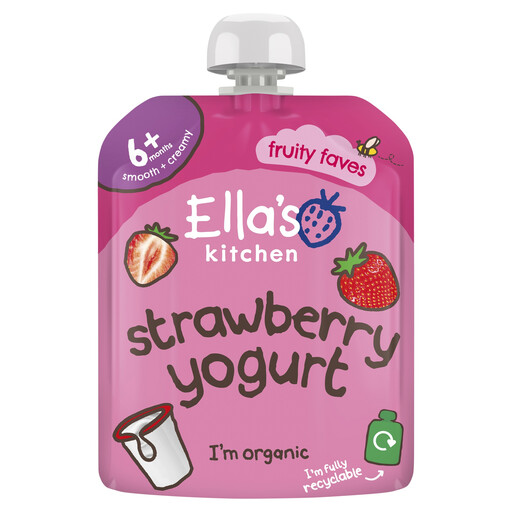
This yoghurt option is for a chilled strawberry snack when you do not need fromage frais for cooking. Compare its pack label with your fat, sugars and ingredient requirements.
 No image available
Ella's Kitchen Greek Yoghurt With Strawberry 6+ Months 90g
A strawberry yoghurt for a chilled snack, rather than fromage frais for a winter recipe. The 90g product is labelled 6+ months; check its per-100g fat and sugars, milk declaration and opened-pack instructions before choosing it.
View on Joybuy
Frequently asked questions
How can I tell whether fromage frais is low fat?
Compare total fat per 100g: the NHS guideline for low-fat food is 3g or less per 100g. Use that figure rather than the amount per pot when comparing different pack sizes.
Does ‘no added sugar’ mean low fat?
No. Added sugar and total fat are different attributes. Check fat per 100g to assess the low-fat guideline, and read total sugars per 100g separately.
Can fromage frais replace cream in a winter sauce?
A plain product may suit that use when its maker specifies it: ASDA describes its Fat Free Natural Fromage Frais as usable in place of cream for sauces and curries. Check the directions for the product you actually buy rather than assuming every fromage frais behaves the same way.
How should I store an opened pot?
Follow its own label. ASDA instructs buyers of its natural fromage frais to refrigerate it, consume it within two days after opening, avoid freezing it and not exceed the use-by date; another product may give different opened-pack instructions.
What if I need to avoid milk?
Check the allergen declaration on every product before buying. The ASDA natural fromage frais example contains milk, so it is not suitable for someone with a milk allergy.


