Couples sharing a scoopable dessert
If you want to serve from one tub, compare the dessert's total fat per 100 g before choosing a flavour. Check sugars and decide how much to put in each bowl too.


For a solid frozen dessert, start with total fat per 100 g: the nutrition-claims annex published on legislation.gov.uk sets a low-fat criterion of no more than 3 g per 100 g. A tub can make dessert easy to share, while individual pieces offer a different way to serve it; in either case, compare sugars and the amount you plan to serve, and check the current allergen information for both diners. A 'light' description or small portion does not, by itself, establish that a dessert is low fat.
If you want to serve from one tub, compare the dessert's total fat per 100 g before choosing a flavour. Check sugars and decide how much to put in each bowl too.
When dessert is for another person, ask about their dietary requirements before shopping. Read the current pack's ingredients and allergen information for the exact product you intend to serve.
Mochi, lollies or mini desserts offer an alternative to a shared tub. Their size or placement in a low-calorie category does not establish their fat or sugar content, so compare the nutrition panels.
Choose the serving format that suits dinner, then compare nutrition on a consistent per-100-g basis before checking the exact pack.
| Priority | What to check | Your needs |
|---|---|---|
| Low-fat claim | For a solid dessert, check total fat per 100 g against the 3 g criterion in the nutrition-claims annex published on legislation.gov.uk. Do not substitute a 'light' description or calorie figure for the fat value. | I want a dessert that meets a measurable low-fat criterion, rather than one that simply sounds lighter. |
| Other nutrition values | Compare sugars, saturates and energy on the same per-100-g basis. The NHS notes that labels may also give values per portion; check what that portion represents. | Lower fat is only one part of my choice. I also want to see the sugar content and the amount we will actually serve. |
| Serving format | Decide between scooping from a tub and serving individual pieces. For pieces, check the quantity and size on the pack rather than assuming one piece is your intended serving. | Would we rather share a tub after dinner, or have separate portions ready to plate? |
| Guest and storage checks | Read the current ingredients, allergen declaration and frozen-storage instructions on the exact pack. Follow any defrosting or refreezing directions given there. | If someone else is eating it, I need to confirm the dessert suits their dietary requirements and can be stored as directed until serving. |
Waitrose describes Carte D'Or Madagascan Vanilla Light as having 30% less fat than similar ice cream products. That relative comparison does not tell you its total fat per 100 g.
If low fat is your deciding condition, check the product's current per-100-g fat value against the 3 g criterion for solid foods.
Marks & Spencer lists 18.1 g sugars per 100 g for its Low Fat Birthday Cake Ice Cream and 20.3 g per 100 g for its Greek Style Cherry Fro-Yo. Their fat figures alone do not describe the rest of either nutrition panel.
Compare sugars and energy alongside fat on a per-100-g basis, then consider the portion you plan to serve.
A flavour or dessert format cannot tell you whether its ingredients and allergen declaration suit both diners.
Ask about dietary requirements first, then read the current pack for the exact dessert before buying and serving it.
Marks & Spencer lists a low-fat ice cream and a frozen yoghurt with per-100-g nutrition values, offering two scoopable formats to compare.
Waitrose lists Carte D'Or Madagascan Vanilla Light as an ice cream with a relative fat-reduction claim.
Tesco's frozen-dessert categories provide ways to browse formats, including sorbet, lollies and mini desserts.
Tesco lists Häagen-Dazs mini cups among its individually sized ice cream options.
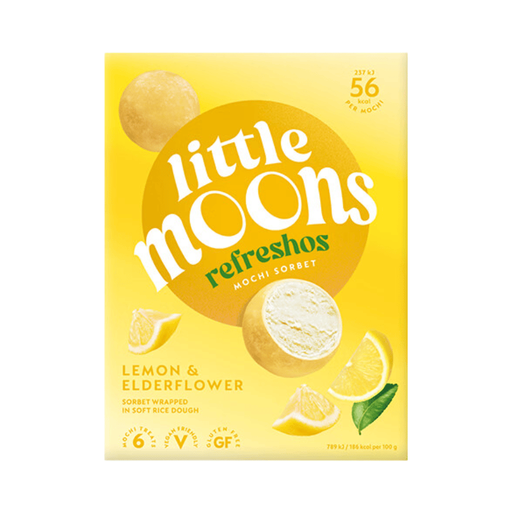
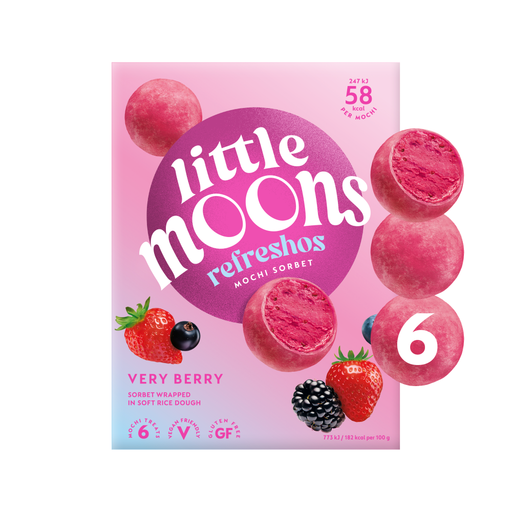
These Little Moons mochi sorbets are individual-piece alternatives to a shared ice-cream tub. Compare the current packs' per-100-g nutrition and allergen information before choosing one for both diners.
 No image available
Six 30 g pieces offer individual servings instead of scooping from a tub. Check the current pack's fat and sugars per 100 g, allergen declaration and storage directions before serving.
 No image available
This pack contains six 32 g mochi sorbets for serving separately after dinner. Compare its current per-100-g panel with other desserts, and read the pack's allergen and storage instructions.
For a solid frozen dessert, check total fat per 100 g: the nutrition-claims annex published on legislation.gov.uk specifies no more than 3 g per 100 g for a low-fat claim on solid foods. A 'light' description or relative fat reduction does not give you that figure.
No. Marks & Spencer lists 18.1 g sugars per 100 g for its Low Fat Birthday Cake Ice Cream and 20.3 g per 100 g for its Greek Style Cherry Fro-Yo. Compare the sugar figures separately from total fat, using the same per-100-g basis.
No. Tesco's low-calorie categories include different products and portion formats; the category does not give the fat content of every item. Read the exact product's nutrition panel per 100 g.
Check the current ingredients and allergen declaration for the exact dessert before buying and serving it. Ask the other diner about their requirements rather than assuming a flavour, brand or dessert format is suitable.
Follow the storage, defrosting and refreezing directions on its current pack. Check them before planning when to take the dessert out for serving.