Shoppers seeking low-fat frozen meals
If freezer convenience matters alongside fat content, use the nutrition panel rather than calorie or lifestyle wording. The NHS identifies 3g of total fat or less per 100g as low for food.


A premium frozen meal can suit a low-fat shopping brief, but its description is no substitute for its nutrition panel. The NHS identifies 3g of total fat or less per 100g as low for food; compare that figure and the amount in the meal, then check saturated fat, salt, allergens and cooking instructions.
If freezer convenience matters alongside fat content, use the nutrition panel rather than calorie or lifestyle wording. The NHS identifies 3g of total fat or less per 100g as low for food.
A richer recipe may appeal for a particular meal occasion, but premium positioning does not tell you its fat, saturated fat or salt content. Compare the exact product labels before choosing.
Calorie-controlled ranges can help narrow a search. Check fat separately, and compare both per-100g and per-portion figures to understand the meal you plan to eat.
Start with fat per 100g, then look at the whole meal and the recipe details that matter to you.
| Priority | What to check | Your needs |
|---|---|---|
| Total fat | Read total fat per 100g on the exact pack. The NHS identifies 3g or less per 100g as low for food; also check the amount in the portion you will eat. | I want a frozen meal whose fat figures fit my low-fat criteria, not one chosen solely for its range name. |
| Calories and portions | Compare calories and fat as separate figures. Tesco Groceries has a frozen under-500-calorie section, but its calorie limit does not establish a meal’s fat per 100g. | An advertised calorie limit helps me shortlist meals, while the nutrition panel helps me assess the portion I plan to eat. |
| Recipe and label | Read the recipe description, then compare fat, saturated fat and salt. Where present, the traffic-light label shows these measures at a glance, as explained by GOV.UK. | For a meal that feels more special, I would rather choose by its ingredients and nutrition figures than assume a premium name means low fat. |
| Pack and preparation | Confirm storage and cooking directions on the pack. Check its current ingredients and allergen declaration; Iceland Foods advises reading the physical label because product information can change. | I need a meal I can store and prepare as directed, with ingredients and allergens I can check before use. |
A calorie limit and fat per 100g measure different things. Tesco Groceries’ frozen under-500-calorie section is a shortlist, not a low-fat designation for every meal in it.
Compare total fat per 100g with the NHS low-fat guidance, then read the amount of fat in the meal.
M&S describes some frozen meals as rich and buttery. A premium description alone cannot establish a product’s fat, saturated fat or salt content.
Choose a recipe that appeals to you, then check those figures on its own nutrition panel.
Serving sizes can differ between meals, making per-portion figures difficult to compare on their own.
Compare per 100g first, then check the figures for the amount you intend to eat.
Ingredients and product information can change. Iceland Foods advises checking the actual pack, including its allergen advice.
Read the current ingredient list, allergen declaration, nutrition panel and cooking directions before use.
These ranges offer different ways to find ready meals; their names do not establish whether an individual product is both frozen and low fat.
M&S has a frozen ready-meal range and a separate Count On Us range, which M&S describes as calorie controlled.
Tesco Groceries has a frozen under-500-calorie ready-meal section. Its Tesco Finest and Premium ready-meal sections appear separately in its fresh-food catalogue.
Waitrose & Partners lists No.1 premium ready meals and a separate Love Life Calorie Controlled ready-meal route.
Iceland Foods has a frozen ready-meal catalogue and lists meals in its Slimming World range.
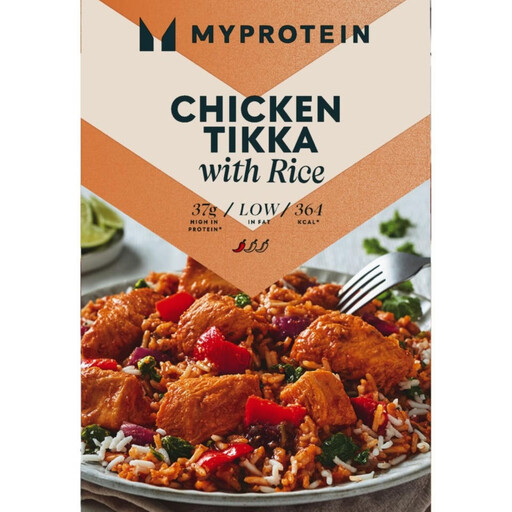
This chicken tikka option is relevant to the ready-meal search; use its current pack information to decide whether it meets your frozen-storage and low-fat requirements. Premium positioning is not established by its name.
 No image available
For a low-fat frozen-meal shortlist, check the current pack’s fat per 100g against the NHS guidance and confirm its storage and cooking directions. Also review the figures for the whole meal, saturated fat and salt, and read the allergen declaration.
The NHS identifies food with 3g of total fat or less per 100g as low in fat. Check the exact meal’s per-100g figure; “calorie controlled” and “high protein” describe different characteristics.
No. Tesco Groceries’ frozen under-500-calorie section groups meals by calories, while low fat is assessed using fat per 100g. Read the exact meal’s fat figure and the amount in your portion.
Compare total fat per 100g first, then check saturated fat, salt and the figures for the portions you intend to eat. Where available, the traffic-light label provides a quick view of fat, saturates, sugars and salt, as described by GOV.UK.
Yes. Iceland Foods advises reading the actual product label because ingredients and allergen information can change. Check the current pack before use.
No. Premium wording does not establish a meal’s nutrition figures either way. M&S describes some frozen recipes as rich and buttery, so assess the fat per 100g on the particular meal rather than accepting or excluding it by range name.