Shoppers comparing fat and saturates
If reducing fat is part of the eater’s food choices, compare similar meals per 100g and check what the full serving contains. A reduced-fat cue does not tell you the meal’s salt or protein content.


Reduced-fat frozen meals are worth considering when reducing fat fits the eater’s needs and they are maintaining their appetite and weight. Compare fat and saturates per 100g, then check salt, protein and the amount in the whole serving. Age UK cautions that low-fat choices may not suit someone with a small appetite or unintended weight loss.
If reducing fat is part of the eater’s food choices, compare similar meals per 100g and check what the full serving contains. A reduced-fat cue does not tell you the meal’s salt or protein content.
Age UK cautions that low-fat-focused eating may not suit someone who eats little or has lost weight unintentionally. Energy and protein need attention alongside any advice from their clinician or dietitian.
Check that there is freezer space and that the meal’s stated cooking method suits the available appliance. Read the current pack for serving size, storage instructions and allergens before use.
Start with the reason for choosing a lower-fat meal, then compare the nutrition panel and the practical requirements of preparing it.
Consider when: Reducing fat fits the eater’s needs and they are maintaining their appetite and weight.
Bear in mind: A lower fat figure does not establish that salt or protein is suitable for the full serving.
Consider when: Someone has a small appetite or has lost weight unintentionally; Age UK advises against assuming low-fat choices suit this situation.
Bear in mind: Fat and salt still matter, and individual dietary restrictions need appropriate professional advice.
| Priority | What to check | Your needs |
|---|---|---|
| Fat and saturates | Compare similar meals per 100g. The NHS defines low total fat as 3g or less per 100g and low saturated fat as 1.5g or less per 100g; also read the whole-serving figures. | I’m comparing lower-fat meals, not relying on a calorie-controlled range name to tell me how much fat a serving contains. |
| Salt | Read salt per 100g and for the amount you expect to eat. Fat and salt are separate measures. | A lower-fat option still needs a salt check before I choose it. |
| Energy and protein | Check calories and protein for the full portion, particularly when appetite is limited. The British Dietetic Association highlights the importance of nutrient-rich food and protein in later life. | If I’m shopping for someone who eats small portions or has lost weight unintentionally, the fat figure alone will not settle the choice. |
| Portion and preparation | Check the number of servings, freezer instructions and the stated oven or microwave method against the appliances available. | I want a portion we can use and a cooking method we can follow. |
| Ingredients and allergens | Read the current pack’s ingredients and allergen declaration for the exact product. | When an ingredient needs to be avoided, I need to check this meal rather than assume that other meals in the range are the same. |
A range name or calorie claim does not establish a meal’s fat, salt, protein or whole-serving values.
Compare the nutrition panel per 100g and for the portion you intend to eat.
Age UK cautions that low-fat-focused choices may not suit someone with a small appetite or unintended weight loss.
Check the portion’s energy and protein, and seek advice from a GP or dietitian about persistent poor appetite or unintended weight loss.
A meal’s fat figure does not tell you its salt content. The amount eaten matters as well as the per-100g figure.
Read both measures on the same meal’s label before comparing it with another option.
A product may require an appliance or storage conditions that do not suit the household, and ingredients differ between meals.
Check the current pack’s freezer, cooking and allergen instructions before preparing it.
Waitrose & Partners lists nutrition for individual frozen ready meals, allowing comparisons between specific products.
Tesco Groceries groups frozen ready meals by types including curries, fish pies, Italian meals and vegetarian or vegan meals.
M&S describes its Count On Us dishes as calorie-controlled.
Iceland Foods lists frozen ready meals and gives product-specific storage and ingredient information.
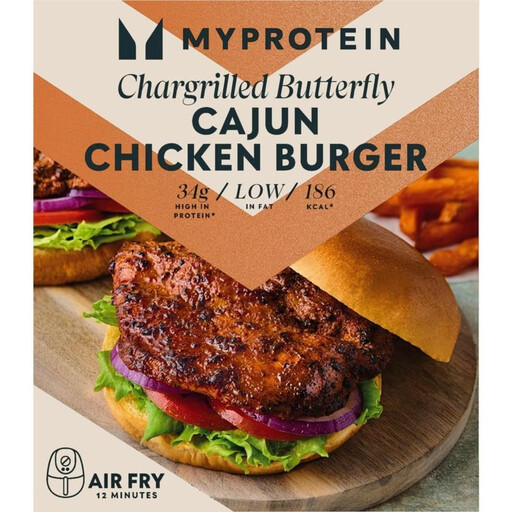
This chicken burger option is a component for assembling a frozen meal, rather than a complete ready meal. Check its label and what you plan to serve with it when comparing whole-meal portions.
 No image available
Use these chicken burgers as a meal component, not as a complete ready meal. The named pack contains two burgers and is marked 300g; check the current label for nutrition per portion, allergens and cooking instructions, and account for anything served alongside them.
The NHS defines low total fat as 3g or less per 100g and low saturated fat as 1.5g or less per 100g. Compare similar meals on that basis, then check the figures for the amount you will eat.
No. Age UK cautions that low-fat-focused choices may not suit someone with a small appetite or unintended weight loss. In that situation, consider the meal’s energy and protein as well as any individual dietary advice.
Salt and fat are separate figures, so a lower fat value does not establish a lower salt value. Read the salt amount for the portion you expect to eat as well as per 100g.
Check the current pack for its storage temperature, cooking method, appliance instructions and number of servings. Follow that product’s directions for cooking and reheating.
Read the current product’s ingredient list and allergen declaration rather than judging by the meal type or range. For example, Iceland Foods declares milk and barley in its Liver & Bacon with Mash listing.