What should you check before buying?
Start with the fat figure on the exact pack, then weigh up how the snack fits the walk and whether its ingredients and storage instructions work for you.
| Priority | What to check | Your needs |
|---|
| Low-fat claim |
Compare fat per 100g on the exact pack. Department of Health and Social Care guidance gives no more than 3g per 100g as the threshold for a low-fat claim on solid food; a roasting description is not a substitute for the nutrition panel. |
I want a snack that meets a low-fat criterion, rather than one that merely sounds lighter. |
| Food for the walk |
Compare energy and carbohydrate per 100g, then consider the portion you will carry. The British Dietetic Association identifies carbohydrate as a main fuel source for exercising muscles; Mountaineering Scotland notes that more energetic hill days call for more regular eating. |
For a longer or more demanding walk, I need to plan more than a single pouch of chestnuts or nuts. |
| Ingredients and salt |
Read the ingredients and salt per 100g for the specific variant. KP lists sunflower oil and salt in Original Salted Peanuts; its Dry Roasted Peanuts list 1.7g salt per 100g. |
I would choose an unsalted or uncoated option if added salt or flavouring is something I want to avoid. |
| Pack suitability |
Check allergen statements and storage instructions on the exact pack. Merchant Gourmet Whole Chestnuts must be refrigerated and eaten within 3 days once opened. |
If I am packing ahead or buying for someone with an allergy, the unopened pack and its label matter as much as the snack type. |
Chestnut options on Joybuy
These chestnut products are options to examine when looking for a lower-fat hiking snack. Check each exact pack’s nutrition and storage information before relying on it for a particular walk.
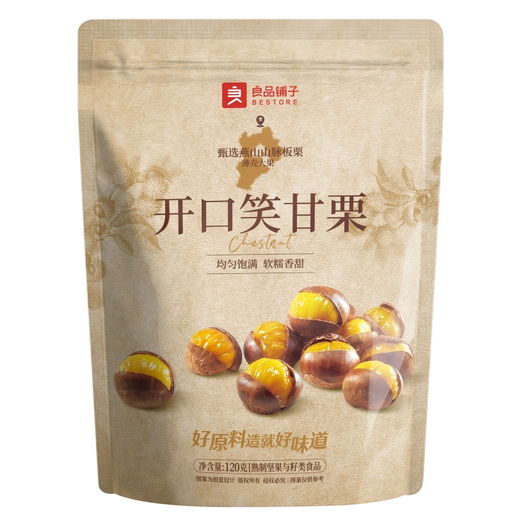 No image available
Bestore Smiling Chestnuts 120g bag
A 120g chestnut bag to consider for a hike; check its per-100g fat figure and instructions for use after opening.
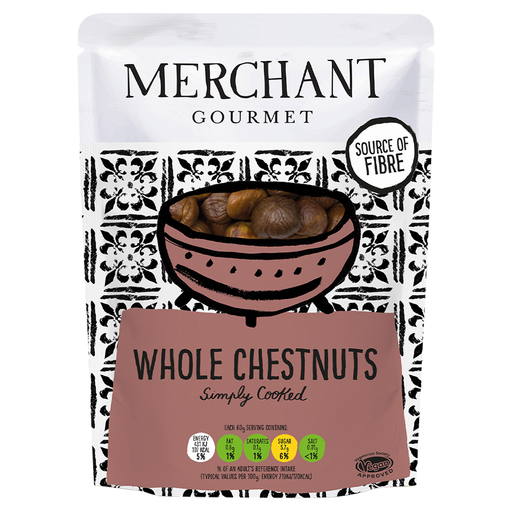 No image available
Merchant Gourmet Whole Chestnuts 180g
A ready-to-eat chestnut option for a low-fat snack. ASDA Groceries lists 1.3g fat, 33g carbohydrate and 170kcal per 100g for this exact product. Refrigerate after opening and eat within 3 days.
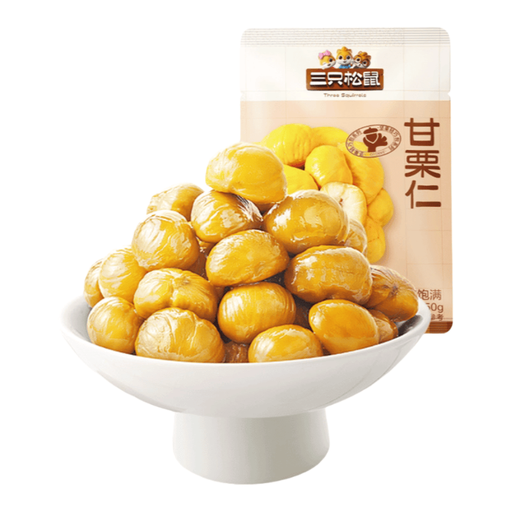 No image available
Three Squirrels Light Pack Sweet Chestnut Kernels 50g
The 50g pack gives you a smaller chestnut portion to consider carrying. Check the fat figure per 100g rather than treating “Light Pack” as a nutrition claim.
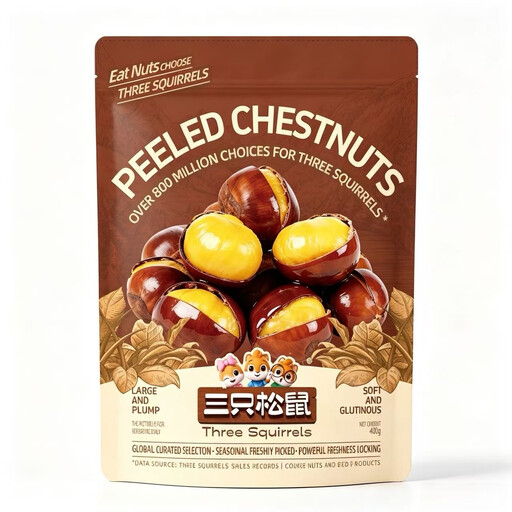 No image available
Three Squirrels New & Unique Sweet Chestnut Kernels 400g
A 400g chestnut-kernel pack to assess if you want to portion snacks for more than one outing. Check the pack’s nutrition panel and storage instructions before doing so.
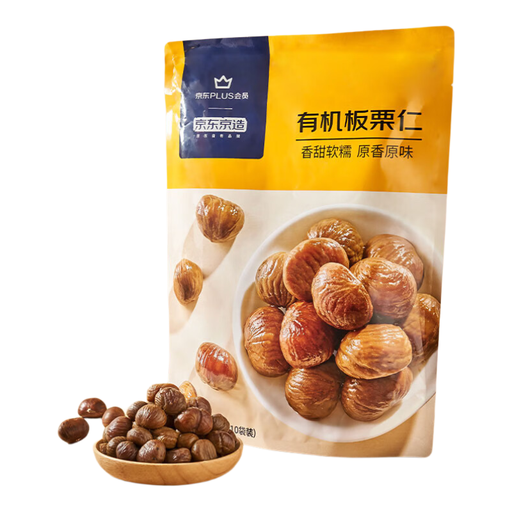 No image available
J.ZAO S++ Grade Whole Chestnuts 1kg, 10 sachets
This ready-to-eat peeled-chestnut pack is described as ten sachets. The pack format may help you take a portion on separate walks; check each sachet’s nutrition and storage information.
Questions about hiking snacks
What does “low fat” mean for a solid snack in the UK?
Department of Health and Social Care guidance says a solid food making a low-fat claim must contain no more than 3g fat per 100g. Compare the per-100g nutrition figures on the exact pack, not just the portion size or roasting description.
Are dry-roasted peanuts low fat?
Dry roasting does not establish that they are low fat. KP Dry Roasted Peanuts list 47g fat per 100g, above the UK low-fat threshold for solid foods, alongside 595kcal and 30g protein per 100g. Check other products individually.
Which chestnut product has a stated low-fat figure?
ASDA Groceries lists Merchant Gourmet Whole Chestnuts 180g at 1.3g fat per 100g and describes them as low fat. They are ready to eat, but the pouch must be refrigerated and eaten within 3 days once opened.
Can a pouch of chestnuts be my only food for a hike?
Plan food and fluids for the whole walk rather than relying on one pouch. The British Dietetic Association identifies carbohydrate as a main fuel source for exercising muscles, while Mountaineering Scotland advises more regular eating on more energetic hill days.
What should I check if someone has a nut or peanut allergy?
Read the ingredients and allergen statements on the exact pack before taking it. The Food Standards Agency distinguishes peanuts, which are legumes, from tree nuts such as almonds, cashews and hazelnuts; do not assume a statement about one covers the other.


