Shoppers looking specifically for low fat
You want to distinguish a low-fat ice cream from one described only as light or reduced fat. The fat figure per 100 g is the useful starting point.


For a low-fat ice cream tub, start with fat per 100 g: the condition published by legislation.gov.uk for solid foods is no more than 3 g per 100 g, and Marks & Spencer lists 1.1 g per 100 g for its Low Fat Birthday Cake Ice Cream. Sainsbury’s lists 4.3 g per 100 g for Wall’s Soft Scoop Vanilla Light, so its reduced-fat description is not interchangeable with low fat. Compare sugars, allergens and tub size before choosing either for a winter dessert.
You want to distinguish a low-fat ice cream from one described only as light or reduced fat. The fat figure per 100 g is the useful starting point.
You are deciding whether a smaller tub or a sharing tub suits the pudding you have in mind. Pack size and nutrition per 100 g help you compare formats without treating the whole tub as one serving.
You need the allergy statement for the exact flavour and pack, rather than relying on a product-line name or an earlier listing.
Check fat on a comparable basis first, then look at the rest of the nutrition panel, the pack format and the label for the exact flavour.
| Priority | What to check | Your needs |
|---|---|---|
| Low-fat wording | Read fat per 100 g. Legislation.gov.uk publishes a condition of no more than 3 g per 100 g for a low-fat claim on solid food; a percentage reduction is a different claim. Marks & Spencer lists 1.1 g per 100 g for its Low Fat Birthday Cake tub, while Sainsbury’s lists 4.3 g per 100 g for Wall’s Soft Scoop Vanilla Light. | I want a tub that meets the low-fat figure, not just one described as having less fat than similar products. |
| Full nutrition panel | Compare fat, saturates, sugars and energy using the same per-100 g basis; use per-serving figures to assess the portion you plan to serve. Marks & Spencer lists 18.1 g sugars per 100 g alongside 1.1 g fat for its Birthday Cake tub. | For an after-dinner dessert, I care about more than the fat claim on the front of the pack. |
| Tub size | Check whether the pack suits an individual dessert or several servings. The M&S Birthday Cake tub is listed as 234 g; Wall’s Soft Scoop Vanilla Light is a 1.8 L tub. Do not treat grams and millilitres as interchangeable measures. | A smaller tub may suit my planned dessert, or I may need a larger one to share. |
| Allergens and storage | Read the current allergy statement and freezer instructions for the exact flavour. Check the label again if the product information has changed. | I need to know whether this particular tub is suitable for everyone who will eat it and how it must be stored. |
Sainsbury’s describes Wall’s Soft Scoop Vanilla Light as having 30% less fat than similar products, but lists 4.3 g fat per 100 g. A relative reduction does not establish that a tub meets the low-fat figure published by legislation.gov.uk for solid foods.
If low fat is your requirement, check the product’s fat declaration per 100 g rather than relying on the front-of-pack description.
A per-100 ml value, a per-serving value and a per-100 g value do not provide a like-for-like test against a per-100 g condition.
Use matching units when comparing tubs. If only a per-100 ml figure is shown, do not assume it establishes that the product meets a per-100 g low-fat condition.
Marks & Spencer lists 18.1 g sugars per 100 g for its Low Fat Birthday Cake Ice Cream despite its 1.1 g fat per 100 g. A low-fat claim does not describe every part of the nutrition panel.
Read the sugars, saturates and energy figures as well as fat, using the same measurement basis.
The suitability of a flavoured tub depends on its exact ingredients and allergy statement; storage directions also matter once it is home.
Check the pack you buy for allergens and follow its freezing and thawing instructions.
These examples show different label claims and tub formats; a brand name alone does not establish that every flavour meets the same fat figure.
Its Low Fat Birthday Cake Ice Cream is a 234 g tub to consider when the low-fat figure is the deciding factor.
Soft Scoop Vanilla Light is a 1.8 L sharing tub for shoppers considering a reduced-fat vanilla option.
Madagascan Vanilla Light is a 900 ml vanilla tub for those considering a lighter-labelled sharing format.
Goodness Mint Chocolate Chip is a 450 ml tub for shoppers interested in that flavour and format.
These options comprise a salted caramel ice cream and two gelato flavours for a frozen winter dessert. Check the current pack’s per-100 g nutrition before choosing one specifically for a low-fat requirement.
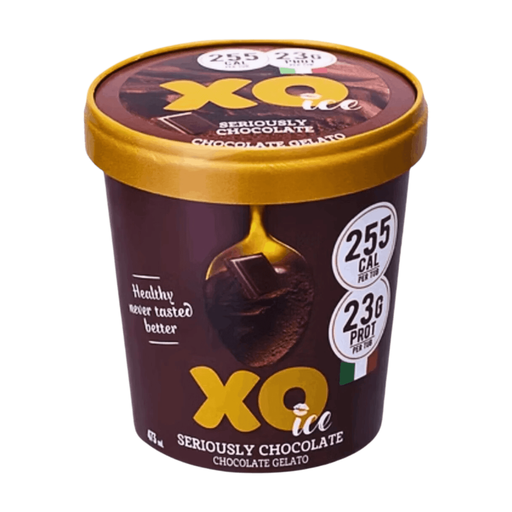 Image unavailable
A chocolate gelato tub to consider if gelato suits the dessert you have in mind. The title states 473 ml; check the pack for per-100 g nutrition, allergens and portion information before choosing it for a low-fat requirement.
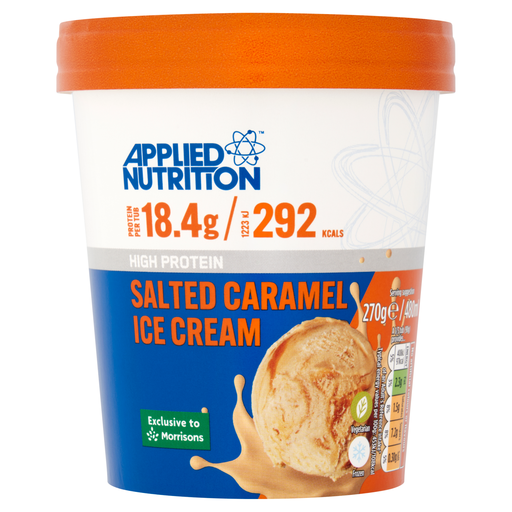 Image unavailable
A salted caramel ice cream tub if you prefer ice cream to gelato. The title states 480 ml; confirm the pack quantity and portion guidance on the label, alongside its per-100 g nutrition and allergens.
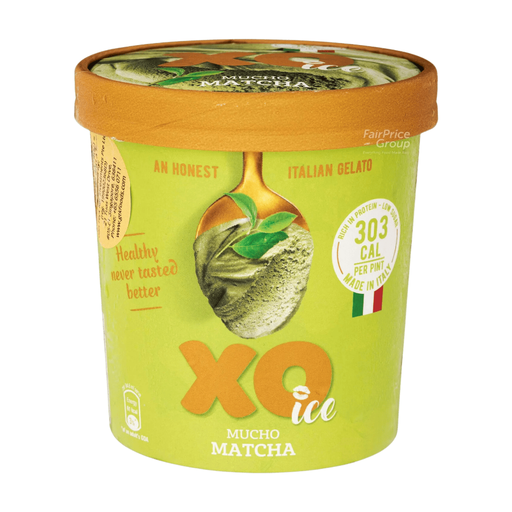 Image unavailable
A matcha gelato tub to consider if that flavour and gelato format suit your dessert. The title states 473 ml. Allergen statements for this variant conflict, so check the current pack before buying, especially if anyone eating it has an allergy; also check its per-100 g nutrition and portion information.
No. Legislation.gov.uk publishes a low-fat condition of no more than 3 g fat per 100 g for solid food, whereas a reduced-fat claim compares a product with others. Sainsbury’s lists 4.3 g fat per 100 g for Wall’s Soft Scoop Vanilla Light, despite describing it as reduced fat.
No. The fat claim does not state the sugar content: Marks & Spencer lists 1.1 g fat and 18.1 g sugars per 100 g for its Low Fat Birthday Cake Ice Cream. Read both figures if they matter to your choice.
Choose the format that fits the number of servings you plan to make, while checking nutrition independently of size. The M&S Low Fat Birthday Cake tub is listed as 234 g; Wall’s Soft Scoop Vanilla Light is a 1.8 L sharing format but, at 4.3 g fat per 100 g according to Sainsbury’s, is not interchangeable with a tub meeting the low-fat figure.
Read the allergy statement for the exact pack, particularly if anyone eating it has an allergy, and follow its freezer and thawing instructions. Check the nutrition panel on a consistent basis if you are comparing it with another flavour or format.