Diners adding a drink to lunch
If lunch already includes food, a flavoured milk drink can be chosen as an accompaniment. Compare its fat and sugars per 100ml, then consider how much of the pack you will drink.


For a milkshake alongside a workplace-canteen lunch, compare fat per 100ml first: the low-fat-claim threshold for liquids listed in the annex published by legislation.gov.uk is 1.5g per 100ml, with a separate 1.8g allowance for semi-skimmed milk. Then check sugars across the amount you will drink and whether you want a regular flavoured milk drink, a protein-focused shake or a product specifically formulated as a meal replacement.
If lunch already includes food, a flavoured milk drink can be chosen as an accompaniment. Compare its fat and sugars per 100ml, then consider how much of the pack you will drink.
A ready-to-drink protein shake is a different option from a conventional flavoured milkshake. Check its protein and sugars alongside fat, and read the ingredients if milk is a concern.
A formulated meal-replacement product has a different intended use from an ordinary milkshake. Check its preparation instructions and stated use rather than treating the two as interchangeable.
Start with fat per 100ml, then look at the amount you will drink, its sugars and its intended role at lunch.
| Priority | What to check | Your needs |
|---|---|---|
| Fat | Read fat per 100ml. The annex published by legislation.gov.uk sets 1.5g per 100ml for a low-fat claim on liquids, with 1.8g for semi-skimmed milk; do not apply that separate allowance to every milkshake. | I want to compare drinks by their nutrition panels, rather than assuming that a no-added-sugar label also means low fat. |
| Sugars and portion | Compare total sugars per 100ml and for the serving or bottle you intend to drink. Check the ingredients separately for added sugar. | If I drink the whole bottle at lunch, its full-bottle figures matter. NHS guidance notes that naturally occurring milk sugars appear in total sugars, although they are not free sugars. |
| Role at lunch | Check whether the product is a flavoured milk drink, a protein-focused shake or a labelled meal replacement. For a powder, read the prepared-serving instructions. | Lunch already includes food, so I may only want a drink alongside it; replacing lunch would be a different choice. |
| Milk ingredients | Read the current ingredient and allergen declaration. Do not equate lactose free with milk free. | When milk is an allergen concern, I need to check the actual drink offered by the canteen, including one served without its original packaging. |
ASDA Groceries lists Mars Chocolate Milk Shake as no added sugar, but its nutrition panel gives 2.2g fat per 100ml. The two descriptions address different nutrients.
Check fat per 100ml first if low fat is your criterion, then assess sugars separately.
Drinks come in different pack sizes, so per-100ml figures alone do not describe the amount in the bottle you drink.
Use per-100ml figures to compare products, then check the stated serving or full-pack nutrition for your lunch.
A flavoured milk drink and a product labelled as a meal replacement have different intended uses.
If you are choosing a drink instead of lunch, check for a product specifically formulated for that purpose and follow its preparation and use instructions.
Lactose-free protein shakes can still contain milk ingredients, which matters to someone with a milk allergy.
Read the pack’s current allergen declaration and ask the canteen for allergen information when the original pack is not available.
These nutrition figures refer to the named products, not every flavour or size in each brand’s range.
A conventional ready-to-drink flavoured milk option.
A protein-focused flavoured milk shake to compare with a regular milk drink.
A protein-focused chocolate shake with its own nutrition profile.
A chocolate milk drink illustrating why no-added-sugar and low-fat descriptions must be checked separately.
A flavoured milkshake range that calls for flavour-by-flavour label checks.
These ready-to-drink options include two protein shakes and a smaller yoghurt-style drink to consider alongside a canteen lunch.
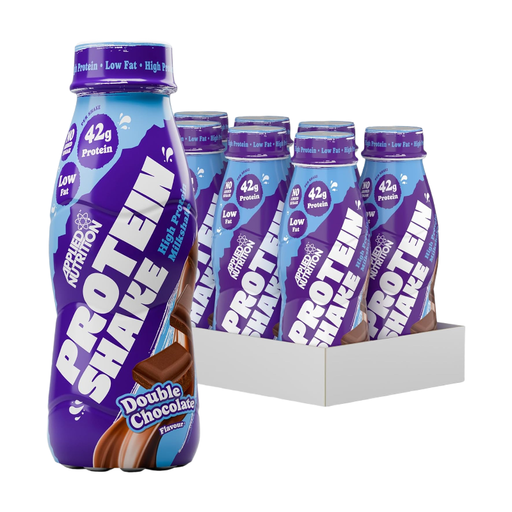 No image available
A ready-to-drink protein shake to consider alongside food at lunch. Compare the sugars for a full 500ml bottle rather than relying on its low-fat positioning, and check the milk allergen declaration.
 No image available
A ready-to-drink protein shake in 330ml bottles for a lunch accompaniment. A no-added-sugar description does not mean sugar-free: compare the bottle’s total sugars and check the milk allergen declaration.
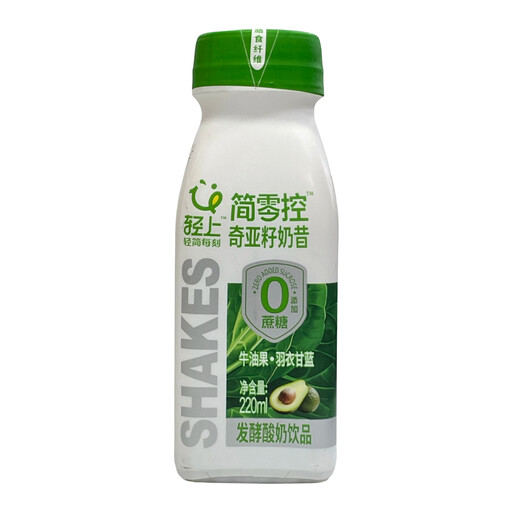 No image available
This smaller, smoothie-style yoghurt drink is a different choice from a conventional flavoured milkshake. Its no-added-sugar description conflicts with sugar listed in the fruit preparation ingredients, so check the current pack before relying on that claim; it also contains milk.
Check fat per 100ml. The annex published by legislation.gov.uk sets no more than 1.5g fat per 100ml for a low-fat claim on liquids and a separate 1.8g allowance for semi-skimmed milk; do not assume that every milkshake made with semi-skimmed milk has the same fat figure.
No. ASDA Groceries lists Mars Chocolate Milk Shake as no added sugar, alongside 2.2g fat and 6.5g total sugars per 100ml. NHS guidance explains that total sugars include naturally occurring milk sugars, so read the nutrition panel and ingredients as separate pieces of information.
An ordinary flavoured milk drink should not be assumed to have the intended role of a formulated meal replacement. If you are considering a replacement product, check that it is labelled for that use and follow its preparation and use instructions; the SlimFast Chocolate powder described by Tesco Groceries is a meal-replacement product rather than a ready-to-drink milkshake.
No. Lactose-free wording does not establish that milk ingredients are absent: the Arla Protein and For Goodness Shakes products discussed here contain milk. For a milk allergy, check the current pack declaration or ask the canteen for the drink’s allergen information before consuming it.