Shoppers wanting a low-fat drink with a meal
If you want one ready-to-drink milkshake alongside lunch or a light meal, compare fat per 100ml as well as the amount in the bottle.


For one drink alongside a meal, compare fat per 100ml first, then check whether the bottle is a declared serving and what you would consume if you finish it. A low-fat or high-protein label does not establish that a milkshake is a complete meal, and “no added sugar” does not mean low fat.
If you want one ready-to-drink milkshake alongside lunch or a light meal, compare fat per 100ml as well as the amount in the bottle.
If protein is part of your choice, check the amount in the whole bottle alongside its serving size, energy, sugars and allergens. Protein content alone does not establish that the drink can replace a meal.
If you are considering a no-added-sugar milkshake, check fat separately. The two labels describe different product characteristics.
Start with the per-100ml nutrition table, then work out what the portion you intend to drink represents.
| Priority | What to check | Your needs |
|---|---|---|
| Fat content | Compare fat per 100ml. The UK conditions for a low-fat claim on liquids published by legislation.gov.uk specify no more than 1.5g per 100ml; semi-skimmed milk has a separate condition. | I want to assess a flavoured drink against a consistent low-fat measure, not assume its front-of-pack wording tells me its fat content. |
| Portion size | Check pack volume and declared servings. Tesco lists two 200ml servings in the checked 400ml Yazoo Chocolate Milk Drink bottle. | One bottle may suit my meal occasion, but I want to know whether drinking all of it means having more than one labelled serving. |
| Whole-drink nutrition | Read energy, sugars and protein for the amount you plan to drink, not just per 100ml or per labelled serving. Keep bottle sizes in view when comparing totals. | If I finish the drink alongside food, its full-bottle figures matter more to me than a smaller serving shown on the label. |
| Ingredients and storage | Check the exact flavour’s allergen and lactose information, plus instructions for storing it after opening. A lactose-free label is not the same as a milk-free label. | I need a drink that fits my ingredient requirements and can be stored as directed if I do not finish it at once. |
ASDA lists the checked Mars Chocolate Milk Shake Drink as no added sugar, but with 2.2g fat per 100ml. That exceeds the 1.5g-per-100ml condition for a low-fat claim on liquids published by legislation.gov.uk.
If low fat is your main criterion, check fat per 100ml independently of sugar claims.
Tesco lists two 200ml servings in the checked 400ml Yazoo bottle. Drinking the entire bottle means consuming two labelled servings.
Check the serving count before using per-serving nutrition figures to compare bottles.
A fat-free label does not tell you the drink’s energy or sugars for the amount you will consume.
Compare fat per 100ml, then read energy, sugars and protein for your intended portion.
Protein content describes one nutrient, not whether a drink provides everything intended from a meal. The NHS Eatwell Guide discusses variety and proportions across the overall diet.
Decide whether the drink will accompany food or whether you are looking for a product explicitly presented as a complete meal.
These examples describe particular checked drinks; they do not establish the nutrition or availability of every product from each brand.
A 330ml chocolate protein milkshake for shoppers considering a declared bottle-sized portion.
A conventional chocolate milk drink that can be divided into labelled portions.
A chocolate-bar-flavoured milk drink to consider separately from low-fat options.
A larger chocolate protein shake for someone who wants one declared serving per bottle.
An own-label chocolate milkshake to portion from a larger carton.
These packs contain ready-to-drink shakes or a yoghurt drink in individual bottles or cans. Check the nutrition and serving information for the particular drink you intend to have with a meal.
 No image available
This pack contains eight 330ml bottles. For a drink alongside one meal, check the individual bottle’s serving and nutrition information rather than treating the multipack as one portion. Contains milk; check the label for allergens.
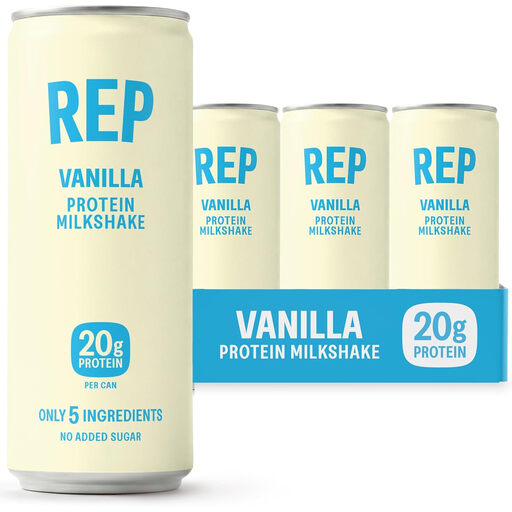 No image available
This pack contains eight 250ml cans. Compare the nutrition information for one can with the portion you want alongside a meal. Contains milk; check the label for allergens.
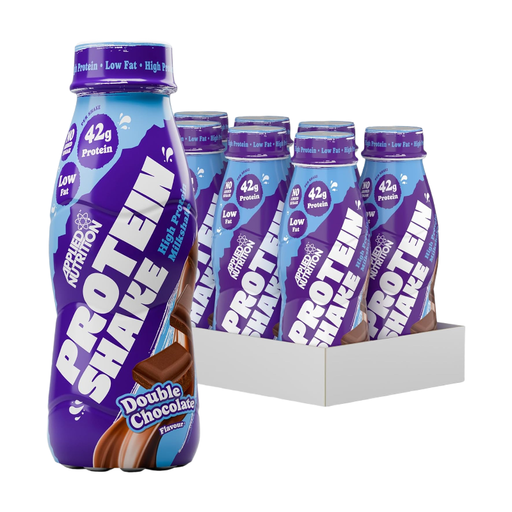 No image available
This pack contains eight 500ml bottles. Consider whether a full 500ml bottle suits the meal occasion, and compare its full-bottle nutrition rather than fat alone. Contains milk; a protein shake should not be assumed to replace a varied meal.
 No image available
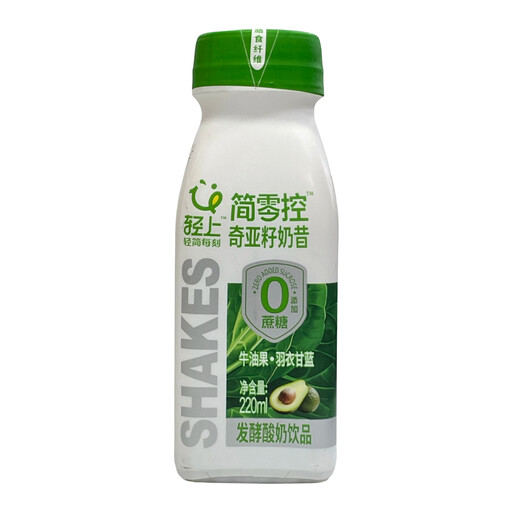
The 220ml bottle offers a smaller drink format. Check its labelled serving size before treating the bottle as one declared portion. If a no-added-sugar claim matters to you, compare the current pack wording with its ingredients; the listed fruit preparation includes sugar. Contains milk.
Check fat per 100ml. The UK conditions for a low-fat claim on liquids published by legislation.gov.uk specify no more than 1.5g fat per 100ml, with a separate condition for semi-skimmed milk. Do not assume a flavoured drink meets that condition without reading its nutrition table.
No. ASDA labels the checked Mars Chocolate Milk Shake Drink no added sugar but lists 2.2g fat per 100ml. Check sugar claims and fat content separately.
Do not infer that from its low-fat or protein figures. If you want a drink alongside food, compare it as part of that meal; if you want a complete-meal product, check that the particular product is explicitly presented for that purpose. The NHS Eatwell Guide addresses variety and proportions across the overall diet.
Read the label for the exact flavour and pack size. The checked Yazoo drink contains milk, the Mars drink contains milk and barley, and the Üfit drink lists milk and oat fibre identified as gluten. A lactose-free label on a dairy drink does not make it suitable for someone avoiding milk protein.
Follow the storage and consumption instructions on the bottle you have. This matters particularly when a pack contains more than one labelled serving and you plan to keep the remainder.