Who is choosing the drink?
The useful comparison changes with the ride, the next meal and any ingredient restrictions.
Cyclists after a longer ride
If a meal will be delayed, compare the protein and carbohydrate in the amount you will actually drink. British Cycling advises prioritising protein after rides longer than 90 minutes and adding carbohydrate to a recovery drink when the next meal is more than an hour away.
Everyday riders choosing flavoured milk
For an easy ride or a drink alongside food, a conventional milkshake may be the format you want. Check its fat, sugars, carbohydrate and protein separately rather than treating a low-fat description as a summary of the whole nutrition panel.
Riders checking lactose and milk ingredients
If you are looking for a lactose-free dairy drink, check the statement on the exact flavour and pack. Lactose-free does not mean milk-free: read the ingredients and allergen declaration if you need to avoid milk.
What should you check?
Conventional flavoured milk
Consider it: For an everyday drink or snack when you are not relying on the bottle for a large protein serving.
Check the trade-off: Fat, sugars and protein vary by product; a low-fat description does not establish that the drink is low in sugar or high in protein.
Higher-protein milkshake
Consider it: After a longer ride when you want a portable drink and your next meal may be delayed, in line with British Cycling’s post-ride guidance.
Check the trade-off: A high protein amount does not tell you whether the drink also provides the carbohydrate you want after that ride.
Decide when you will drink it, then compare the nutrition panel for the portion you expect to have.
| Priority |
What to check |
Your needs |
| Carbohydrate |
Read carbohydrate per 100 ml and per bottle or poured portion. Consider when your next meal and training session fall. |
For a longer or harder ride, I want the drink to fit the rest of my food and drink plan. The British Dietetic Association notes that carbohydrate requirements depend on the training programme and rise with harder, longer sessions. |
| Protein |
Compare grams per full serving, not just a protein-focused name. Check carbohydrate alongside it if a post-ride meal will be delayed. |
If I will not eat soon after a long ride, I want to know what the bottle contributes. British Cycling advises protein after rides longer than 90 minutes and carbohydrate in the recovery drink if the next meal is more than an hour away. |
| Fat and sugars |
Read fat and sugars per 100 ml and for your portion. Use the nutrition panel for the exact flavour and pack size. |
I may want a lower-fat flavoured milk, but I still want to see its sugars and protein separately. Sainsbury’s lists 1.2 g fat, 8.9 g sugars and 3.6 g protein per 100 ml for its Chocolate Milkshake 1 L. |
| Milk ingredients |
Read the ingredients and allergen declaration. Check any lactose-free statement on the exact product rather than assuming it is milk-free. |
If I need to avoid milk, a lactose-free claim is not enough: the lactose-free For Goodness Shakes product listed by Tesco contains a milk-derived ingredient. |
| Portion and storage |
Check whether the pack is one serving or multi-serve, how much you plan to pour and the instructions after opening. |
At home, I can portion a carton; away from home, I need a pack I can store as directed. Sainsbury’s says to refrigerate its Chocolate Milkshake and use it within five days of opening, while its Pro Mlk carton specifies chilling at 0–5°C and use within three days of opening. |
Brand and product-line references
These examples show why the figures for a named product matter more than assumptions about its brand or style.
Yazoo
A ready-to-drink flavoured milk represented here by Yazoo Chocolate Milk Drink 400 ml.
- Tesco Groceries lists 1.4 g fat, 8.8 g carbohydrate and 3.2 g protein per 100 ml for this chocolate drink.
- It contains milk. Check the full-bottle amount if you plan to drink all 400 ml.
Müller FRijj
A thicker-style ready-to-drink milkshake range, represented here by its Chocolate Milkshake.
- Central Co-op Food lists 1.3 g fat and 3.7 g protein per 100 ml for the chocolate product.
- The same listing gives 11.9 g carbohydrate and 11.4 g sugars per 100 ml; check these separately from fat.
Mars
Tesco Groceries lists a Mars chocolate, malt and caramel flavour milk drink with sweeteners and a no-added-sugar statement.
- The listing identifies a 400 ml UHT milk drink, which may suit a preference for that flavour and format.
- No-added-sugar wording does not establish the drink’s fat content. Check its nutrition panel before choosing it specifically as a low-fat milkshake.
Tesco
Tesco Chocolate Flavoured Milk comes in a 1 L format for pouring at home.
- Tesco Groceries gives nutrition information for a 200 ml glass, including 3.1 g fat and 16.0 g sugars.
- The product’s “1% fat milk drink” description refers to the drink as listed; use the finished product’s nutrition panel when comparing fat with other milkshakes.
Sainsbury’s
Its own-label Chocolate Milkshake is a 1 L conventional flavoured milk option.
- Sainsbury’s lists 1.2 g fat, 10.2 g carbohydrate and 3.6 g protein per 100 ml.
- Keep it refrigerated and consume it within five days of opening, according to the product listing.
Joybuy protein-shake options
These ready-to-drink protein shakes represent the post-ride drink route. Compare each exact pack’s nutrition label with your carbohydrate and protein plans; this selection is not a comparison of conventional flavoured milks.
 No image available
Applied Nutrition Protein Nutrition Shake Strawberries & Cream – 8 × 330 ml
For a portable post-ride option, compare the protein and carbohydrate on the 330 ml bottle with the rest of your food plan. This drink contains milk; after opening, refrigerate it and consume within 12 hours.
View on Joybuy
 No image available
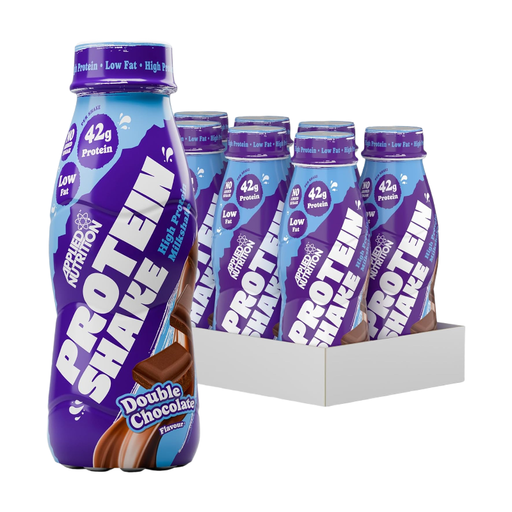
Applied Nutrition Protein Nutrition Shake Double Chocolate – 8 × 500 ml
The 500 ml bottle is a different portion size from the 330 ml Applied Nutrition option, so compare nutrition per bottle as well as per 100 ml. It contains milk; after opening, refrigerate it and consume within 24 hours.
View on Joybuy
 No image available
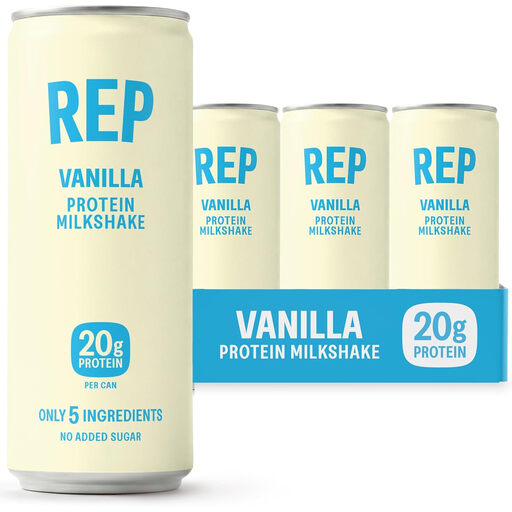
REP Protein Shakes Vanilla Flavour – 8 × 250 ml
This 250 ml can offers a smaller single portion for comparing with the bottled options. Check its carbohydrate and protein for the whole can if using it after a ride. It contains milk; refrigerate after opening and consume within 24 hours.
View on Joybuy
Questions about milkshakes and cycling
Does low fat tell me whether a milkshake suits my ride?
No. Fat content alone does not tell you how much carbohydrate, sugars or protein the drink provides. Compare the nutrition panel for your portion with when you plan to drink it; the British Dietetic Association notes that carbohydrate requirements depend on the training programme and increase with harder, longer sessions.
Should I take a milkshake on the bike?
Do not rely on the word “milkshake” to decide whether it fits an on-bike plan. For rides over 90 minutes, British Cycling advises eating from the start and taking fluid regularly. Check the drink’s carbohydrate amount, portion and storage instructions against what you intend to carry and consume during the ride.
When should I compare higher-protein shakes?
Compare them when choosing a drink after a longer ride, particularly if your next meal will be delayed. British Cycling advises prioritising protein after rides longer than 90 minutes and adding carbohydrate to a recovery drink when a meal is more than an hour away. Read both amounts per bottle.
Is a lactose-free milkshake also milk-free?
No. Lactose-free does not mean that milk ingredients are absent: the lactose-free For Goodness Shakes product listed by Tesco contains a milk-derived ingredient. If you need to avoid milk, check the exact product’s ingredients and allergen declaration.
How long can I keep a larger carton after opening?
Follow the instructions on that carton, as products differ. Sainsbury’s says to refrigerate its own-label Chocolate Milkshake and consume it within five days of opening; its listing for Pro Mlk says to keep the carton chilled at 0–5°C and use it within three days of opening.


