Viewers wanting a ready-to-drink milkshake
If convenience matters during the match, compare the fat and sugars per 100ml, then check how much is in the bottle you plan to drink.


For a ready-to-drink milkshake during the football, compare fat per 100ml before choosing a flavour or bottle size. UK Department of Health and Social Care guidance describes a low-fat claim for liquids as no more than 1.5g fat per 100ml; Yazoo Banana lists 1.1g, while Tesco lists Arla Protein Strawberry & Raspberry at 0.9g. Also compare sugars and the amount you expect to drink, and check milk ingredients if lactose or cow's-milk allergy affects your choice.
If convenience matters during the match, compare the fat and sugars per 100ml, then check how much is in the bottle you plan to drink.
A protein-focused shake may be worth considering if protein content matters to you. Compare its per-100ml figures and bottle size alongside fat and sugars rather than relying on the product name alone.
A lactose-free dairy shake can still contain milk. If you need to avoid cow's-milk protein, check the allergen information rather than relying on a lactose-free label.
Start with comparable per-100ml figures, then check the portion you would actually drink during the match.
| Priority | What to check | Your needs |
|---|---|---|
| Fat | Read fat per 100ml. UK Department of Health and Social Care guidance sets no more than 1.5g per 100ml for a liquid making a low-fat claim; check that a powder's figures apply to the prepared drink before comparing it. | I want a lower-fat drink for the match, but need to compare different bottle sizes on the same basis. |
| Sugars | Compare sugars per 100ml as well as fat. Yazoo lists 8.7g sugars per 100ml for Banana; Tesco lists 4.7g per 100ml for Arla Protein Strawberry & Raspberry. | A low-fat label alone does not answer my question about sugars in the flavour I choose. |
| Portion | Check the bottle size and any stated serving size. Use the full-bottle figures if you expect to drink the whole bottle. | If I will finish the drink during a match, I want the nutrition figures for that amount, not just a smaller serving. |
| Milk suitability | Check the ingredients and allergen label. Lactose-free dairy products can still contain milk; a dairy-free alternative needs its own nutrition-label comparison. | I need to distinguish a lactose-free drink from one that contains no cow's milk. |
Yazoo lists 1.1g fat and 8.7g sugars per 100ml for its Banana milkshake: the two figures answer different questions.
Compare both figures per 100ml, then check the portion you expect to drink.
A lactose-free shake may still contain milk, which matters if cow's-milk protein must be avoided.
Check the milk allergen information. If cow's-milk allergy is diagnosed or suspected, follow appropriate clinical advice rather than relying on a lactose-free claim.
A per-100ml figure does not describe how much you will consume from a whole bottle.
Compare drinks per 100ml first, then use the pack information to assess the amount you intend to drink.
These examples refer to particular drinks, not every flavour or product made by each brand.
A conventional flavoured dairy milkshake option, illustrated here by Yazoo Banana.
A milk-based protein-shake option for shoppers comparing protein alongside fat and sugars.
A milk-based protein-drink option represented here by the Chocolate 330ml product.
These options include ready-to-drink milkshake-style yoghurt drinks and powdered meal-replacement shakes that require mixing. Check which format suits your plans for the match before comparing their labels.
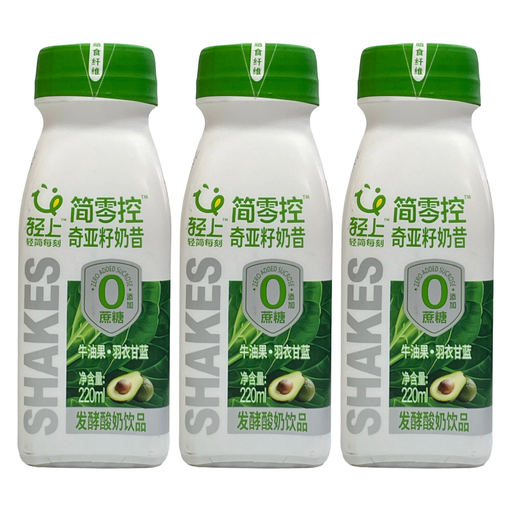 No image available
A three-bottle yoghurt-drink option for a ready-to-drink choice during the match. It contains milk and is described as a yoghurt drink rather than a conventional milkshake. Check the current ingredients and nutrition label before relying on any no-added-sugar wording.
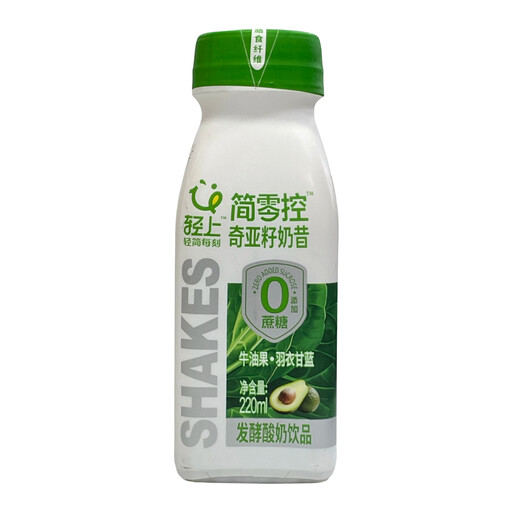 No image available
A single-bottle yoghurt-drink option for a ready-to-drink choice during the match. It contains milk and is described as a yoghurt drink rather than a conventional milkshake. Check the current ingredients and nutrition label before relying on any no-added-sugar wording.
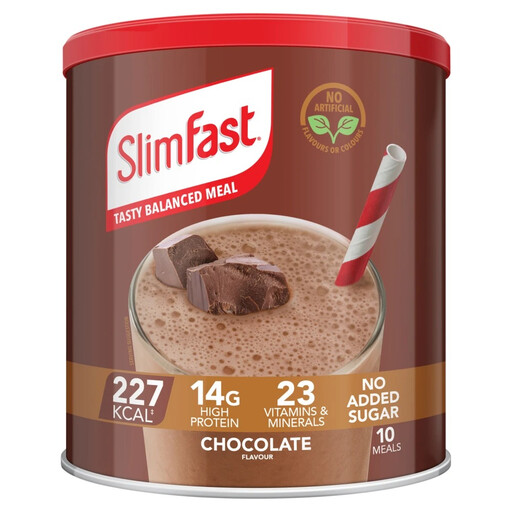 No image available
This chocolate-flavoured powder requires mixing, so it is a different choice from a ready-to-drink match snack. Check the preparation instructions and nutrition values for the prepared drink before making a per-100ml low-fat comparison. It contains milk.
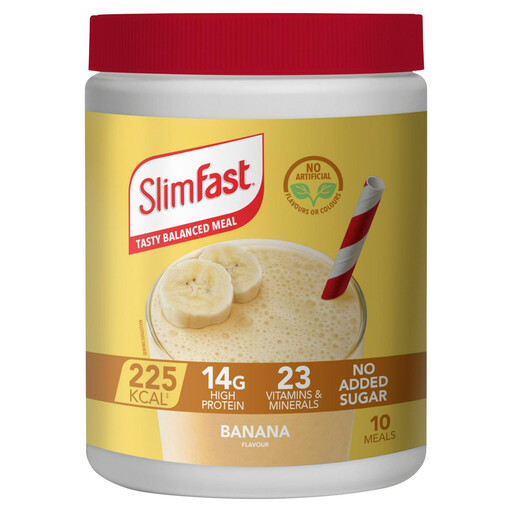 No image available
This banana-flavoured powder needs preparing before the match rather than opening and drinking. Check the preparation instructions and nutrition values for the prepared drink before making a per-100ml low-fat comparison. It contains milk.
UK Department of Health and Social Care guidance sets no more than 1.5g fat per 100ml for a liquid making a low-fat claim. Check the per-100ml panel to compare bottles of different sizes.
No. Compare sugars, saturates and the amount you expect to drink as well as fat. GOV.UK explains that traffic-light labels can help compare fat, sugar and salt, while the NHS advises checking these figures on dairy-product labels.
No. A lactose-free dairy shake can still contain milk proteins. If you need to avoid cow's milk, check the allergen label and choose a suitable dairy-free product rather than relying on its lactose-free status.
Do not assume that from a protein claim. Check the product's intended use, preparation instructions and nutrition information; a ready-to-drink protein shake and a powder labelled as a meal replacement are different products.