Parents packing dairy-permitted lunches
Compare the amount in the carton with what the child is likely to drink. Check fat and sugars per 100 ml, the current allergen declaration and the school’s packed-lunch policy before packing it.


For a back-to-school milkshake, compare fat per 100 ml, then check total sugars, bottle size and the milk allergen declaration. Tesco Groceries lists a 200 ml Yazoo No Added Sugar Chocolate carton at 1.4 g fat and 4.7 g sugars per 100 ml; its 330 ml FRijj Chocolate bottle lists 1.3 g fat but 11.4 g sugars per 100 ml. The Yazoo drink contains milk, so its lactose-reduced wording does not make it suitable for a milk-free diet.
Compare the amount in the carton with what the child is likely to drink. Check fat and sugars per 100 ml, the current allergen declaration and the school’s packed-lunch policy before packing it.
Read the nutrition panel for the exact drink and flavour. “No added sugar” and “protein” describe different features; neither tells you its fat content.
Lactose-reduced and lactose-free dairy drinks can still contain milk. If a child follows a milk-free diet, use their care plan and check the current ingredient and allergen information rather than relying on lactose wording.
Start with the figures for the exact variant, then consider the amount likely to be drunk and whether milk is permitted for the child and at school.
| Priority | What to check | Your needs |
|---|---|---|
| Fat content | Read fat per 100 ml on the exact variant. The annex published on legislation.gov.uk gives no more than 1.5 g fat per 100 ml as the criterion for a “low fat” claim on liquids, with a separate provision for semi-skimmed milk. | If I’m shopping for a low-fat milkshake, I want to compare the liquid drinks on the same per-100-ml basis, not choose by wording on the front. |
| Sugars and sweeteners | Compare total sugars per 100 ml and the amount in the pack; read the ingredients for sweeteners. Tesco Groceries lists 11.4 g sugars per 100 ml for FRijj Chocolate and says Mars No Added Sugar contains sweeteners. | A low fat figure alone doesn’t settle my choice: I also want to know how much of the bottle will be drunk and what “no added sugar” means for this drink. |
| Milk allergens | Read the current milk allergen declaration. Frimley Health NHS Foundation Trust’s guidance on a milk-free diet says to avoid milk-containing foods, including lacto-free milk. | If a child must avoid milk, I cannot use “lactose reduced” or “lactose free” as a substitute for a milk-free product. |
| Portion and packing | Check the carton or bottle volume, any portions stated on the pack, and its storage instructions before and after opening. | For a packed lunch, a 200 ml carton and a larger bottle are different amounts to plan around; I also need to follow the school’s drink and allergy rules. |
Tesco Groceries lists Mars Chocolate Flavoured Milk Drink No Added Sugar at 2.2 g fat per 100 ml and says it contains sweeteners. The annex published on legislation.gov.uk gives 1.5 g fat per 100 ml as the liquid “low fat” criterion.
Check fat per 100 ml separately from sugars, sweeteners and portion size.
Tesco Groceries lists FRijj Chocolate at 1.3 g fat and 11.4 g total sugars per 100 ml. At that listed concentration, its 330 ml bottle contains approximately 37.6 g total sugars.
Compare both per-100-ml figures, then consider how much of the bottle the child is likely to drink. Total sugars on a milk drink should not be treated as identical to free sugars.
A dairy drink can have reduced or no lactose and still contain milk. Frimley Health NHS Foundation Trust’s guidance says that milk-containing foods and lacto-free milk should be avoided on a milk-free diet.
For a child who must avoid milk, follow their care plan and check the current allergen declaration.
These figures refer to the named variants in Tesco Groceries listings, not every drink made by each brand; compare them with the current pack.
No Added Sugar Chocolate Milk Drink comes in six 200 ml cartons.
The chocolate milkshake is sold as a 330 ml bottle.
Chocolate Flavoured Milk Drink No Added Sugar is listed as a 400 ml bottle.
Strawberry and Raspberry Flavoured Milk Shake is listed as a 482 ml bottle.
These are single-bottle and three-bottle options for the same LIGHT UP ready-to-drink milkshake yoghurt drink. For a dairy-permitted lunch, compare the pack format and check the current nutrition and allergen label before choosing.
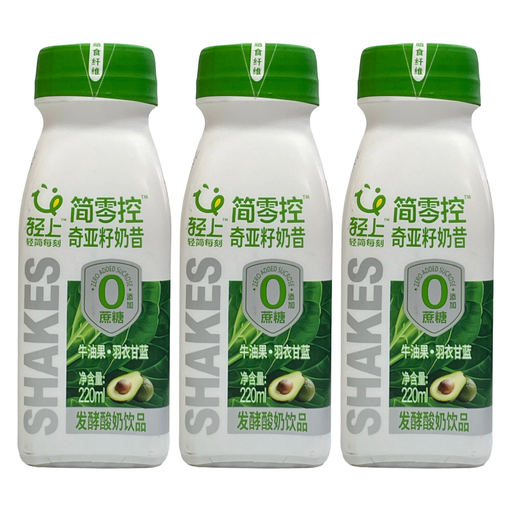 No image available
For a dairy-permitted lunch, this pack contains three individually sized 220 ml bottles. It is described as a yoghurt drink as well as a milkshake and contains milk. Check the current fat and sugars figures, sweetener information and allergen declaration on the pack.
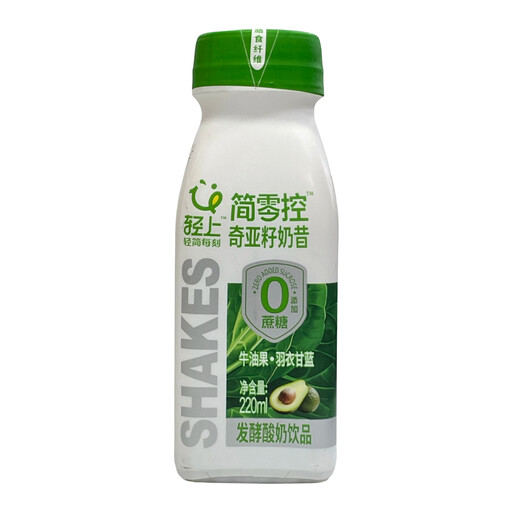 No image available
The single 220 ml bottle lets you choose one portion rather than a three-bottle pack. This milk-containing product is also described as a yoghurt drink, so check the current pack for its fat, sugars, sweetener and allergen information.
No. Tesco Groceries lists Mars Chocolate Flavoured Milk Drink No Added Sugar at 2.2 g fat per 100 ml and says it contains sweeteners. Check fat and sugars separately; the annex published on legislation.gov.uk gives 1.5 g fat per 100 ml as the liquid “low fat” criterion.
No. Tesco Groceries lists FRijj Chocolate at 1.3 g fat but 11.4 g total sugars per 100 ml. Compare both figures and the amount likely to be drunk from its 330 ml bottle.
No: lactose-free dairy is not milk-free. Frimley Health NHS Foundation Trust’s guidance on a milk-free diet says to avoid milk-containing foods and lacto-free milk. Follow the child’s care plan and check the current allergen declaration.
Check the individual school’s packed-lunch and allergy policies before packing one. In England, the Department for Education’s school-food standards govern food and drink provided to pupils by state-funded schools; they do not answer whether a particular parent-packed drink is permitted.
Follow the storage instructions on that pack. The Yazoo, FRijj and Mars listings discussed here instruct customers to refrigerate after opening and consume within three days, but other products or formats may have different instructions.