People packing a drink with lunch
A ready-to-drink flavoured milk is convenient when lunch includes other food. Check sugars, fat and saturates for the quantity you plan to drink, not just a front-of-pack claim.


For a drink alongside lunch, compare fat, saturates and sugars per 100 ml and for the amount you will actually drink. Choose a protein shake if that is the type of drink you want alongside food; choose a meal-replacement shake only if you intend to follow its preparation and use instructions. An ordinary low-fat flavoured milk drink is not automatically a complete lunch.
Start with the role the drink will play at lunch: something to have with food, a protein shake alongside food, or a product intended to replace a meal.
A ready-to-drink flavoured milk is convenient when lunch includes other food. Check sugars, fat and saturates for the quantity you plan to drink, not just a front-of-pack claim.
Compare protein and sugars per bottle if the shake will accompany lunch. Check the exact product label if lactose avoidance matters; a lactose-free dairy shake can still contain milk.
Look for a product explicitly intended as a meal replacement, and check its preparation and use instructions. Do not assume an ordinary flavoured milk or protein shake serves the same purpose.
Decide what the drink is for, then compare nutrition on the same prepared basis and for the amount you will consume.
Choose when: You want a ready-to-drink milkshake alongside food.
Bear in mind: Reduced-sugar or no-added-sugar wording does not mean the drink contains no sugars.
Choose when: Protein content is a particular reason for choosing the drink alongside food.
Bear in mind: A protein shake is not automatically intended to replace lunch.
Choose when: You specifically intend to use a product labelled for meal replacement.
Bear in mind: Preparation and use directions matter; this is not simply a lower-fat version of an ordinary milkshake.
| Priority | What to check | Your needs |
|---|---|---|
| Fat and portion | Compare fat and saturates per 100 ml, then check the bottle size or prepared serving. Use the same basis when comparing drinks. | I want to know what is in the amount I will actually drink, not just whether the pack says low fat. |
| Total sugars | Read the sugars line even when the pack says no added sugar. Check ingredients for sweeteners if they matter to you. | A no-added-sugar claim is useful to me only alongside the drink’s total sugars figure. |
| Purpose and protein | Check whether the product is flavoured milk, a protein shake or an intended meal replacement. Compare protein per bottle or prepared serving without assuming it replaces a meal. | Am I having a drink with lunch, or choosing a product specifically intended to replace lunch? |
| Preparation | For a powder, read the quantity of powder and type and amount of milk used for its nutrition figures. Follow the pack directions. | If I mix a shake myself, I want its label figures to match how I will prepare it. |
| Allergens and storage | Read the exact pack’s allergen statement, storage directions and instructions for use after opening. Check lactose-free wording separately from milk ingredients. | The drink needs to suit my ingredient requirements and the way I store lunch. |
A lower fat figure does not describe the drink’s sugars or establish that it replaces food. Sainsbury’s lists 1.2 g fat and 8.9 g sugars per 100 ml for its Chocolate Milkshake.
Compare saturates, sugars and the quantity you will drink as well as fat. Treat an ordinary milkshake as a drink alongside lunch rather than assuming it is lunch.
The Frijj and Mars products listed by Tesco Groceries both have sugars in their nutrition panels despite their no-added-sugar wording.
Read total sugars per 100 ml and for the amount you expect to drink; check the ingredients if you have a preference about sweeteners.
Arla Protein and For Goodness Shakes are described as protein shakes, while the researched SlimFast powder has a stated meal-replacement role and directions.
Choose according to that intended role. If replacing lunch is the aim, read and follow the directions for a product explicitly intended for it.
The researched dairy drinks contain milk, and the Mars drink also contains barley. Storage instructions vary by product.
Check the exact pack’s allergens and storage directions. A lactose-free claim does not mean a dairy drink is free from milk.
These label examples show why the product and serving basis matter more than a brand name alone; they are not a list of products available from Joybuy.
Ready-to-drink flavoured milk for shoppers looking for a conventional chocolate drink with lunch.
A ready-to-drink reduced-sugar chocolate milkshake option.
A chocolate-flavoured milk drink with no added sugar stated on the researched product.
A powdered chocolate milkshake mix for preparing a drink rather than carrying a ready-to-drink bottle.
A larger chilled chocolate milkshake carton that can be portioned at home.
A protein-shake option to compare when choosing a drink alongside lunch.
A chocolate protein shake to compare separately from conventional milkshakes.
These options cover a ready-to-drink yoghurt beverage to have with food and a strawberry meal-replacement shake for a different lunch purpose. Check the exact pack before treating either as suitable for your plan.
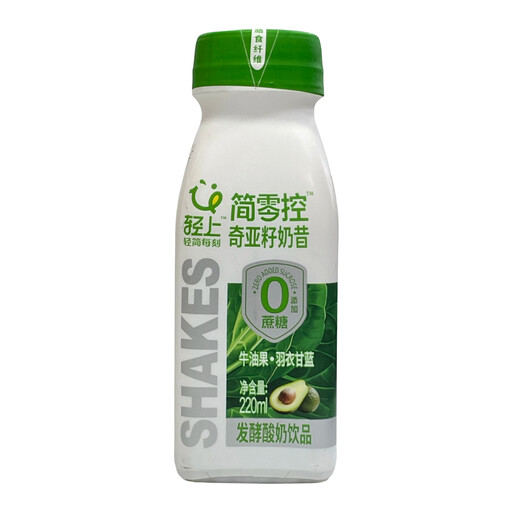 No image available
This ready-to-drink yoghurt beverage is an option to consider alongside lunch, rather than as a complete lunch. Check the current pack’s ingredients and nutrition panel against any no-added-sugar wording before choosing it.
 No image available
This strawberry meal-replacement shake is for a different purpose from a drink alongside lunch. Follow the pack’s preparation and use directions, and check its prepared-serving nutrition and allergen statement for your intended use.
No. The Frijj and Mars drinks listed by Tesco Groceries both have sugars in their nutrition panels. Read the total sugars per 100 ml and check the quantity you will drink.
Do not assume it can. An ordinary flavoured milk drink can accompany food, while a meal-replacement product has a different stated purpose and use instructions. The NHS Eatwell Guide describes balance across food groups over the day or week, rather than judging lunch by a single drink.
Compare them only on a like-for-like prepared basis. Tesco Groceries gives nutrition for its No Added Sugar Chocolate Flavoured Milkshake Mix as a 13 g serving made with 200 ml semi-skimmed milk; using another milk changes the finished drink.
No. The Arla Protein Strawberry & Raspberry and For Goodness Shakes Protein Chocolate products described as lactose free are milk-based. Check the exact pack’s allergen statement.
Follow the directions on the exact pack, as they vary by product. The researched Frijj product directs refrigeration and use within three days of opening; do not apply that period to another drink.