Shoppers carrying a pocket mint
A roll or tin may suit an after-meal or on-the-go routine. Check total fat per 100g and the portion you expect to eat: a smaller mint is not automatically lower in fat.


Choose a small mint by its nutrition panel, not the word “mini”. The Department of Health and Social Care sets the UK low-fat threshold for solid foods at no more than 3g fat per 100g; then check your likely portion and whether sugars, sweeteners or ingredients matter to you. A prescribed very-low-fat diet needs individual guidance rather than an assumption based on a general low-fat label.
A roll or tin may suit an after-meal or on-the-go routine. Check total fat per 100g and the portion you expect to eat: a smaller mint is not automatically lower in fat.
Compare sugars as well as fat. For a sugar-free mint, read the sweetener ingredients and any on-pack warning rather than assuming it suits frequent use.
Follow your individual clinical instructions. A Leeds Teaching Hospitals NHS Trust leaflet for chyle-leak management distinguishes boiled sweets or mints from butter mints, but its guidance is for that specific restrictive diet.
Start with the per-100g fat figure for a consistent comparison, then use the stated serving and ingredients to decide which format fits your routine.
| Priority | What to check | Your needs |
|---|---|---|
| Total fat | Compare total fat per 100g. The Department of Health and Social Care sets the UK low-fat threshold for solid foods at no more than 3g per 100g; also check the amount you plan to eat. | I want to compare different mint sizes without mistaking a tiny serving for a lower-fat product. |
| Sugars and sweeteners | Read sugars per 100g separately from fat. For sugar-free mints, check the named sweeteners and warnings; POLO Sugar Free carries an excessive-consumption laxative-effect warning. | Reducing sugars matters to me as well as reducing fat, so a standard sweetened mint may not meet both aims. |
| Pack and portion | Choose between a roll, tin and larger bag for how you will use it. Check the stated number or weight of mints per serving before comparing portion figures. | A pocket pack suits my journey, or I would rather keep a bag at home; either way, I want to know what counts as one serving. |
| Ingredients and warnings | Check the exact variant for gelatine, sweeteners and relevant warnings. Sainsbury's lists gelatine in Trebor Extra Strong Peppermint; Waitrose labels its Mint Imperials suitable for vegans. | Ingredient suitability matters to me, so I cannot judge a mint by its size or fat figure alone. |
Sugar-free describes sugars, not total fat. POLO Sugar Free also contains sorbitol and carries an excessive-consumption laxative-effect warning.
Check fat per 100g separately, then read the sweetener ingredients and warnings if you expect to have mints frequently.
Serving sizes differ between products. The NHS uses fat per 100g as the common basis for identifying a low-fat food.
Compare per-100g figures first, then use each pack’s stated serving to assess the number of mints you are likely to have.
A Leeds Teaching Hospitals NHS Trust leaflet for a specific very-low-fat clinical diet distinguishes mints from butter mints and chocolate sweets.
Check the nutrition panel for the exact sweet rather than applying the figures for a plain pressed or hard mint to another type.
A low fat figure does not establish vegetarian suitability or remove warnings about small sweets. Trebor Extra Strong Peppermint contains gelatine, while POLO Sugar Free carries a choking warning concerning young children.
Read the ingredients and warnings for the exact product and variant before buying.
These examples show why the nutrition panel and ingredients matter even among familiar mint formats; they do not describe every product from each brand.
Original and Sugar Free pressed mints are available in compact roll multipacks.
Extra Strong Peppermint is a standard sweetened mint sold in rolls.
Waitrose Mint Imperials are small hard mints in a 200g bag rather than a pocket roll.
These options cover portable sugar-free mint tins and a larger bag of Mint Imperials. Compare the current label for the exact pack, particularly if you track portions or sugars as well as fat.
 No image available
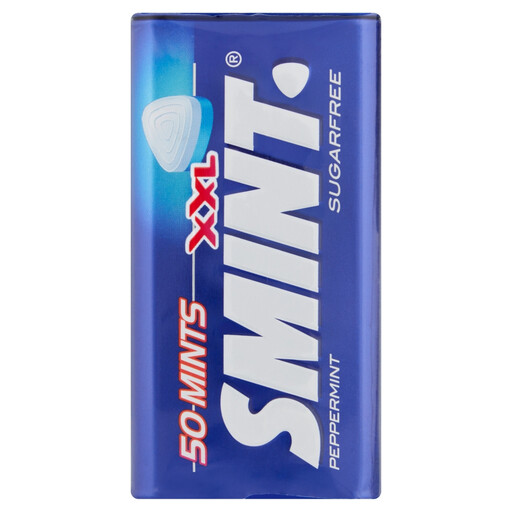
A peppermint tin to consider when you want a portable sugar-free mint. Check the current tin’s sweetener ingredients because the product descriptions give conflicting details; also heed its warning about young children.
 No image available
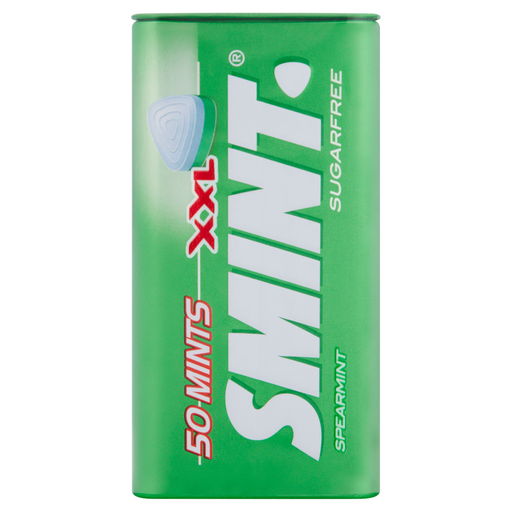
A spearmint tin for carrying rather than a roll or sharing bag. If portion tracking matters, check the current pack for its serving size; the product information also cautions against use by young children.
 No image available
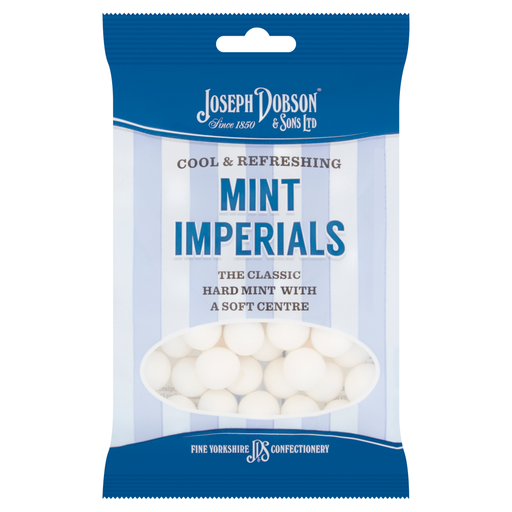
A larger pack of small hard mints to consider for keeping at home or sharing. Product descriptions disagree on the exact fat and sugars figures, so use the current pack label for nutritional comparisons and portion tracking.
The Department of Health and Social Care states that a solid food making a UK “low fat” claim must contain no more than 3g fat per 100g. Compare that figure on the nutrition panel before looking at the serving you expect to eat.
No. “Mini” describes the mint’s size or format, not its fat content. Compare total fat per 100g, then check how many mints make up the stated serving.
No. Sugar-free and low-fat describe different properties. Tesco lists POLO Sugar Free at 0.5g fat and 0.5g sugars per 100g, but the product carries an excessive-consumption laxative-effect warning; standard sweetened mints can also be low in fat while containing substantially more sugars.
A Leeds Teaching Hospitals NHS Trust leaflet for chyle-leak management lists boiled sweets or mints while distinguishing butter mints. That guidance applies to a specific restrictive diet, so follow your own clinician’s or dietitian’s instructions rather than treating any mint as automatically suitable.
Read the current pack’s per-100g nutrition, serving information, ingredients, allergen information and warnings for the exact variant. This is especially useful when comparing sugar-free sweeteners, checking vegetarian suitability or deciding how to portion a larger bag.