What should you check before choosing?
Start with the person’s appetite and weight trend, then compare the nutrition panel on the exact drink and the amount they are likely to use.
| Priority |
What to check |
Your needs |
| Energy and protein |
Compare energy and protein per 100 ml or per serving. Consider appetite, weight trend and whether meals supply enough protein; seek clinical advice if intake or weight is a concern. |
If someone is eating little or losing weight without intending to, I do not want a low-calorie drink to take the place of more substantial food or drink. |
| Added nutrients |
Read the ingredients and nutrition panel for calcium, iodine, vitamin B12 and vitamin D on the exact variant. Check the amounts if the drink regularly replaces dairy milk. |
When oat drink is part of my daily routine rather than an occasional splash in tea, I want to know which nutrients it actually provides. |
| Fat and serving size |
Compare fat and energy on the same measurement basis, such as per 100 ml. Check how much is used in cereal, drinks or cooking before judging the contribution of a serving. |
I am looking for a lower-fat option because it fits an advised plan, not because a low-fat label alone tells me whether it suits an older person. |
| Allergen suitability |
Read the current carton’s ingredient, gluten and wheat-allergy statements, including any precautionary allergen wording. Recheck when changing products. |
For someone with coeliac disease or a food allergy, I need to check the individual drink rather than assume every oat drink from one brand is suitable. |
Which brands are relevant?
These are references for comparing oat-drink labels, not a list of products all suited to the same nutritional goal.
Oatly
Oat Drink Fibre Low-Cal Edition illustrates a low-calorie, fortified option for someone whose plan calls for lower energy intake.
- Oatly lists 20 kcal and 0.8 g fat per 100 ml, alongside added calcium, iodine and vitamins D2, B2 and B12.
- The product lists less than 0.5 g protein per 100 ml; it should not stand in for protein-containing foods.
M&S
Its Plant Kitchen Semi and Only 3 Ingredients oat drinks show why two lower-fat products need separate fortification checks.
- M&S lists added calcium, iodine, vitamin B12 and vitamin D for Plant Kitchen Semi Oat Drink.
- M&S states that Only 3 Ingredients Oat Drink is not fortified.
Minor Figures
Everyday Oat is presented for uses including cereal and tea, rather than as a dedicated low-fat choice.
- Minor Figures lists added calcium, vitamin D, riboflavin, vitamin B12 and iodine.
- Its nutrition profile should be checked against the person’s energy and protein needs rather than treated as a nutrition drink.
Alpro
Its oat-drink variants include products described as Original and No Sugars; the name alone does not establish fat content or nutritional suitability.
- Compare the exact variant’s per-100-ml values when selecting a drink for regular use.
- Check the current carton for protein and the amounts of any added nutrients.
Tesco
Tesco’s oat-drink assortment offers a place to compare branded and own-label cartons.
- Compare products using the same per-100-ml or per-100-g basis shown on their labels.
- Do not infer an own-label drink’s fortification or fat content from its place in the oat-drink category.
Sainsbury's
For a Sainsbury's oat drink, the individual carton is the basis for deciding whether it fits the intended use.
- Check its current nutrition panel, added nutrients and allergen statement before using it regularly in place of dairy milk.
Joybuy oat drink options
These oat drinks provide options for comparing fat, protein and named added nutrients when an older adult is maintaining weight and considering a lower-fat everyday drink. Their product details do not make them substitutes for advice about poor appetite or unintentional weight loss.
 No image available
Alpro Oat No Sugars Long Life Drink, 8 × 1L
For an everyday oat drink used with cereal, tea or coffee, the listing gives 43 kcal, 1.2 g fat and 0.9 g protein per 100 ml. It names added calcium, iodine and vitamins B2, B12 and D2; check the carton for their amounts. The protein value means it should not be relied on to address low protein intake.
View on Joybuy
 No image available
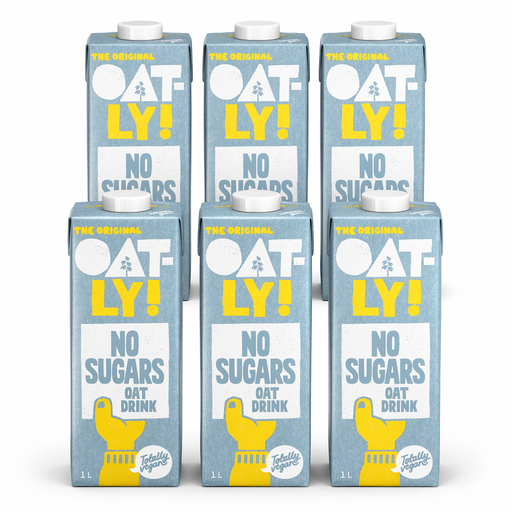
Oatly No Sugars Oat Drink, 6 × 1L
For a lower-fat everyday option, the listing gives 44 kcal, 1.5 g fat and 1 g protein per 100 ml. It names added calcium, iodine and vitamins D2, B2 and B12; check the carton for their amounts. This is a different product from Oatly Oat Drink Fibre Low-Cal Edition, and its protein value should be considered alongside the rest of the diet.
View on Joybuy
 No image available
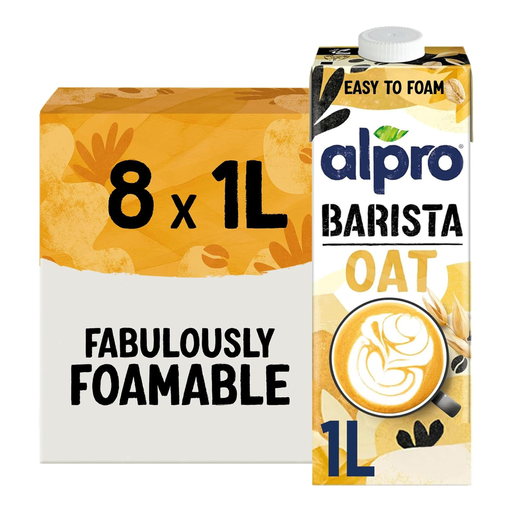
Alpro Barista Oat Long Life Drink, 8 × 1L
For someone choosing oat drink mainly for coffee, the listing describes heating and frothing and gives 43 kcal, 1.4 g fat and 0.8 g protein per 100 ml. It names calcium and vitamins B2 and D2; check the current carton for nutrient amounts and for iodine or vitamin B12 if either matters to the diet. Its protein value does not address poor intake on its own.
View on Joybuy
Questions about oat drinks for older adults
Is a low-fat oat drink a good default for an older person?
No. It may fit someone maintaining weight who has a clinician-supported reason to reduce fat or calories and gets enough protein elsewhere. For poor appetite or unintentional weight loss, NHS malnutrition guidance instead focuses on calorie- and protein-rich foods and drinks.
What should I check if oat drink regularly replaces dairy milk?
Check the exact carton for calcium, iodine, vitamin B12 and vitamin D, including the amounts provided, and compare its protein value. The UK government’s SACN and COT assessment notes that plant-based drinks vary considerably in nutrient content, so one oat drink’s label cannot stand in for another’s.
Does fortification mean an oat drink provides enough protein?
No. Added vitamins and minerals do not establish the protein content. For example, Oatly Oat Drink Fibre Low-Cal Edition lists less than 0.5 g protein per 100 ml, while M&S Plant Kitchen Semi Oat Drink lists 0.2 g per 100 g. Check protein separately and seek a dietitian’s advice if intake or weight is a concern.
When should a carer seek advice before switching to low-fat oat drink?
Speak to a GP if there is unintentional weight loss, low intake, difficulty swallowing or concern about malnutrition rather than making a low-calorie switch on your own. The NHS identifies adults aged 65 and over as particularly at risk of malnutrition.
How do I check an oat drink for gluten or allergy concerns?
Read the current carton’s ingredients and suitability statements, including any precautionary allergen wording. The M&S drinks discussed here state that they are not suitable for coeliacs or people with wheat allergy; do not assume another product has the same statement or that changing brands resolves an allergy concern.


