What should you compare?
Start with the nutrition panel per 100g to compare different cake sizes, then look at the portion you would actually eat and the pack’s ingredient and allergen information.
| Priority | What to check | Your needs |
|---|
| Carbohydrate |
Compare carbohydrate per 100g and the weight of a cake. Kallo, Tesco, Sainsbury’s, Asda and M&S list 77.0–82.3g per 100g across the plain or lightly salted products considered here. |
After a demanding session, I want a convenient carbohydrate component, particularly if I will be training again soon. |
| Fat and flavour |
Read fat per 100g rather than judging by a flavour name or calories per cake. The plain or lightly salted products listed by Kallo, Tesco, Sainsbury’s, Asda and M&S contain 2.5–2.9g fat per 100g; check each flavoured variety separately. |
I’d like a plain base for another food, or I may prefer a ready-flavoured cake if its particular nutrition panel suits me. |
| Protein |
Check protein for the serving you plan to eat, not just per 100g. The listed plain or lightly salted products contain 8.5–9.6g protein per 100g, but an individual cake is a much smaller portion. |
If I want protein as part of my post-gym snack, I need to consider what I eat alongside the rice cakes. |
| Portion size |
Compare per-100g figures first, then the per-cake or per-pack figures. Snack a Jacks lists nutrition by flavour and format, including 23g multipack portions; these are not the same serving size as every plain cake. |
A pre-portioned pack may be convenient, but I want to know what its stated serving contains. |
| Allergens |
Read the current pack’s ingredients and may-contain statement. Asda’s listing for Kallo Organic warns of possible milk, sesame and soya; Sainsbury’s says its vegan-recipe lightly salted cakes are unsuitable for customers with a milk allergy. |
For an allergy or dietary restriction, I need a product-specific label check rather than an assumption about rice cakes generally. |
Rice cakes on Joybuy
These options include a plain lightly salted cake and two ready-flavoured rice cakes. Compare each variety’s current pack information before choosing it for a post-gym snack.
 No image available
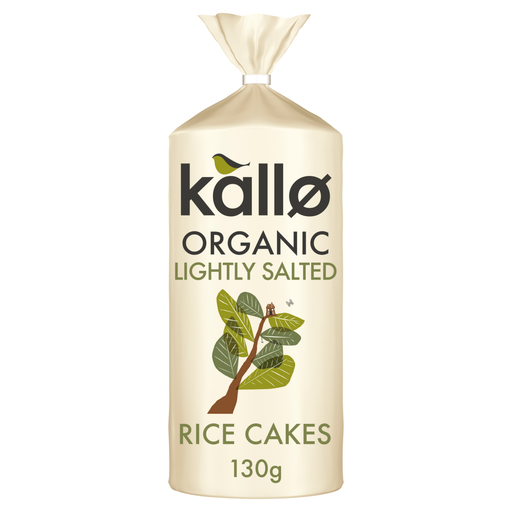
Kallo Organic Lightly Salted Rice Cakes 130g
A lightly salted option if you want a plain base for another food after training. Asda’s listing for this organic variety gives 2.7g fat, 82.3g carbohydrate and 8.5g protein per 100g, and warns that it may contain milk, sesame and soya. Check the current pack before eating.
View on Joybuy
 No image available
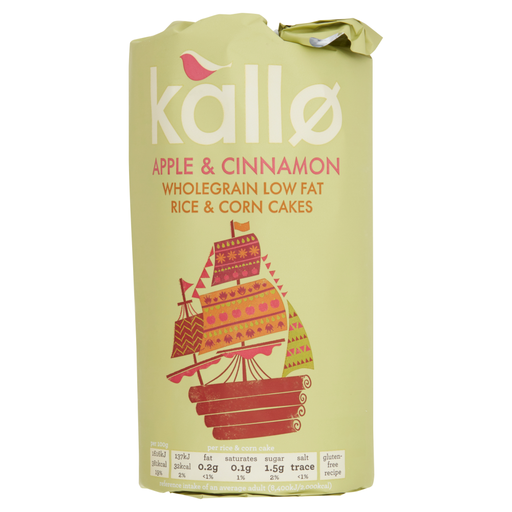
Kallo Jumbo Apple & Cinnamon Rice Cakes 127g
An apple-and-cinnamon-flavoured Jumbo option if you would rather eat a ready-flavoured cake than add a topping. Compare its current per-100g nutrition and allergen statement with any plain variety you are considering.
View on Joybuy
 No image available
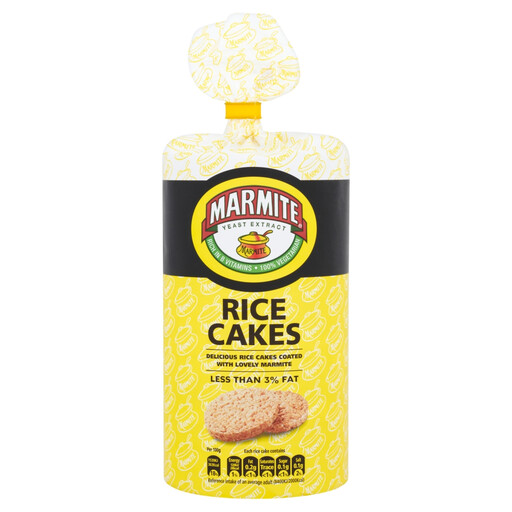
Marmite Rice Cakes 110g
A savoury ready-flavoured option rather than a plain base for toppings. Check the current pack’s nutrition and ingredient list, particularly if you need to avoid gluten-containing cereals or celery.
View on Joybuy
Questions about post-gym rice cakes
Are rice cakes enough on their own after a workout?
A plain rice cake can be the carbohydrate component of a snack, but it contributes little protein as an individual cake. The British Dietetic Association advises prompt carbohydrate refuelling when quick recovery is needed after exercise; if you also want protein in the snack, consider a suitable food alongside the cakes.
Should I choose plain or flavoured rice cakes?
Choose plain or lightly salted cakes if you want a base for another food; choose a flavoured format if you prefer to eat it as supplied. Compare the specific products per 100g before looking at portions: Snack a Jacks lists 1.7–1.9g fat per 23g pack for the multipack flavours described here, while pack sizes and nutrition vary by format.
Can a gluten-free or vegan-recipe rice cake still carry an allergen warning?
Yes. Asda lists Kallo Organic Lightly Salted Wholegrain Rice Cakes as gluten free but warns that they may contain milk, sesame and soya. Sainsbury’s says its lightly salted wholegrain cakes are prepared to a vegan recipe but unsuitable for customers with a milk allergy because of manufacturing methods. Read the current pack for the exact variety.
How should I compare cakes of different sizes?
Compare fat, carbohydrate, protein, sugars and salt per 100g first, then check the figures for the cake or pack you intend to eat. GOV.UK’s nutrition-labelling guidance uses per-100g information as a common basis, which helps when individual cakes and multipack portions have different weights.
How should I store rice cakes once opened?
Follow the storage instructions on the pack you buy. The Kallo, Tesco, Asda, Sainsbury’s and M&S product information considered here advises airtight storage after opening.


