Organisers handing out individual drinks
Ready-to-drink bottles can be distributed without pouring. Check the size and whether each bottle is sealed before planning one per attendee.


For a low-fat milkshake at a work meeting, check fat per 100ml before choosing a bottle size: the UK limit for a low-fat claim on liquids is 1.5g per 100ml. Individual bottles avoid pouring drinks during the meeting; a larger bottle needs chilled storage and a serving plan. Check milk allergens separately from lactose-free wording, and do not treat “no added sugar” as proof of low fat.
The serving arrangement and attendees’ dietary requirements determine which labels to check alongside the fat figure.
Ready-to-drink bottles can be distributed without pouring. Check the size and whether each bottle is sealed before planning one per attendee.
Check for lactose-free wording on the exact drink, then read its ingredients. The cited lactose-free protein shakes still contain milk and are not dairy-free alternatives.
A larger bottle calls for cups, clean serving arrangements and refrigeration where its label requires it. Check how long it can be kept after opening.
Start with fat per 100ml, then match the pack and ingredient information to the people and serving arrangements at the meeting.
| Priority | What to check | Your needs |
|---|---|---|
| Low-fat claim | Read fat per 100ml, rather than fat per serving. The UK low-fat claim limit for liquids is no more than 1.5g per 100ml, according to legislation.gov.uk; its 1.8g exception applies to semi-skimmed milk. | I want a drink that meets the low-fat liquid limit, whatever its bottle size or front-of-pack wording. |
| Allergens | Check the exact flavour’s ingredients and allergen declaration for milk and any other declared allergens. Check lactose-free wording separately: it does not mean milk-free. | Attendees’ dietary requirements need to be checked before I choose drinks for the group. |
| Serving format | Compare bottle size with the stated servings. For a shared bottle, check refrigeration instructions and the period for use after opening. | Individual bottles would avoid pouring during the meeting; I would use a shared bottle only with cups and suitable chilled storage. |
| Sugar wording | Assess fat, sugars and any sweeteners as separate label details. Tesco Groceries lists 2.2g fat per 100ml for the Mars no-added-sugar drink and 1.9g for FRIJJ Zero Added Sugar Chocolate; neither meets the low-fat liquid limit. | If I am comparing reduced-sugar flavours, I still need to check their fat figures. |
These describe different aspects of a drink. The Mars and FRIJJ products listed by Tesco Groceries at 2.2g and 1.9g fat per 100ml respectively exceed the UK low-fat liquid limit of 1.5g per 100ml.
Use fat per 100ml as the low-fat check; consider sugars and sweeteners separately.
The cited Arla Protein and For Goodness Shakes lactose-free drinks contain milk ingredients, so they do not meet a need to avoid milk.
Ask about milk allergy separately from lactose-free preferences and check the exact pack’s ingredient and allergen information.
Tesco Groceries lists the 750ml Shaken Udder Vanillalicious bottle as three 250ml servings, with storage at 1–5°C and use within two days of opening.
Arrange clean cups and refrigeration before choosing a shared bottle; otherwise, consider individual drinks.
Attendees need information for the particular flavour and pack they will be offered, especially when milk or another ingredient matters to them.
Check the ingredients, allergens, nutrition and storage instructions on the bottles received before serving them.
These examples illustrate different label and serving considerations; the figures apply to the named products, not every drink from each brand.
Strawberry Milk Drink is a ready-to-drink 400ml flavoured milk option.
Vanilla Flavoured Milk Shake is a lactose-free dairy option in a 482ml bottle.
Protein Chocolate is a lactose-free, milk-based shake in a 330ml bottle.
Chocolate milkshakes include a Zero Added Sugar variant.
Chocolate Flavoured Milk Drink No Added Sugar is a 400ml milk drink.
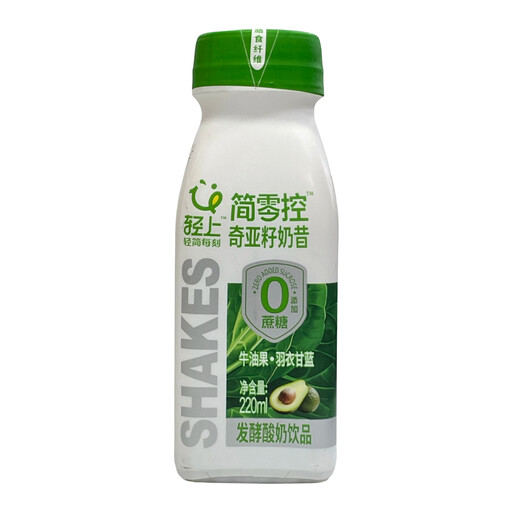
This 220ml ready-to-drink option is presented as a milkshake in its title but described as a smoothie or yoghurt drink. Check whether that style suits the meeting if you want a conventional flavoured milkshake.
 No image available
The 220ml ready-to-drink bottle may suit individual refreshments if the delivered units are sealed; check that before planning meeting handouts.
The listing states 1.4g fat per 100ml, within the UK low-fat liquid limit. It identifies milk and sucralose, and describes the drink as smoothie- or yoghurt-style rather than a conventional milkshake; check the exact pack for ingredients and allergens.
For a low-fat claim on a liquid, the limit is 1.5g fat per 100ml, according to legislation.gov.uk. Its 1.8g-per-100ml exception applies to semi-skimmed milk, not milkshakes generally.
No. Tesco Groceries lists 2.2g fat per 100ml for Mars Chocolate Flavoured Milk Drink No Added Sugar and 1.9g for FRIJJ Zero Added Sugar Chocolate. Both exceed the UK low-fat liquid limit of 1.5g per 100ml.
Not if they need to avoid milk ingredients. The cited lactose-free Arla Protein and For Goodness Shakes products are milk-based, so check the exact pack and establish the attendee’s requirement before choosing a drink.
Check the ingredients and allergen declaration on every flavour you plan to serve. The cited shakes contain milk, while Tesco Groceries also declares barley in the Mars no-added-sugar drink.
Yes, if you can pour it cleanly and follow its storage instructions. Tesco Groceries lists three 250ml servings for Shaken Udder Vanillalicious 750ml and specifies storage at 1–5°C and use within two days after opening.