What should you check?
Start with the per-100g figure to compare products on the same basis, then check the portion and the exact pack you intend to buy.
| Priority | What to check | Your needs |
|---|
| Total fat |
Read total fat per 100g, rather than relying on the bar’s size or a front-of-pack claim. The NHS low-fat benchmark for foods is 3g or less per 100g. |
If I need a bar that meets the low-fat benchmark, I need to check the exact product’s current label before choosing a multipack. |
| Portion |
Check the weight and fat content of one bar or serving. In Nature Valley UK’s Crunchy Variety pack, the listed 42g portion contains two bars and 7.6g fat. |
I may eat one bar rather than a paired portion, so I want to know what the stated serving actually contains. |
| Pack format |
Check the number of bars, whether they are individually wrapped and whether a variety pack gives nutrition information for each flavour. |
For lunches or sharing, separate portions are useful only if the flavours and ingredients suit the people eating them. |
| Other claims and allergens |
Check total fat alongside protein or sugar claims. Read ingredient, allergen and precautionary statements for the exact flavour. |
A protein bar or fruit-and-nut bar might suit one preference but not my fat limit or everyone’s allergen requirements. |
Brand and product-line references
These examples show why the exact product matters more than the brand name when comparing fat content.
Eat Natural
Fruit-and-nut and protein bars with substantially different fat figures across these examples.
- Waitrose lists Soft Red Berry Fruit & Nut at 6.4g fat per 100g.
- Eat Natural lists its Dark Chocolate & Peanut Protein Bar at 36.3g fat per 100g. Neither figure meets the NHS low-fat benchmark.
TREK
A protein-bar option for shoppers comparing protein alongside fat.
- Tesco lists 12g protein per 44g TREK High Protein Choc Caramel bar.
- The same Tesco listing gives 16g fat per 100g, above the NHS low-fat benchmark.
Nature Valley
The Crunchy Variety Family Pack provides 20 bars arranged as 10 paired portions, according to Nature Valley UK.
- The paired format makes the stated serving size clear: two bars weigh 42g.
- Nature Valley UK lists 18.1g fat per 100g and 7.6g per two-bar portion.
nākd.
Peanut Butter Protein is a three-bar multipack whose protein and fat figures need separate checks.
- Tesco lists 7.6g protein per 45g bar.
- Tesco also lists 21g fat per 100g and 9.5g per bar; check peanut suitability before sharing.
Graze
Honey Oat Boost comes in a 4x30g flapjack pack.
- Tesco gives nutrition figures both per 100g and per 30g portion.
- Those figures are 22g fat per 100g and 6.7g per portion, above the NHS low-fat benchmark.
Alpen
Alpen Light Summer Fruits is listed in a 5x19g format by Tesco.
- A Tesco fat comparison for this product was verified in November 2018. Check the current pack rather than using that historical comparison to judge today’s bar.
Joybuy fruit-snack options
These portioned fruit snacks are alternatives to consider if a cereal, oat or nut bar is not essential. They are different formats, so compare their current nutrition labels with your own fat requirement before choosing.
 No image available
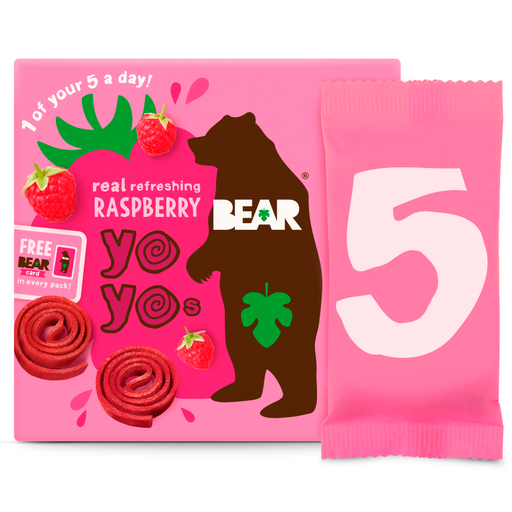
Bear Raspberry Yoyo 5 x 20g
Fruit rolls rather than cereal or oat bars, in a five-pack of 20g portions. Check the current pack’s total fat per 100g and sugar content if you are comparing them with snack bars.
Joybuy
 No image available
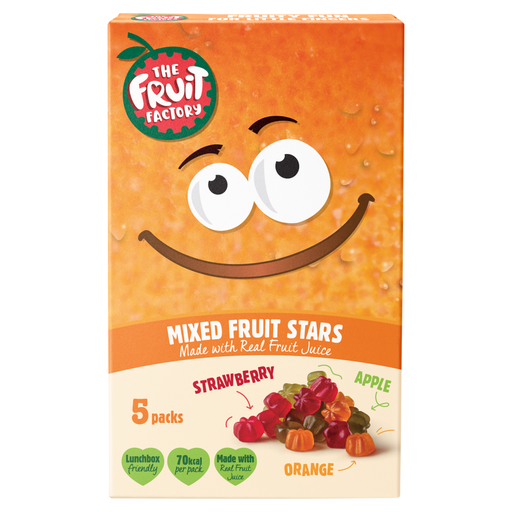
The Fruit Factory Mixed Fruit Stars 5 Packs
Mixed-fruit stars are fruit gums, not traditional snack bars. Check the current fat and sugar figures; before offering them to young children, also check the pack’s choking-hazard warning.
Joybuy
Frequently asked questions
What counts as low fat for a snack bar?
The NHS defines low fat for foods as 3g total fat or less per 100g. Check that figure on the exact solid bar; a small per-bar amount does not by itself show that the product meets the per-100g benchmark.
Does ‘light’ or ‘no added sugar’ mean a bar is low fat?
No. ‘Light’ describes a comparison with another product, while ‘no added sugar’ concerns sugar rather than fat. Check total fat per 100g against the NHS low-fat benchmark instead.
Which of these snack-bar multipacks has the least fat?
Among the five compared snack-bar multipacks, Eat Natural Soft Red Berry Fruit & Nut has the lowest listed figure, at 6.4g fat per 100g according to Waitrose. That is still above the NHS low-fat benchmark of 3g per 100g.
Will one of these bars fit a prescribed low-fat plan?
The five compared snack-bar multipacks all exceed the NHS low-fat benchmark. A prescribed plan may have its own per-snack or daily limits, so use the current label and follow the requirements given by your clinical team rather than assuming a bar fits.
What should I check before sharing a multipack?
Check each flavour’s current fat figures, ingredients, allergen declarations and precautionary statements, as well as how the bars are portioned. A variety pack or a claim on one flavour does not establish suitability for everyone sharing it.


