Breakfast shoppers checking fat
If you pour soya drink over cereal or porridge and want a low-fat option, the fat figure per 100ml is the starting point. “Light” on the front of a carton is not a substitute for that check.


For a low-fat soya drink to pour over cereal, check the nutrition panel: UK Department of Health and Social Care guidance gives a limit of 1.5g fat per 100ml for a low-fat claim on liquids. Then compare sugars and added nutrients separately—“no sugars” does not establish that a drink is low fat—and check the carton’s allergen and storage instructions.
If you pour soya drink over cereal or porridge and want a low-fat option, the fat figure per 100ml is the starting point. “Light” on the front of a carton is not a substitute for that check.
If soya drink is a regular dairy alternative, compare the carton’s calcium and any added vitamin D, vitamin B12 and iodine. Plant-based drinks do not all have the same nutrient content.
If you prefer an unsweetened or no-sugars drink, check its fat figure as well. A carton can meet that preference without meeting the low-fat limit.
Start with fat per 100ml, then compare the other label details that matter for how you will use the drink at breakfast.
| Priority | What to check | Your needs |
|---|---|---|
| Fat | Read fat per 100ml on the nutrition panel. UK Department of Health and Social Care guidance sets a maximum of 1.5g per 100ml for a low-fat claim on liquids. | For a low-fat drink with cereal or porridge, I want the carton’s figure to meet that limit, not just carry “light” wording. |
| Added nutrients | Compare calcium and any listed vitamin D, vitamin B12 and iodine. The NHS identifies unsweetened, calcium-fortified plant drinks as dairy alternatives; a 2025 UK Office for Health Improvement and Disparities summary says nutrient content varies between plant-based drinks. | If soya drink regularly replaces dairy at breakfast, I want to know what has been added to this particular carton. |
| Sugars | Check sugars and fat as separate per-100ml values. Joybuy lists Alpro Soya Milk Unsweetened at 0g sugars but 1.8g fat per 100ml, above the low-fat limit given in UK Department of Health and Social Care guidance. | I may prefer no sugars, but I do not want that wording to decide the low-fat question for me. |
| Allergens and use | Read the pack’s soya and precautionary allergen notices. If adding the drink to tea or coffee, check its preparation directions; Tesco advises adding its unsweetened soya drink before hot liquid and not mixing it with boiling water. | Breakfast needs to work with my household’s allergen requirements and the way we serve the drink. |
| Storage | Check whether the carton needs chilling before opening and follow its refrigeration and use-after-opening directions. | If I use only a little each morning, the carton size and opened-carton instructions matter. |
Joybuy lists Alpro Soya Milk Unsweetened at 0g sugars and 1.8g fat per 100ml. That fat figure exceeds the liquid low-fat limit given in UK Department of Health and Social Care guidance.
Check the sugars and fat lines separately before choosing a carton.
The UK Office for Health Improvement and Disparities’ 2025 summary says plant-based drinks vary in nutrient content. It also says drinks labelled organic in the UK cannot be fortified with nutrients.
If the drink regularly replaces dairy at breakfast, compare calcium and any added vitamins or iodine on the individual carton.
ASDA Groceries lists its unsweetened soya drink as containing soya and possibly nuts. Tesco gives specific instructions for adding its unsweetened drink to hot liquids.
Read the current pack’s allergen notices and follow its directions when using the drink in tea or coffee.
An opened carton needs to be used according to that product’s storage directions, which can affect how practical it is for an occasional breakfast drink.
Match the carton size to how often you use it, and check the label for refrigeration and use-after-opening instructions.
These examples show why the fat figure and fortification details need checking on each product, rather than across a brand as a whole.
The cited Alpro listings include a chilled Soya Light drink and no-sugars soya drinks.
Tesco Soya Drink Unsweetened is an own-label carton with declared nutrition per 100ml.
Sainsbury’s Unsweetened Soya Drink is an own-label fortified option.
ASDA Plant Based Soya Unsweetened is an own-label soya drink with declared nutrition per 100ml.
M&S Unsweetened Soya Drink lists added calcium, iodine, vitamin D and vitamin B12.
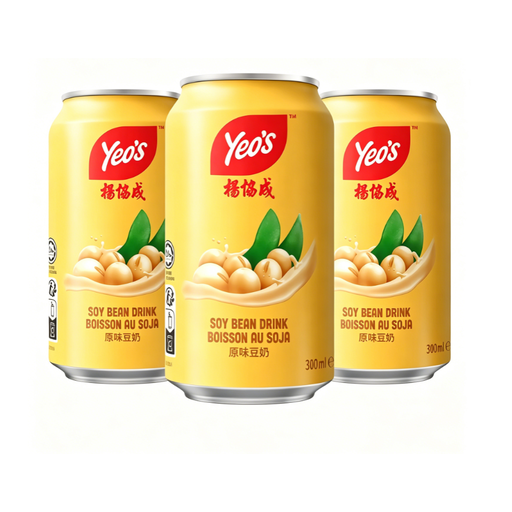
This ready-to-drink soya option is described for breakfast with cereal or toast. Its listed fat figure meets the per-100ml low-fat limit, but its sugars figure makes it a different choice from an unsweetened carton.
 No image available
A ready-to-drink option described for breakfast with cereal or toast. Its listing declares 1.1g fat and 8.3g sugars per 100ml, so check the sugars figure if you prefer an unsweetened drink. It contains soya; read the current pack’s allergen and storage instructions.
Look for no more than 1.5g fat per 100ml. UK Department of Health and Social Care guidance gives that limit for a low-fat claim on liquids; use the nutrition panel rather than relying on “light” wording.
No. Joybuy lists Alpro Soya Milk Unsweetened at 0g sugars but 1.8g fat per 100ml, above the liquid low-fat limit given in UK Department of Health and Social Care guidance. Compare both figures.
Compare the carton’s calcium and any added vitamin D, vitamin B12 and iodine. The NHS identifies unsweetened, calcium-fortified plant drinks as dairy alternatives, while a 2025 UK Office for Health Improvement and Disparities summary notes that nutrient content varies between plant-based drinks.
Check the directions for the particular carton. Tesco advises adding its Unsweetened Soya Drink before hot liquid and not mixing it with boiling water to avoid curdling; do not assume every carton has the same directions.
Read the current pack’s soya declaration and any precautionary notices. For example, ASDA Groceries lists its Plant Based Soya Unsweetened drink as containing soya and possibly nuts.