What matters when buying?
Start with separate fat and sugars checks, then choose a portion size that works for the lunch and for storing anything left at home.
| Concern |
What to check |
Who this matters to |
| Fat and sugars |
Compare both figures per 100g on the exact product, using the same drained or undrained basis. Read the ingredients and packing medium too. |
If I need a low-fat dessert, I do not want to mistake that for a low-sugar claim. For about 42% of consumers, comparing fat and sugars is the primary concern. |
| Portions and leftovers |
Check the pack size or stated servings and the instructions for storing fruit after opening. |
A lunchbox portion is easier to plan when I know what will happen to the rest of the can. Keeping portions manageable is the main concern for about 33% of consumers. |
| Fruit choice and format |
Check the fruit, pack format and whether it is in juice, syrup or jelly; compare drained weights on the same basis. |
If the pupil is unlikely to eat a particular fruit or texture, that choice may not work for lunch. For about 25% of consumers, finding an acceptable format and range of choices comes first. |
Joybuy fruit selections
These juice-packed fruit selections include individual pots and larger cans that can be portioned at home. Compare the exact nutrition-label basis and plan how to store any fruit left after opening.
 No image available
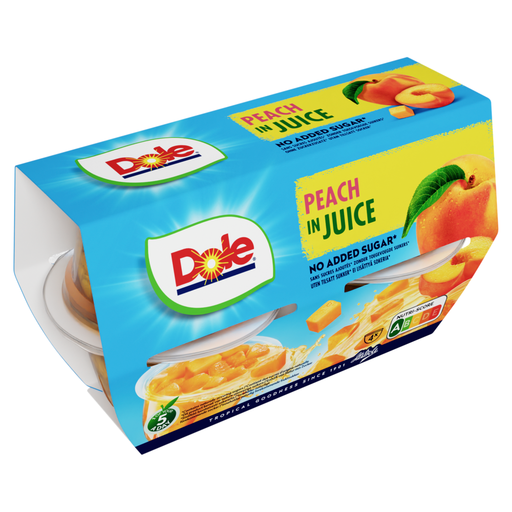
Dole Peaches in Juice, 4 × 113g
The four separate pots offer a portion-oriented format when you want to pack one without opening a larger can. Check the label’s fat and sugars figures and the basis used for comparison.
View on Joybuy
 No image available
Princes Pineapple Chunks with Juice, 432g
This larger can suits a lunch planned alongside another use for the remaining fruit. Decide how much to pack, check the nutrition figures on a comparable basis and follow the can’s storage instructions after opening.
View on Joybuy
 No image available
Del Monte Fruit Cocktail in Juice, 415g
Fruit cocktail offers a mixed-fruit option when you can portion a larger can at home. Check the amount you will serve and compare nutrition figures using the same net-content or drained basis.
View on Joybuy
 No image available
Del Monte Peach Halves in Juice, 415g
Peach halves in a larger can are an option when you can prepare a lunch portion and store the remainder as directed. Check the label’s nutrition basis before comparing them with drained-fruit figures from another product.
View on Joybuy
 No image available
Del Monte Pear Halves in Juice, 415g
Choose this larger pear can if its fruit and portion format suit the pupil and you can handle leftovers at home. Compare fat and sugars on the same stated basis as any other can under consideration.
View on Joybuy
Questions about packed-lunch fruit
What counts as low-fat tinned fruit?
NHS food-label guidance defines a low-fat food as containing 3g of fat or less per 100g. Check the figure on the exact fruit product and whether it refers to drained fruit or another stated basis before comparing cans.
Does low fat mean low sugar?
No. Fat and total sugars are separate figures. NHS guidance uses 5g or less per 100g for low total sugars and more than 22.5g per 100g for high total sugars; the total-sugars figure includes sugars naturally present in fruit. Read the packing medium and ingredients alongside it.
Is fruit in juice automatically the right lunchbox choice?
No. Juice packing is one format to compare, but it does not establish the product’s sugars figure or make a large can convenient for one lunch. Check the exact label and decide how you will portion and pack the fruit.
How should I store fruit left in an opened can?
Follow that can’s label. For Asda’s peach slices in fruit juice, the instructions say to transfer unused contents to a non-metallic container, cover and refrigerate them, and use them within four days.
Do school-food rules decide whether tinned fruit can go in a packed lunch?
Not on their own. Department for Education guidance describes requirements for food and drink provided in state-funded schools in England; it does not establish every school’s rules for a home-packed lunch. Check the pupil’s school policy, including container and allergen requirements.


