Shoppers comparing fat and saturates
If reducing fat is the reason for choosing yoghurt, compare the fat and saturates lines per 100g. A natural or whole-milk description does not tell you that a product is low in either.


For a late-night supper, a plain 0% Greek-style yoghurt suits a protein-led choice, while a portioned fat-free flavoured pot suits someone who wants a ready-to-eat dessert-style option. Compare fat, saturates, sugars and protein per 100g before choosing: a fat-free label does not settle the sugar question, and a whole-milk natural yoghurt is not the low-fat route.
If reducing fat is the reason for choosing yoghurt, compare the fat and saturates lines per 100g. A natural or whole-milk description does not tell you that a product is low in either.
A plain 0% Greek-style yoghurt may suit a protein-led supper. Compare its declared protein with that of smaller flavoured pots, then serve the portion you intend to eat.
A single pot gives you a ready-portioned option. Check its sugars and ingredients, including any sweeteners, rather than treating “fat free” or “no added sugar” as a description of the whole product.
Start with per-100g values to compare yoghurts of different pack sizes, then consider the portion and format you would actually use for supper.
| Priority | What to check | Your needs |
|---|---|---|
| Fat and saturates | Compare both figures per 100g, not by differently sized pots. The NHS categorises 1.5g saturates or less per 100g as low. | I want to reduce saturated fat without overlooking the rest of the label. In a Food Standards Agency and Ipsos survey of 611 Northern Ireland adults interviewed from September to November 2024, 49% said they actively used traffic-light labelling when shopping for food; that figure is not specific to yoghurt. |
| Protein | Read protein per 100g alongside fat and sugars. Tesco lists 9.8g protein per 100g for its Finest 0% Fat Greek Yoghurt; Activia lists 4.7g per 100g for its Fat-Free Peach yoghurt. | For a protein-led supper, I would compare the declared values rather than assume every Greek-style or fat-free yoghurt is alike. |
| Sugars and ingredients | Check sugars per 100g and read the ingredients for added sugar or sweeteners. “No added sugars” does not mean sugar-free. | I may prefer a plain yoghurt, or I may be happy with a flavoured pot once I have checked what gives it its sweetness. |
| Portion and storage | Compare an individual pot with the amount you would serve from a larger tub. Check the current pack’s refrigeration, opened-pack and use-by instructions. | A fixed portion is convenient; with a large tub, I would serve a portion and make sure I can use the rest within its storage instructions. |
Onken lists 11.1g sugars per 100g for its 0% Fat Vanilla yoghurt. Activia lists 6.7g sugars per 100g for its Fat-Free Peach yoghurt, which also contains sweeteners.
Compare the sugars line and ingredients as well as fat and saturates, using the exact flavour you plan to buy.
Onken lists 2.3g saturates per 100g for its whole-milk Natural yoghurt. That is above the NHS low-saturates threshold of 1.5g per 100g.
If low saturated fat is your main criterion, use the declared saturates value rather than the word “natural” to make the comparison.
A tub leaves the serving size to you. Tesco says its Finest 0% Fat Greek Yoghurt should be consumed within five days of opening and by the use-by date.
Serve the amount you want in a bowl, and check whether you can finish the remaining yoghurt within the pack instructions.
A yoghurt’s live-culture description does not establish that it treats digestive symptoms.
Choose between products using their ingredients, nutrition information and format, rather than expecting a medical outcome.
These ranges illustrate different yoghurt formats and label profiles; check the particular flavour and current pack before buying.
Müller Light is a flavoured, individual-pot alternative to plain natural yoghurt.
Onken has both whole-milk natural yoghurt and a 0% Fat Vanilla option.
Yeo Valley’s 0% Greek Style line offers a different choice from its whole-milk natural yoghurts.
Rachel's has unflavoured low-fat natural and fat-free Greek-style yoghurts.
Activia’s Fat-Free Peach yoghurt is a flavoured, individual-pot option.
Tesco Finest 0% Fat Greek Yoghurt is a plain, self-portioned option sold in a 1kg tub.
These options are bottled yoghurt drinks for someone considering a ready-to-drink late supper, rather than spoonable yoghurt pots or tubs. Check the current label before comparing their nutrition with yoghurt declared per 100g.
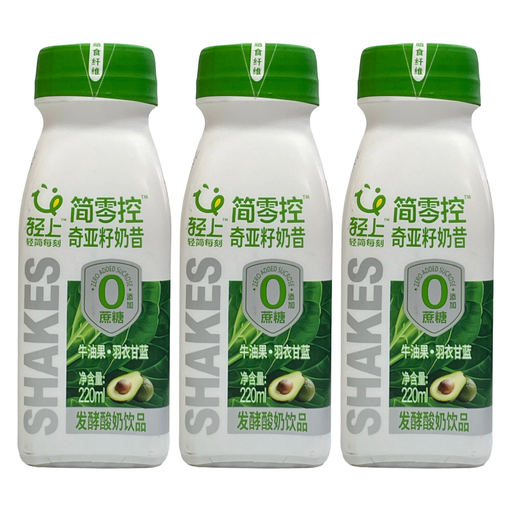 Image unavailable
A three-bottle option if you want a drink rather than a spoonable yoghurt for supper. Compare its nutrition on the same basis as any yoghurt pot, and check the current sugar claim against the ingredients.
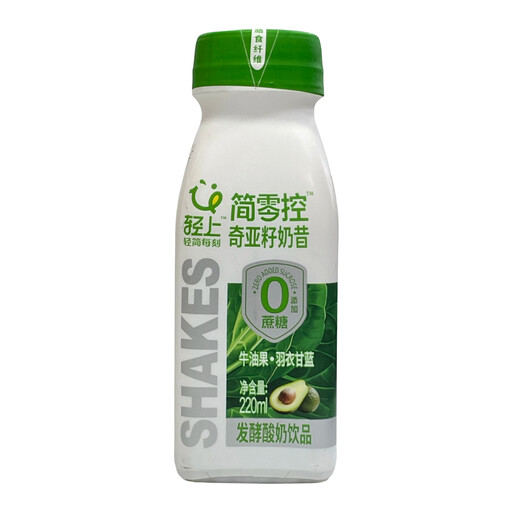 Image unavailable
A single-bottle format if you prefer a ready-to-drink option. It is not a substitute for comparing spoonable yoghurts per 100g; check the current nutrition panel, ingredients and sugar claim before choosing it.
Not necessarily: “fat free” describes fat, not sugars. Rachel's lists 8.7g sugars per 100g for its Greek Style Natural Fat Free yoghurt, while Activia lists 6.7g per 100g for Fat-Free Peach. Read the sugars value even when a pack says “no added sugars”.
Compare their nutrition per 100g, beginning with the measure that matters to you, such as saturates, then check fat, sugars and protein. The NHS categorises 1.5g saturates or less per 100g as low; per-100g figures avoid confusing products with different serving sizes.
Choose by the portion and format you will use: a tub lets you serve your own amount, while an individual pot comes ready-portioned. Tesco lists 9.8g protein per 100g for its Finest 0% Fat Greek Yoghurt 1kg tub and instructs customers to consume it within five days of opening and by the use-by date.
No treatment conclusion follows from a live-culture description. Use the product’s ingredients and nutrition information to decide whether it fits what you want from a supper; do not treat it as a remedy for symptoms.
Read the current ingredients and allergen information, then follow the pack’s refrigeration, use-by and opened-pack instructions. For its Finest 0% Fat Greek Yoghurt, Tesco specifies consumption within five days of opening and by the use-by date.