Shoppers in the restrictive phase
If you are reducing wheat, you need a pasta base that fits your plan before deciding on a sauce and serving. Monash FODMAP identifies gluten-free pasta as an alternative during this phase.


During the restrictive phase of a low-FODMAP diet, gluten-free maize-and-rice pasta is a practical starting point for replacing wheat pasta: Monash FODMAP advises reducing wheat at this stage and identifies gluten-free pasta as an alternative. Check the particular product and your planned serving rather than treating its gluten-free label as a low-FODMAP guarantee. For a meal you can use, assess the sauce as carefully as the pasta; Monash FODMAP identifies onion and garlic as high in fructans.
If you are reducing wheat, you need a pasta base that fits your plan before deciding on a sauce and serving. Monash FODMAP identifies gluten-free pasta as an alternative during this phase.
If you expect to use maize-and-rice pasta regularly, compare pack weights and the amount you can use within your planned servings, rather than choosing by branding alone.
Jars and stir-in sauces need their own ingredient check. Monash FODMAP identifies onion and garlic as high in fructans, and both appear in some prepared pasta sauces.
Start with your current diet phase, then assess the pasta, the amount you plan to use and the ingredients in the complete meal.
| Concern | What to check | Who this matters to |
|---|---|---|
| Restrictive-phase fit | Check the flour ingredients and your planned serving; do not substitute durum-wheat pasta solely because the packs look similar. | If I am reducing wheat during the restrictive phase, I need a pasta base that fits that step before considering the rest of the meal. About 36% of consumers would put this need first. |
| Usable pack size | Compare pack weights and how many planned servings each suitable pasta pack provides. | When choosing between suitable free-from pastas, I want a pack size I can use without leaving more than I need. This would be the primary concern for about 29% of consumers. |
| Sauce ingredients | Read prepared-sauce labels for onion and garlic, including powdered forms. | If a jar or stir-in sauce makes dinner easier, I still need its ingredients to fit the meal I am planning. About 21% of consumers would prioritise this concern. |
| Reintroduction | Check whether wheat or grain fructans are part of your planned reintroduction, rather than continuing to shop as though restriction is permanent. | Once I reach reintroduction, I want my pasta choices to reflect what I am testing and can tolerate. This would come first for about 14% of consumers. |
A gluten-free label does not assess every ingredient, serving amount or sauce. Gluten-free and low-FODMAP are different dietary considerations.
Use maize-and-rice pasta as a possible wheat replacement during restriction, then check the current label and planned meal against your individual guidance.
Onion or garlic in a prepared sauce can change whether the complete meal fits the restrictive phase, even when the pasta base does.
Read the exact sauce ingredients; a tomato-based or gluten-free description does not settle this question.
A larger pack is not useful for the restrictive phase if its pasta does not fit your plan. Pack weights also tell you little without considering the servings you intend to make.
Identify suitable pasta types first, then compare pack size and usable servings.
Cambridge University Hospitals NHS Foundation Trust describes low-FODMAP restriction as temporary, followed by gradual reintroduction.
Follow your dietitian’s reintroduction plan when deciding whether wheat pasta belongs in your shopping again.
Tesco lists a 500 g free-from fusilli made from maize and rice flour.
Sainsbury's lists a 500 g maize-and-rice free-from fusilli.
Barilla has distinct durum-wheat and gluten-free pasta lines; the brand name does not identify which route a pack follows.
Dolmio is relevant to the sauce decision, not as a dried-pasta replacement.
M&S lists a maize-and-rice penne in its Made Without range.
This gluten-free lasagne is a pasta-shape option to consider when replacing wheat during the restrictive phase; assess its ingredients, serving and the rest of the dish separately.
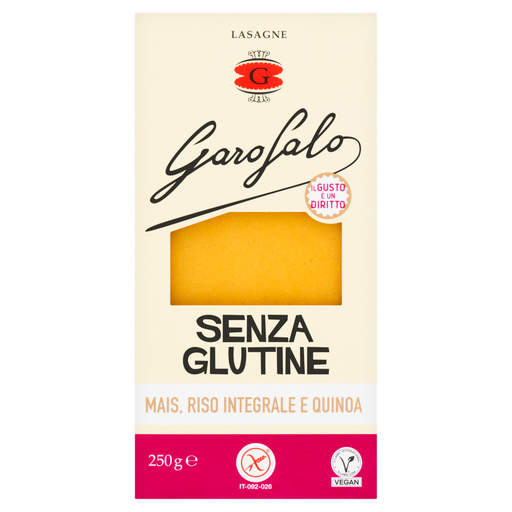 Image unavailable
If you need lasagne while reducing wheat, this gluten-free 250 g pack is a shape to assess against your plan. Check its current ingredients and your intended serving, as well as the sauce and filling.
No. Gluten-free describes the absence of gluten, while a low-FODMAP plan also considers fermentable carbohydrates and serving amounts. Monash FODMAP identifies gluten-free pasta as an alternative when reducing wheat, but check the specific pasta and the rest of your meal.
Regular wheat pasta may be relevant during planned reintroduction rather than as a default restrictive-phase replacement. Monash FODMAP advises reducing wheat during restriction and notes that people who frequently eat wheat pasta may choose to test grain fructans during reintroduction.
Check the ingredient list for onion and garlic, including powdered forms. Monash FODMAP identifies both as high in fructans; their presence in one sauce does not tell you what is in another variety.
No. Cambridge University Hospitals NHS Foundation Trust describes low-FODMAP restriction as temporary, followed by gradual reintroduction. Use your own dietitian’s guidance to plan that transition.