Salt-first late-night shoppers
You want a quick supper while paying particular attention to salt. Compare the per-100g figure across sauces, then consider how much you will actually use rather than relying on the recipe name.


For a late-night pasta supper, compare sauces by salt per 100g before deciding which preparation method suits you; a quick stir-in sauce or a no-added-sugar claim does not establish that a sauce is low in salt. NHS guidance defines low salt as 0.3g or less per 100g and high salt as more than 1.5g per 100g. Check the amount you plan to use, the ingredients and the instructions for storing any leftovers.
You want a quick supper while paying particular attention to salt. Compare the per-100g figure across sauces, then consider how much you will actually use rather than relying on the recipe name.
You want minimal preparation after a late arrival home. Check whether the sauce can be heated and served with cooked pasta or calls for extra ingredients and cooking, while still reading its salt declaration.
You need to check the exact product for allergens or dietary suitability. If you will use only part of the pack, its refrigeration and use-within instructions matter too.
Start with a like-for-like salt comparison, then choose a preparation method and check whether the exact sauce suits everyone eating it.
| Concern | What to check | Who this matters to |
|---|---|---|
| Declared salt | Compare salt per 100g, then check the amount you intend to use. NHS guidance calls 0.3g or less per 100g low salt and more than 1.5g per 100g high salt. | If I am choosing sauce specifically to reduce salt, I need the nutrition panel rather than a no-added-sugar or vegetable claim. About 45% of consumers put that salt comparison first. |
| Preparation | Check whether the sauce is stirred through cooked pasta, heated separately or used in a recipe requiring other ingredients. | When supper needs to be ready with little preparation, I want to know the actual cooking steps before choosing a jar. Speed is the primary need for about 33% of consumers. |
| Ingredients and leftovers | Read the current ingredients and dietary information; check refrigeration and use-within instructions if sauce will remain. | If someone eating with me has an ingredient restriction, or I expect to keep part of the sauce, those pack details decide whether it works for us. About 22% of consumers prioritise ingredient suitability or leftover handling. |
Sainsbury's No Added Sugar Tomato & Hidden Veg Pasta Sauce declares 0.61g salt per 100g. The sugar wording does not describe its salt content.
Read the salt line separately from sugar, calorie, vegan or vegetable-content statements.
Napolina Sundried Tomato & Basil Stir-In Sauce is intended to be stirred through hot pasta, but its declared 2.16g salt per 100g exceeds the NHS high-salt threshold. That figure applies to this product, not every stir-in sauce.
Compare the exact stir-in sauce with a standard tomato sauce if salt is part of your decision.
Different serving sizes can make portion figures difficult to compare directly, even though the amount you eat still matters.
Compare per-100g figures first, then check how much sauce you plan to put on your pasta.
Ingredients and dietary suitability differ between recipes. GOV.UK states that specified allergens used as ingredients in UK prepacked food must be clearly labelled.
Read the current pack for ingredients, allergen information and dietary statements, as well as its storage instructions.
Its pasta-sauce range includes tomato-based recipes and options identified for vegan or vegetarian shoppers.
Its own-brand examples include a no-added-sugar tomato and hidden-veg sauce and a Tomato & Herb Bolognese.
Its own-brand examples span different pasta-sauce recipes and formats.
Dolmio Original Sauce for Bolognese is a recipe-led choice for a supper involving mince.
Its Sundried Tomato & Basil Stir-In Sauce offers a method that uses cooked pasta without a separate Bolognese recipe.
These selections cover sauces for cooked pasta, Bolognese-style meals and a pasta bake. Choose by the preparation you want, then compare the current packs' salt declarations; their presence here is not a low-salt claim.
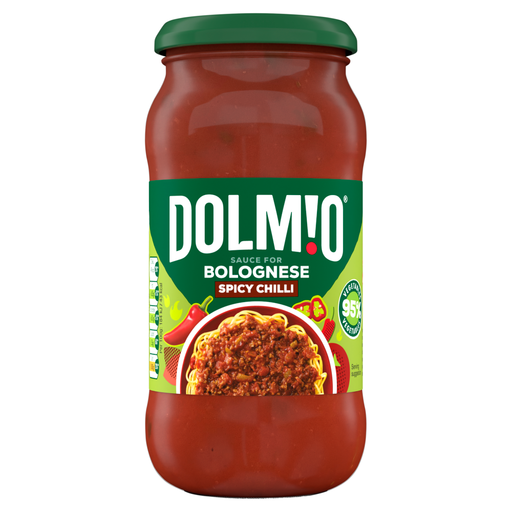 Image unavailable
Consider this spicy chilli Bolognese for a cooked-pasta supper rather than a pasta bake. If you will keep some sauce, check the jar's opened-pack storage instructions; compare its salt per 100g and your intended portion on the current pack.
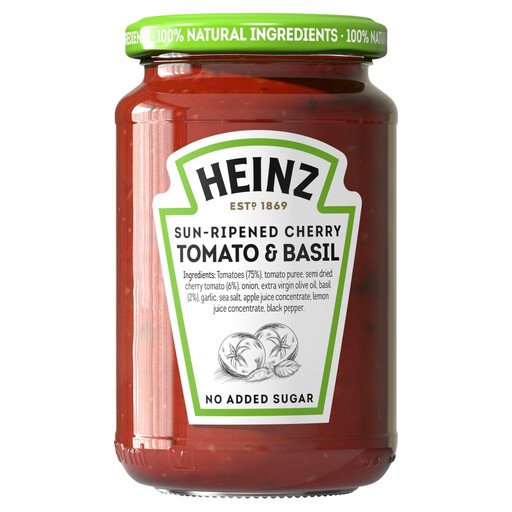 Image unavailable
A cherry tomato and basil sauce to consider when you want pasta without making a Bolognese recipe. Compare its salt per 100g on the current pack and use the amount you expect to eat when judging your portion.
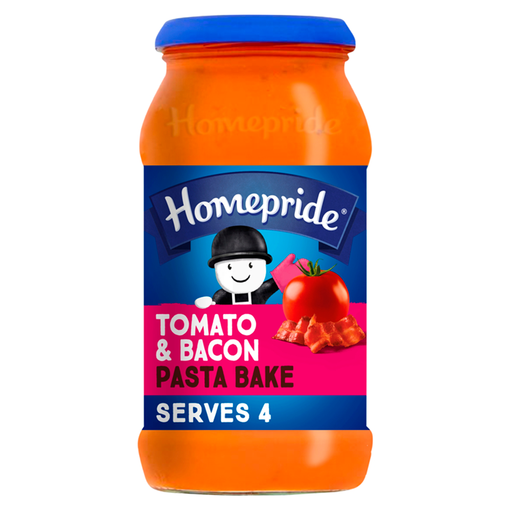 Image unavailable
Choose this for a pasta bake rather than a sauce to stir straight through pasta. Its described method uses cooked pasta, cheese and 20–25 minutes of oven baking; check the current pack for salt and allergens before making it for your household.
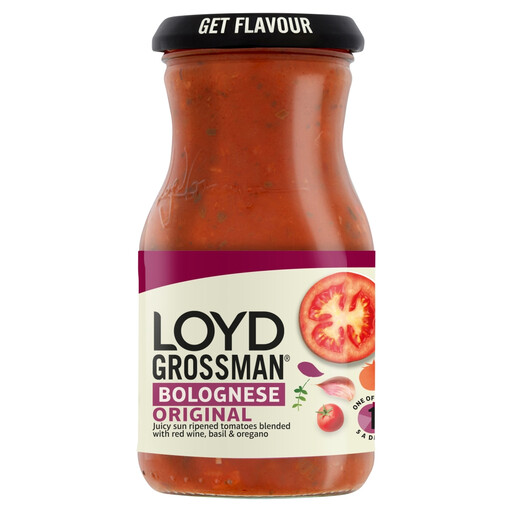 Image unavailable
This Bolognese suits a supper where you plan to cook mince: the described method calls for searing it and simmering it with the sauce. Allow for those extra steps, and check the current pack's salt declaration and ingredients.
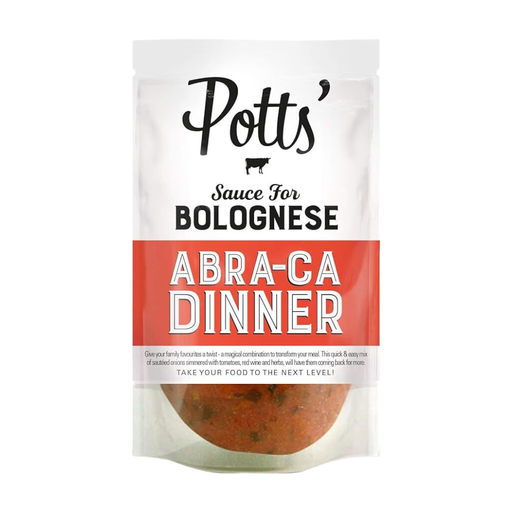 Image unavailable
Consider this Bolognese when you want sauce to serve with pasta. Before choosing it for a lower-salt supper, check that the pack gives a salt figure per 100g so you can compare it with other sauces; read its allergen information too.
NHS food-label guidance defines low salt as 0.3g or less per 100g and high salt as more than 1.5g per 100g. Use the per-100g figure to compare sauces, then consider the amount you will eat.
No. Sainsbury's No Added Sugar Tomato & Hidden Veg Pasta Sauce declares 0.61g salt per 100g; its sugar statement does not describe its salt content. Read the two parts of the nutrition information separately.
You can serve it without adding table salt. If you want a different flavour, NHS advice suggests alternatives such as herbs and spices; check the labels of any other ingredients you add to the meal.
Follow the instruction on the exact product. M&S Tomato and Basil Pasta Sauce says to refrigerate after opening and use within three days, while Tesco No Added Sugar Bolognese specifies refrigeration and use within 14 days. Neither period applies to every sauce.
Read the ingredients on the current pack. GOV.UK says specified allergens used as ingredients in UK prepacked food must be clearly labelled; a tomato-based recipe or vegan statement is not a substitute for checking the product you are buying.