Whole-meal salt reducers
You are choosing pasta for curry night and want to account for salt added to the water as well as salt in the sauce, tins, stock and seasonings.


You do not necessarily need specially reduced-salt pasta for curry night: ASDA lists 0.02g salt per 100g of its boiled spaghetti, while Sainsbury's lists less than 0.01g per 200g serving of spaghetti cooked without salt. Those figures use different serving bases, so choose a suitable pasta shape and dietary format, then check the cooking water and the labels on sauces, tins, stock and seasonings before judging the whole meal.
You are choosing pasta for curry night and want to account for salt added to the water as well as salt in the sauce, tins, stock and seasonings.
You want to compare plain pasta labels without mistaking a dry-product figure for a cooked serving or overlooking salt added during preparation.
You need a gluten-free option or prefer wholewheat pasta alongside your lower-salt meal plan. Check suitability and salt on the exact product you intend to use.
Start with the pasta format your meal needs, then compare salt on a like-for-like label basis and decide how you will season the finished dish.
| Concern | What to check | Who this matters to |
|---|---|---|
| Salt across the meal | Read the salt figures for sauces, tins, stock and seasonings; decide whether to add salt to the pasta water. | I want the pasta to work with my curry-night ingredients without losing track of salt added elsewhere. About 50% of consumers put whole-meal salt control first. |
| The pasta label | Check salt per 100g and per serving, including whether the figure describes dry or cooked pasta. | When choosing between plain pasta packs, I need figures measured on the same basis before I can compare them. For about 30% of consumers, checking the pasta label is the primary concern. |
| Dietary format | Confirm gluten-free suitability or wholewheat ingredients on the exact pack, then check its salt figure separately. | If I need gluten-free pasta or prefer wholewheat, that format has to suit my meal as well as my salt plans. Roughly 20% of consumers place the dietary format first. |
A low salt figure for pasta does not include what you add through cooking water, curry sauce, tins, stock or seasonings.
Compare the labels on the other packaged ingredients too, using their per-100g figures and the amounts you plan to serve.
Some pasta instructions suggest adding salt, even when a displayed nutrition figure describes pasta cooked without it or the dry product.
If you are reducing added salt, decide before cooking whether to omit or minimise it. Cambridge University Hospitals NHS Foundation Trust suggests flavourings such as herbs, spices, garlic, onion, vinegar and lemon instead.
ASDA reports a boiled-pasta figure for its spaghetti, while Sainsbury's gives a cooked-without-salt serving figure. A dry serving is another measurement basis.
Check how each value was measured before describing one pasta as lower in salt than another.
A reference for shoppers considering wholewheat dried pasta alongside standard spaghetti.
A reference for comparing standard spaghetti with a separately labelled gluten-free rigatoni.
A reference for a standard durum-wheat spaghetti with a stated cooked-pasta salt figure.
These selections include dried spaghetti, gluten-free lasagne, wholewheat fusilli and a konjac noodle alternative. Choose the format that suits your curry-night dish; a noodle alternative is not the same product as dried pasta.
 No image available
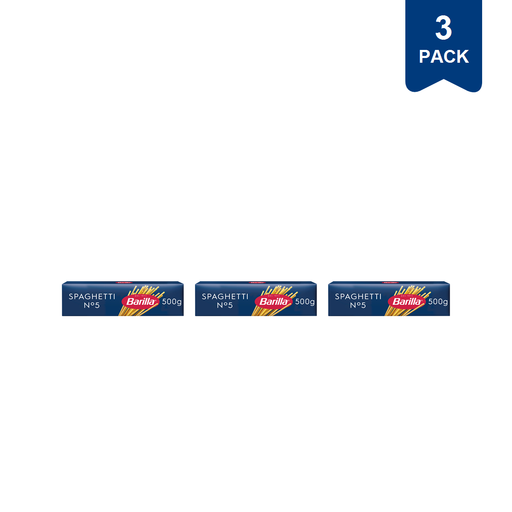
Consider this three-pack if spaghetti suits the dish you plan to serve. The Joybuy listing reports 0.01g salt per 100g for the pasta, but its cooking directions recommend adding salt; the finished meal also depends on your sauce and other ingredients.
 No image available
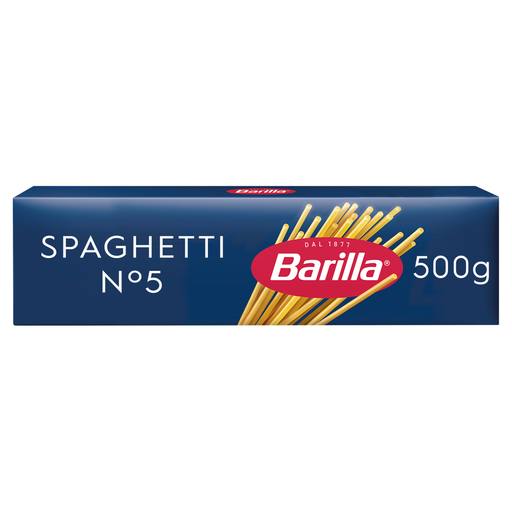
This single 500g pack suits a meal where you want a standard spaghetti shape. Its cooking directions recommend salting the water, so decide how to prepare it and check the salt figure on the current pack alongside your sauce ingredients.
 No image available
Choose this only if gluten-free lasagne sheets suit the dish you are making; they are not a substitute for spaghetti or short pasta in every recipe. Check the pack's salt figure, its dry or cooked basis and its cooking directions before comparing it with other formats.
 No image available
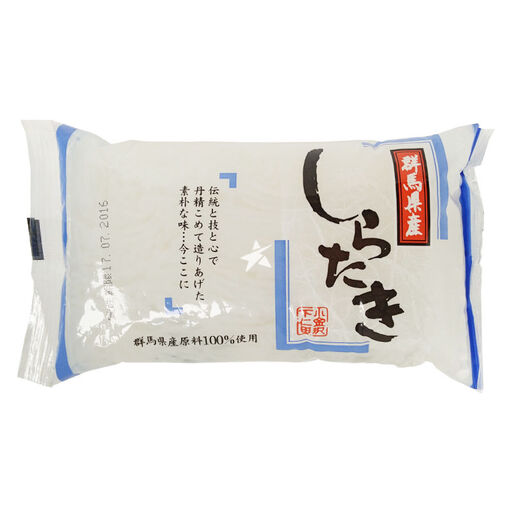
Consider these if you are open to konjac noodles rather than conventional dried pasta. Check the pack's preparation directions and decide whether this noodle format suits your curry-night dish before using its salt information to plan the meal.
 No image available
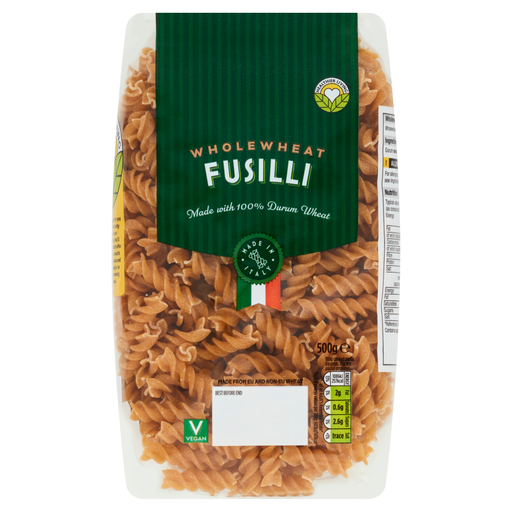
This wholewheat fusilli is an option if a short pasta shape suits your meal. Its salt is described as 'trace' rather than a precise amount, so check the current pack for a numeric comparison; the cooking directions also specify slightly salted water.
Not necessarily. ASDA Groceries lists 0.02g salt per 100g boiled for its spaghetti, and Sainsbury's lists less than 0.01g per 200g serving of spaghetti cooked without salt. Check the exact pack, then account for salt added during cooking and through the rest of the meal.
Read the salt figure per 100g and check whether it describes the product dry, cooked or prepared with added ingredients. The NHS describes 0.3g salt or less per 100g as low; use the same measurement basis when comparing products.
You can omit or minimise added salt when cooking as part of a lower-salt meal. Cambridge University Hospitals NHS Foundation Trust suggests using herbs, spices, garlic, onion, vinegar or lemon for flavour. If you have personalised dietary instructions, follow those for your situation.
Yes, if the exact pasta suits your dietary requirement and its preparation suits the meal. Sainsbury's describes its Taste the Difference Free From Rigatoni as egg and gluten free and lists less than 0.01g salt per 200g serving cooked without salt; check salt added to the water and sauce separately.
No. It describes the pasta on the label's stated measurement and preparation basis, not the sauce, tins, stock, seasonings or salt added at the table. Check those components and the portions you will use before assessing the dish.