
24/7 Customer Support

Free returns

Same-day & Next-day Delivery

Quality Guaranteed
Download the APP
Categories
Soy sauce is a cornerstone of Asian cuisine, lending a deep, savoury flavour that is hard to replicate. However, for many health-conscious households in the UK, the high sodium content of traditional soy sauce can be a concern. Finding a balance between authentic taste and healthier eating can feel like a challenge.
As a Joybuy Product Recommendation Officer, my role is to help you navigate the market. This guide is designed to provide clear, practical advice on choosing a quality low sodium soy sauce. We will explore what to look for on the label and highlight a few noteworthy options available for your kitchen.
When you're standing in the aisle, the number of choices can be overwhelming. Here are a few key points to consider to help you select a product that aligns with your cooking needs and health goals.
The terms "low sodium" and "reduced salt soy sauce" are common, but what do they mean? Typically, these products contain significantly less salt than their standard counterparts—often between 25% and 40% less. Always check the nutritional information panel. The 'Salt per 100ml' figure is the most reliable indicator. A lower number here is a clear sign you are making a healthier choice for managing daily sodium intake.
The quality of a soy sauce is largely determined by its ingredients and how it is made. Look for a premium brewed soy sauce that uses a short and simple ingredient list, typically water, soybeans, wheat and salt. Products made with non-GMO soy sauce ingredients are also a popular choice for those seeking more natural options. Traditional brewing takes months and develops a complex, rich flavour, whereas some mass-market sauces use chemical hydrolysis, which is faster but can result in a harsher taste.
Not all soy sauces are the same. A Chinese light soy sauce is thinner and saltier (even in reduced-salt versions) and is primarily used for seasoning, adding that essential xian (鲜) or umami flavour. Some modern soy sauces also incorporate natural flavour enhancers, like mushroom extracts, to build a savoury depth without adding more salt. This can be an excellent way to enhance dishes while keeping sodium levels in check.
After analysing the market based on ingredients, sodium content and user feedback, here are our recommendations for home cooks in the UK.
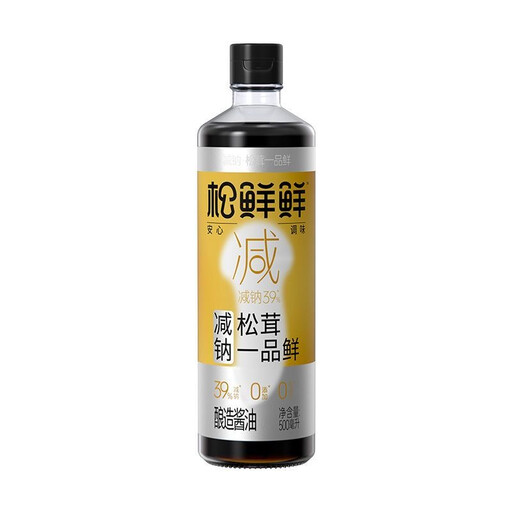
Why It Stands Out: This soy sauce offers a unique approach to flavour. It achieves a deep, savoury profile by infusing the brew with precious Boletus Edulis (Matsutake mushroom). This allows for a 30% reduction in sodium compared to standard soy sauces without sacrificing taste. The result is a rich, natural umami that enhances food subtly.
Pros:
Who is it for? This is for the adventurous home cook who wants to actively reduce their salt intake while adding a unique, gourmet touch to their dishes. It's particularly suited for those who appreciate natural, earthy flavours.
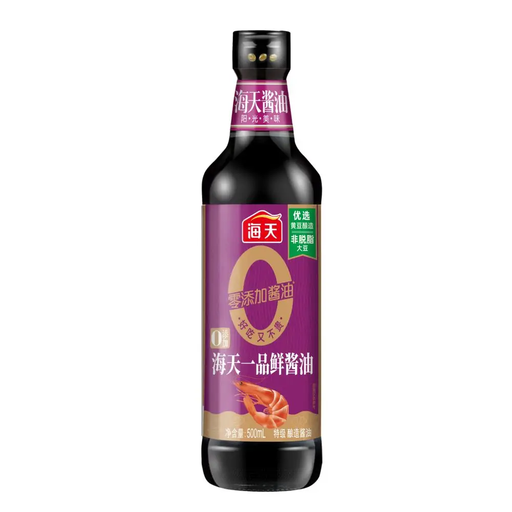
Why It Stands Out: This product is included for those who prioritise purity of ingredients above all else. Its "0% Additives" label means it contains only water, soybeans, salt, wheat, sugar and yeast extract. It is a prime example of a natural soy sauce that focuses on the authentic taste derived from traditional brewing.
Note: While it features a clean ingredient list, its salt content is 15.6g per 100g, which is typical for a traditional soy sauce, not a low-sodium product. It should be used sparingly.
Pros:
Who is it for? This is for the culinary purist who wants an authentic, additive-free soy sauce and is comfortable managing their sodium intake through careful portion control.
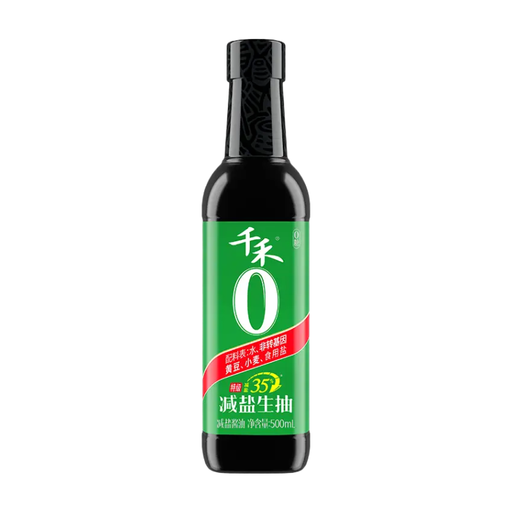
Why It Stands Out: This soy sauce is a straightforward and effective option for anyone looking to cut down on salt. It clearly states a 35% reduction in salt compared to traditional versions and is made from non-GMO defatted soybeans. It functions perfectly as an everyday Chinese light soy sauce but with a healthier nutritional profile.
Pros:
Who is it for? This is an ideal choice for families and individuals on a low-sodium diet who need a reliable, versatile and healthier staple for their daily cooking needs.
These three products represent some of the distinct choices available, from umami-rich infusions to straightforward reduced-salt classics. If you would like to explore a wider variety of flavours and brands, you can browse our full collection.
Explore the full range of soy sauce 500ml options here
Is reduced salt soy sauce actually healthy? A reduced salt soy sauce can be a component of a healthier diet. By lowering the sodium content, it helps you manage your overall daily salt intake, which is widely recommended for maintaining normal blood pressure. However, it still contains salt, so it should be used in moderation as part of a balanced diet.
What is the difference between low sodium soy sauce and regular soy sauce? The main difference is the final salt concentration. Low sodium soy sauce is brewed traditionally, after which a portion of the salt is removed, or the brewing process is modified to yield a lower-salt product. This may result in a slightly milder taste, but many premium brands compensate to ensure a rich, savoury flavour is maintained.
Can I use low sodium soy sauce for everything? Absolutely. It is designed to be a versatile, all-purpose seasoning. You can use it just as you would a regular Chinese light soy sauce—in stir-fries, marinades, soups, stews and as a dipping sauce. It provides that essential savoury depth to dishes with less of a salt kick.