
24/7 Customer Support

Free returns

Same-day & Next-day Delivery

Quality Guaranteed

Unlock Your Welcome Offers: FREE Delivery | Up to 80% OFF | Free 30-day JoyPlus trial
Download the APP
Choosing low sugar food and drinks can appear straightforward until you compare the labels. “Zero sugar”, “no added sugar” and “reduced sugar” describe different things, while a low-calorie product may still contain sweeteners, caffeine or a relatively high amount of carbohydrate.
For UK shoppers managing calorie intake, building a higher-protein routine or looking for vegan refreshments, the label matters more than the front-of-pack message. The following guide explains the main buying pitfalls, the figures to check and our top recommendations for different lifestyles.
A product can contain naturally occurring sugars from milk, fruit or grains even when no sugar has been added. For example, the Strawberry SlimFast shake is described as having no added sugar, but its listed nutrition provides 21g of sugars per prepared serving, partly because it is mixed with skimmed milk.
If your priority is a genuinely sugar-free drink, check the nutrition panel for “of which sugars”, rather than relying on phrases such as “light” or “no added sugar”.
Sugar-free biscuits, cereal bars and drinks can still contain fat, starch or other carbohydrates. Some products also use sweeteners such as maltitol or sorbitol. These can affect the product’s energy value and, in larger amounts, may cause digestive discomfort.
Gullon Zero Sugar Free Original Digestives list less than 0.5g sugar per 100g, but provide 430 kcal per 100g. They may suit someone seeking a sweetener-based biscuit, but portion size remains relevant.
Protein powder, meal replacement shakes and ready-to-drink beverages often use different serving measurements. A powder may list figures per 25g scoop, while a meal replacement may be calculated after adding milk.
Always compare:
This prevents a low figure per 100ml from appearing more advantageous than it is once the full serving has been prepared.
For drinks, compare the nutrition panel per 100ml and per bottle or can. Zero sugar drinks such as Coca-Cola Zero Sugar and Suntory Zero Sugar Oolong Tea list 0g sugars per 100ml. However, they may contain sweeteners, and cola products contain a source of phenylalanine.
For food, sugar is only one part of the calculation. A cereal powder or biscuit may be low in sugar while still providing substantial carbohydrate and energy. Reduced sugar cereals should therefore be assessed alongside fibre, portion size and preparation instructions.
Meal replacement shakes and weight management shakes are not interchangeable with ordinary low-calorie drinks. Check whether the product provides meaningful protein and fibre for your intended use.
The Strawberry SlimFast shake provides 15g protein and 4g fibre per prepared serving, while Applied Nutrition Diet Whey provides 20g protein per 25g serving and approximately 0.95g sugar. These figures may be useful for shoppers comparing meal replacement shakes with protein powder, but neither product should automatically replace a varied diet.
Read the full ingredients list, particularly if you need plant-based drinks, vegan refreshments or allergen-conscious food. Oatly Organic Barista Oat Drink contains oats and is dairy-free and soy-free, while the SlimFast shakes contain milk and soya.
Also check the usage warnings. Meal replacement products may have age, pregnancy, breastfeeding or medical restrictions. Electrolyte products should not be combined casually with other high-dose vitamin or hydration supplements.
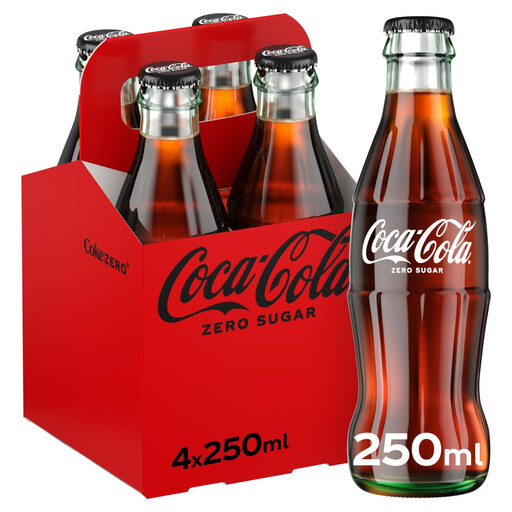
Why This Fits Their Persona: A small multipack offers a convenient way to compare zero sugar drinks without committing to a larger case.
The label lists 0g sugar and 0.3 kcal per 100ml, while also identifying the sweeteners and caffeine in the ingredients.
Four 250ml cans; zero sugar; suitable for vegetarians and vegans.

Why This Fits Their Persona: The large tub suits active adults who use protein powder regularly for shakes, porridge or cereal.
Its nutrition panel states 0.95g sugar, 100 kcal and 20g protein per 25g serving, making the comparison straightforward.
20g protein per scoop; 1.8kg format; suitable for vegetarians.
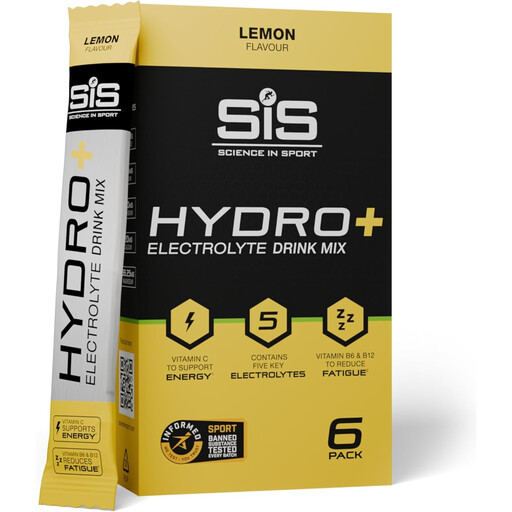
Why This Fits Their Persona: Individual sachets are practical for gym bags, cycling, travel and other situations involving significant sweating.
Each 4.1g sachet is intended for 500ml of water, with a stated maximum of one sachet per day.
Provides listed electrolytes and vitamins; six portable sachets; lemon flavour.

Why This Fits Their Persona: A six-litre pack is suited to households using plant-based drinks in coffee, tea, baking and cooking.
It is not presented as sugar-free: the nutrition information lists 2.2g sugars and 59 kcal per 100ml.
Organic oat base; dairy-free and soy-free; suitable for drinks, baking and cooking.
We have compiled a complete, real-time list of products that fully satisfy these strict selection criteria and UK safety regulations.
Zero sugar drinks can provide an alternative to sugar-sweetened soft drinks, but they are not a replacement for water. Check the ingredients for caffeine and sweeteners, and follow the product label. Unsweetened tea, water and other low-calorie drinks can also support everyday hydration.
No. Meal replacement shakes are formulated for use as part of an energy-restricted diet and may include fibre, vitamins and minerals. Protein powder generally focuses on protein content and is not necessarily nutritionally complete. Check preparation instructions, allergens and maximum servings before buying.
Compare price per 100g, not just pack price, then check calories, fibre and sweeteners. Sugar-free biscuits may still be energy-dense, so smaller portions and resealable packaging can reduce waste. Buying larger multipacks only makes financial sense when you will use the product before its best-before date and storage requirements remain practical.