
24/7 Customer Support

Free returns

Same-day & Next-day Delivery

Quality Guaranteed

Unlock Your Welcome Offers: FREE Delivery | Up to 80% OFF | Free 30-day JoyPlus trial
Download the APP
Navigating the world of protein snacks can feel like a minefield. Shelves are packed with bars promising high protein and great taste, but the reality is often disappointing. Many UK shoppers find themselves with a box of chalky, overly sweet bars that are little better than a standard chocolate bar. As a Joybuy Product Recommendation Officer, my role is to help you see past the marketing jargon and make smarter choices. Let's break down the common traps and what to look for.
The search for the perfect on-the-go protein boost often leads to a few common frustrations:
By understanding what to look for on the label, you can avoid these pitfalls and find a bar that genuinely supports your fitness and lifestyle goals.
To ensure you're getting a quality product, focus on these key nutritional details. They provide a much clearer picture than the flashy front-of-pack claims.
When you're looking for low sugar protein bars, the "of which sugars" line in the nutrition table is your first port of call. Ideally, this should be under 5g per bar. However, you also need to check the line for "of which polyols".
Polyols, or sugar alcohols like Maltitol and Glycerol, are used to provide sweetness without the calories of sugar. They have a lower impact on blood sugar levels, which is why they are common in low carb protein bars. While generally safe, it's worth noting that consuming them in high amounts can lead to a laxative effect in some people. A bar with a balanced formula won't rely excessively on them for taste.
A true high protein bar should provide a substantial amount of protein to be effective as a post-workout snack or for muscle maintenance. Aim for a bar that contains around 20 grams of protein.
The source of protein also matters. Most bars use a blend to achieve a complete amino acid profile and a better texture. Common sources include:
A good healthy snack bar isn't just about high protein; it's also about nutritional efficiency. A bar that packs 20g of protein but also contains 400 calories might not be the right choice if you're managing your weight. As a general rule, look for a bar where the calories are around 10-12 times the protein content (e.g., 20g of protein for around 200-240 kcal). This indicates a well-formulated product focused on delivering protein without excessive fats or carbs.
Based on these practical criteria, here are a few options that align with different needs and preferences for UK residents.
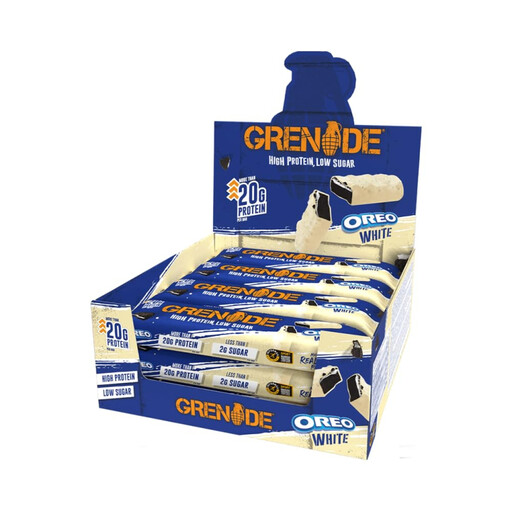
Why This Fits Their Persona: This user wants a protein bar that tastes like a genuine treat, not a compromise. The authentic White Oreo flavour and multi-layered texture make it a satisfying reward after a workout or a guilt-free dessert alternative that doesn't feel like a typical fitness product.
It directly counters the "Cardboard Texture Problem" with a soft core, creamy coating and real cookie pieces, delivering a confectionery-style experience that many protein bars lack.
Delivers a substantial 21g of protein with only 1.3g of sugar per bar, offering an excellent nutritional profile for its indulgent taste.

Why This Fits Their Persona: For the health-conscious individual seeking a vegan and gluten-free option, this bar is ideal. It's a lighter snack, perfect for bridging the gap between meals without a heavy calorie load, and it caters specifically to plant-based dietary needs.
It avoids the "Healthy Confectionery Trap" by being transparent about its positioning. At under 100 calories with 10g of protein, it's a genuinely light, macro-friendly snack, not a high-calorie bar masquerading as one.
Fully plant-based and gluten-free, making it one of the few vegan protein bars that also delivers a satisfying fudgy taste and texture.
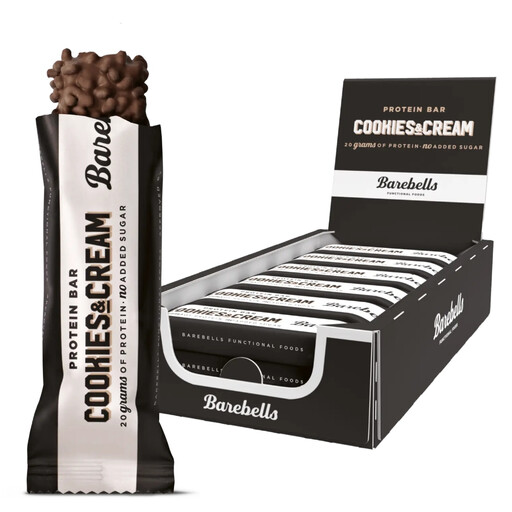
Why This Fits Their Persona: This user needs a reliable, great-tasting bar that fits seamlessly into a busy life. It's the perfect on-the-go protein source to keep in a gym bag, desk drawer or car for a quick, satisfying and nutritionally sound snack that doesn't compromise on flavour.
It sidesteps the "Sugar vs. Sweetener Confusion" by having no added sugar and a very low natural sugar content (1.4g). Its taste comes from a well-balanced formula rather than an over-reliance on sweeteners.
Offers a solid 20g of protein with a widely acclaimed soft texture and creamy flavour, making it a consistently popular choice across the UK.
We have compiled a complete, real-time list of products that fully satisfy these strict selection criteria and UK safety regulations.
They can be a beneficial part of a balanced diet when used correctly. They are an excellent, convenient option for a post-workout recovery snack to help repair muscle, or as a high-protein snack to keep you full between meals and prevent you from reaching for less healthy options. However, they should not be used to replace whole-food meals. Always check the full ingredients list to ensure it aligns with your dietary goals.
For most active individuals, eating one protein bar a day is generally fine as a supplement to a varied and nutritious diet. It's a convenient way to meet your protein targets. However, it's important to remember that they are a processed food and shouldn't be your primary source of nutrients. Also, be mindful of the polyol content, as daily consumption of multiple bars could cause digestive upset in sensitive individuals.
The primary difference lies in their nutritional purpose. A standard chocolate bar is high in sugar and fat with very little protein, designed purely for indulgence. A well-formulated protein bar is engineered to deliver a high dose of protein (typically 15-25g) while keeping sugar content extremely low. This makes them a more functional food, designed to support fitness goals, aid muscle recovery and provide sustained energy.