What matters when buying?
Start with the exact tin’s sugars per 100g, then decide whether its seasoning, packing medium and quantity fit the dish. Plain spring-water and brine tuna leave the flavour largely to your recipe; a ready-sauced option calls for a closer look at its ingredients.
| Concern |
What to check |
Who this matters to |
| Listed sugars |
Compare the “of which sugars” figure per 100g and read the ingredients for sugar or honey. |
If I am making my own sauce, I want the tuna to leave sweetness under my control. About 36% of consumers put low listed sugars first. |
| Ready-made flavour |
For sauced tuna, check its ingredients plus sugars and salt per 100g; check the portion figure if you will use the whole pack. |
When time is short, I may prefer a built-in flavour for a noodle or rice dish, even if it limits how I season it. Convenience is the primary need for about 29% of consumers. |
| Salt and packing medium |
Compare salt, fat and energy per 100g on the exact variants, particularly when choosing between brine, water and oil. |
If the recipe already contains salty condiments or oil, I want the tuna’s packing medium to fit those ingredients. About 21% of consumers make salt and packing medium their main consideration. |
| Quantity and leftovers |
Check can count and drained weight, then follow the pack’s after-opening storage instructions. |
For a meal shared across several plates, I need enough usable tuna without opening more than I can use. Pack size and leftover handling come first for about 14% of consumers. |
Joybuy tuna selections
These tins cover plain tuna in spring water or brine, plus a no-drain sunflower-oil option. Choose the packing medium to suit your recipe, and check the exact pack’s nutrition panel rather than assuming that all tuna tins have identical figures.
 No image available
John West Tuna Chunks in Springwater, 4 x 125g
Consider this spring-water multipack when the recipe supplies its own sauce or spices. Compare the pack’s sugars and salt figures with any other tuna you are considering; tuna contains fish.
View on Joybuy
 No image available
Princes Tuna Chunks in Brine, 4 x 145g
This brine-packed multipack is an option when you want plain tuna with salt among its listed ingredients. Joybuy’s product information lists tuna, water and salt and shows 0.0g sugars; check the pack’s per-100g figures and drained weight for your recipe.
View on Joybuy
 No image available
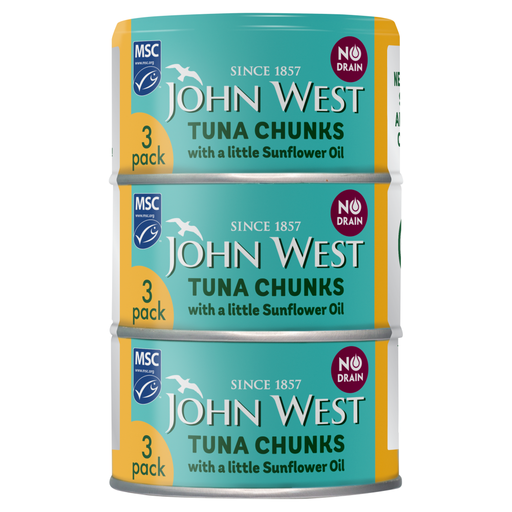
John West No Drain Tuna Chunks in Sunflower Oil, 3 x 100g
Consider the no-drain format if sunflower oil fits the dish you plan to make. Oil packing changes what goes into the finished recipe, so compare the exact tin’s sugars, fat and salt figures with water- or brine-packed alternatives.
View on Joybuy
 No image available
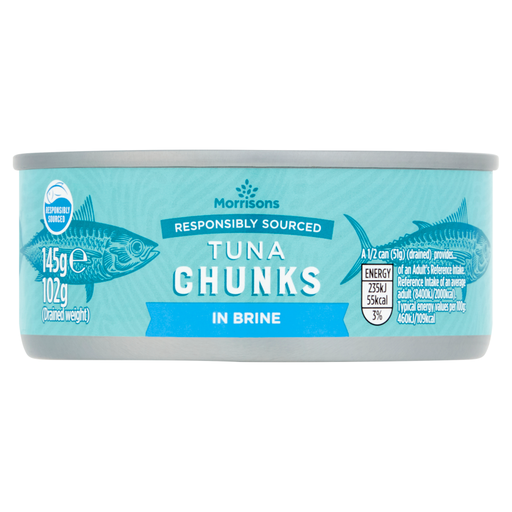
Morrisons Fad Free Tuna Chunks in Brine, 145g
A single brine-packed tin may be more practical than opening a multipack for one dish. Check its drained weight and nutrition panel against the amount your recipe needs; tuna contains fish.
View on Joybuy
 No image available
Morrisons Fad Free Tuna Chunks in Spring Water, 145g
This single spring-water tin suits a recipe in which you want to add the flavour separately. Compare its per-100g sugars and salt figures with the brine variant rather than treating the two packing media as nutritionally interchangeable.
View on Joybuy
Questions about choosing tuna
Does “reduced sugar” distinguish plain tuna tins?
For this meal, the more useful distinction is often plain tuna versus tuna in a flavoured sauce. The cited Princes and Tesco plain products list 0g or 0.0g sugars per 100g, while John West’s cited soy, ginger and honey product lists 4.9g per 100g. Compare the exact tins rather than relying on the word “tuna”.
Should I check sugars or look for added sweeteners?
Check both the “of which sugars” figure and the ingredients list. The NHS explains that honey and sugars added to food count as free sugars, whereas the total-sugars figure on a label can also include other sugars.
How can I compare tins of different sizes?
Compare their nutrition figures per 100g first, then check drained weight and any stated serving size against your recipe. The NHS identifies per-100g or per-100ml figures as the common basis on nutrition labels.
Is tinned tuna suitable for someone with a fish allergy?
No: tuna is fish, and the Food Standards Agency identifies fish as an allergen. Check the product’s allergen statement and avoid tuna if you have a fish allergy.
What should I do with tuna left over after opening a tin?
Follow the instructions on that tin. The cited Tesco and M&S products instruct consumers to transfer unused tuna to a non-metallic container, refrigerate it and consume it within two days.


