Allergy-aware calorie counters
If you want a smaller declared calorie portion, screen the ingredients and precautionary wording against your own allergy requirements before comparing kcal figures.


Choose a cereal bar by checking its current ingredients for your relevant allergen first, then consider any ‘may contain’ statement in line with your individual allergy-management advice. Compare calories only among options that meet those requirements, using both kcal per stated bar or portion and kcal per 100g when bar sizes differ. A lower calorie figure does not establish allergy suitability.
If you want a smaller declared calorie portion, screen the ingredients and precautionary wording against your own allergy requirements before comparing kcal figures.
A consistent check of the current pack matters even for a familiar bar. Look at the ingredients, any ‘may contain’ wording and the portion used for its nutrition declaration.
A gluten-free label does not answer questions about nuts, soya or milk. Check each relevant ingredient and precautionary statement separately.
Start with the exact pack’s allergy information. Once a bar meets your individual requirements, compare the amount you would eat rather than assuming every bar represents the same portion.
| Priority | What to check | Your needs |
|---|---|---|
| Declared ingredients | Read the full ingredients list on the current pack. The Food Standards Agency says the 14 regulated allergens must be emphasised in the ingredients list of UK prepacked food. | Before looking at calories, I need to rule out bars that list an ingredient I must avoid. |
| ‘May contain’ wording | Check which allergens are named separately from the ingredients. Food Standards Agency-commissioned research explains that precautionary allergen labelling signals possible unintentional presence. | An allergen may matter to me even when it is not an intentional ingredient, so I need to assess the warning against my individual allergy-management advice. |
| Calories and portion | Compare kcal per labelled bar or portion, its weight in grams and kcal per 100g. Check whether a pack contains one bar or a multi-bar serving. | I want to compare the portion I would actually eat; a smaller bar can have fewer calories per bar without having fewer calories per 100g. |
| Other nutrition details | If fibre or protein is relevant to your choice, compare the declared grams on the same serving basis as the kcal figure. | I may prefer a different portion or nutrition profile once the bar has passed my allergy checks, rather than choosing solely by the smallest kcal number. |
Kellogg’s UK lists 82 kcal per serving for its Coco Pops Snack Bar, alongside barley, milk, soya and wheat allergens. The calorie figure says nothing about whether those ingredients suit you.
Check the current pack for your relevant allergens and precautionary wording before using its calorie figure to compare options.
Kellogg’s UK lists 82 kcal per 20g Coco Pops Snack Bar and 104 kcal per 27g Special K Red Berry Bar; Eat Natural lists 86 kcal per 25g Apple Soft Fruit Bar. These are different portions.
Compare kcal per stated bar and per 100g, then decide which portion matches what you intend to eat.
Eat Natural’s Apple Soft Fruit Bar carries a gluten-free claim but also lists precautionary warnings for peanuts, soya, milk, hazelnuts and cashews. A gluten-free claim cannot settle those separate allergy questions.
Check every ingredient and ‘may contain’ statement relevant to you, not just the front-of-pack dietary claim.
The information that matters applies to the particular pack you are buying and eating, not just to an earlier listing or a pack you bought before.
Read the ingredients, precautionary wording and nutrition declaration on the current physical pack, especially if its packaging has changed.
These examples show why a brand name or dietary label cannot replace a check of the particular bar and pack.
Its Apple Soft Fruit Bar is an example of a smaller, gluten-free-labelled fruit bar.
Its cereal snack bars provide several individually stated portions to compare after an allergy screen.
Its Honey Oat Boost offers a 30g oat-based portion to compare with smaller cereal bars.
Its crunchy and protein-bar lines call for attention to both serving size and the particular variant’s allergens.
Its Original Oat Protein Flapjack is a different portion and product style from the smaller cereal-bar examples.
Consider an Alpen bar only after confirming that its pack and product information apply to the version you intend to buy in the UK.
These Joybuy listings cover individually portioned cereal and breakfast bars. Treat each as a product to screen against your own allergens before comparing its pack size or nutrition declaration.
 No image available
The six-bar pack provides individually stated portions for a calorie comparison. If you avoid wheat, barley, oats, milk or soya, check this variant’s current ingredients and precautionary wording before considering its nutrition figure.
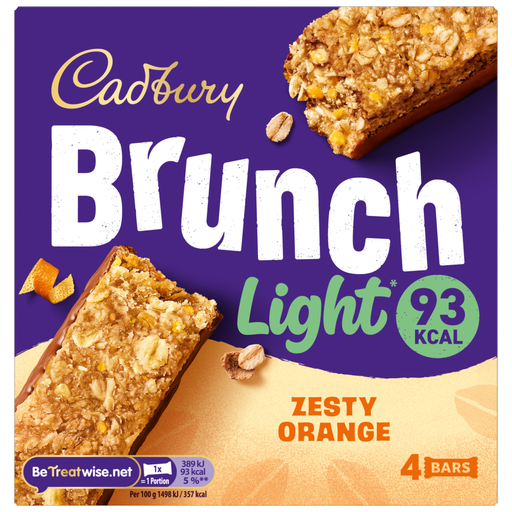 No image available
Check the current ingredients if oats, wheat, milk, soya or barley matter to you, and assess any precautionary nut wording. The ‘Light’ range name does not establish allergy suitability or tell you how this portion compares with another bar.
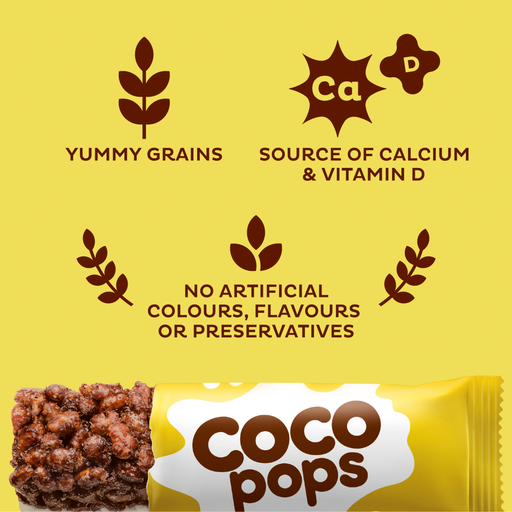 No image available
Each bar is listed as 20g. Kellogg’s UK lists barley, milk, soya and wheat for its Coco Pops Snack Bar; check the ingredients and any gluten precaution on this exact Chocolate Breakfast Cereal Bars pack before applying that information or comparing calories.
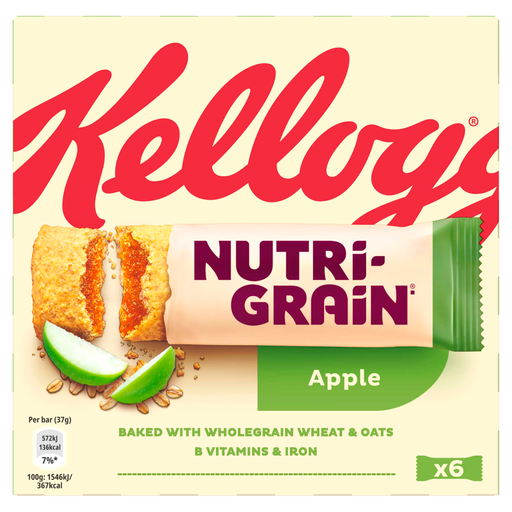 No image available
This apple variant comes in a six-bar, 222g pack. Check its current ingredients for wheat, oats, milk and soya, alongside any precautionary nut or gluten wording, before comparing its labelled serving with a smaller bar.
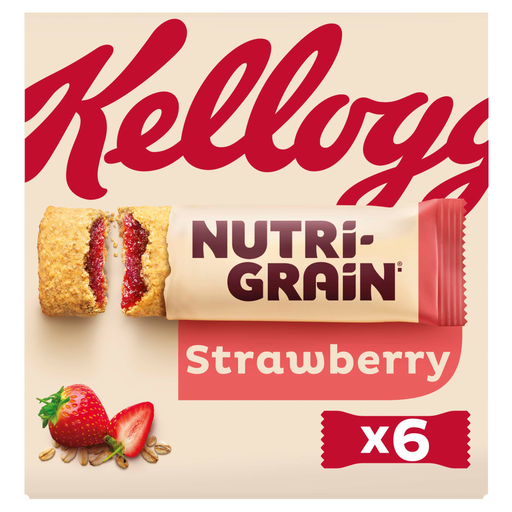 No image available
For this strawberry six-bar, 222g pack, check wheat, soya and milk in the current ingredients and assess any precautionary tree-nut statement. Compare calories using the pack’s stated serving, not the total pack weight.
No, not when you have a food allergy. First check the current pack for your relevant allergen and assess any ‘may contain’ wording against your individual allergy-management advice. Then compare suitable options by kcal per stated serving and, if portions differ, per 100g.
No. A gluten-free claim does not address separate allergens: Eat Natural’s Apple Soft Fruit Bar lists precautionary warnings for peanuts, soya, milk, hazelnuts and cashews. Check the full ingredients and warnings on the exact bar you intend to eat.
Food Standards Agency-commissioned research explains that precautionary allergen labelling communicates that an allergen could be unintentionally present. It is separate from an ingredient declaration; assess any allergen named there using your individual allergy-management advice.
Read the ingredients list on the current pack. The Food Standards Agency says the 14 regulated allergens must be emphasised in the ingredients list of UK prepacked food or drink. Also check any separate precautionary allergen statement.
The current physical pack is the one relevant to the bar you are buying or eating. Re-read its ingredients, precautionary wording and nutrition declaration rather than relying on an earlier pack or online listing.