Shoppers comparing calories per bar
If you are adding individually portioned bars to a grocery order, the calories in one bar may matter more to you than a broad shelf label such as ‘light’.


For a lighter snack, compare the calories in the bar or serving you will actually eat, not just a retailer’s category or the wording on the wrapper. If fibre or protein matters more to you, compare those values alongside calories on the same per-bar basis; check ingredients, allergens and the current product listing before ordering.
If you are adding individually portioned bars to a grocery order, the calories in one bar may matter more to you than a broad shelf label such as ‘light’.
For a portable snack at work or while travelling, you may be willing to consider a bar with more calories if its stated fibre or protein content meets what you are looking for.
If you need to avoid particular ingredients, compare the exact bar’s ingredient and allergen information rather than relying on its flavour, appearance or brand.
Start with the portion you plan to eat, then compare the nutrition and ingredient details that matter for that snack.
| Priority | What to check | Your needs |
|---|---|---|
| Calories per portion | Compare kcal per bar or stated serving. Check how many bars are in one wrapper; use per 100g figures for a separate comparison of products by weight. | I’m looking for a smaller snack portion, so I want to know the calories in everything I would eat from one pack. |
| Fibre and protein | Read fibre and protein alongside calories on the same per-bar basis. Check the serving size if the labels use different portions. | Fibre or protein matters to me as well as calories, and I’m prepared to compare bars with different portion sizes. |
| Sugar claims | Check sugars per bar and what any ‘less sugar’ claim is compared with. Read calories separately; a sugar comparison does not establish a calorie figure. | I don’t want a reduced-sugar message to stand in for the nutrition figures I’m comparing. |
| Ingredients and allergens | Read the exact product’s ingredients, emphasised allergens and precautionary allergen wording. Check the delivered pack if ingredients must be avoided. | Before I eat a bar, I need to know whether its current recipe meets my ingredient requirements. |
Bars come in different sizes, so a per 100g comparison does not tell you the calories in the portion you will eat.
Check kcal per bar or serving first. If a wrapper contains more than one bar, count the number you expect to eat.
A sugar comparison refers to its stated comparison basis; it does not establish the bar’s calorie count.
Read the claim’s wording, then compare the nutrition panel’s calories, sugars and portion size.
Oat, fruit, chocolate and nut bars can have different ingredient and allergen profiles, even within one brand’s range.
Check the exact listing’s ingredient and allergen declaration, and check the delivered pack before eating if you need to avoid an ingredient.
A saved listing may not reflect the product currently offered for delivery or the details printed on the pack.
Confirm the bar variant, pack size, nutrition information and delivery availability in your chosen retailer’s current listing before checkout.
A brand name is a starting point, not a substitute for checking the exact bar and portion.
Tesco product information lists Alpen Light Summer Fruits at 65 calories per 19g bar.
Kellogg’s UK lists its Special K Milk Chocolate bar at 107 kcal per 27g serving.
Retailer information lists Graze Cocoa & Vanilla Oat Boost at 116 kcal per 30g boost and Honey Oat Boost at 129 kcal per boost.
Nature Valley UK lists both crunchy oat bars and protein-bar variants in its range.
Eat Natural UK lists nut- and protein-focused bars, including peanut and chocolate variants.
TREK describes its Cocoa Oat protein flapjack as vegan and states that it provides 9g plant protein.
These Joybuy options include cereal bars labelled Light and oat bars, alongside nut and protein bars to compare if your priorities extend beyond calories. Check the current per-bar nutrition and ingredients for the exact pack you choose.
 No image available
If the Light variant interests you for a smaller snack, check its current calories per bar before comparing it with other packs. This four-pack weighs 104g in total; also check the ingredients if you need to avoid allergens.
 No image available
For a dark-chocolate snack-bar option, use the nutrition values for one 21.5g bar when comparing portions. Check the current ingredients and allergens for this variant rather than using figures from another Special K bar.
 No image available
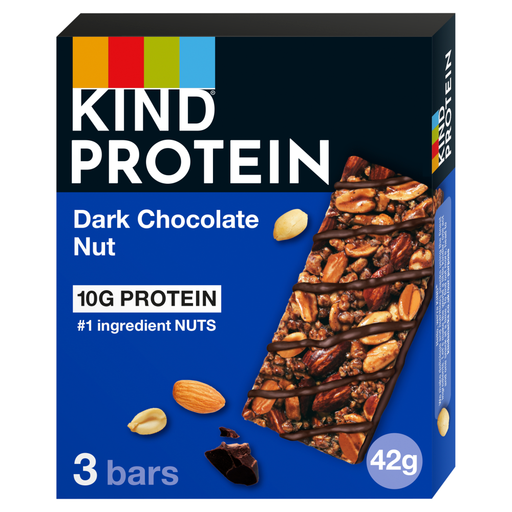
Consider this nut-bar format if you want to compare protein-bar options with lighter cereal bars. Read calories and protein for one 42g bar, and check the exact nut and other allergen declarations.
 No image available
This nut-bar variant belongs in a comparison where protein matters alongside calories. Compare the values for one 40g bar with the lighter cereal bars you are considering, and read its current allergen information.
 No image available
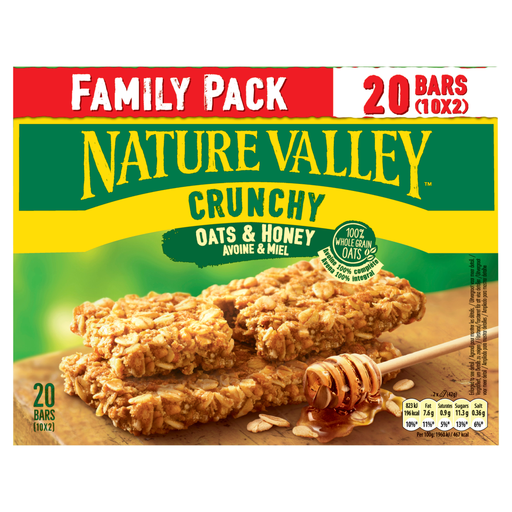
For this oat-bar family pack, check both calories per bar and the number of bars you would eat at once. The pack contains 20 bars weighing 420g in total; check the wrapper and current nutrition panel for the serving details.
Use the calories in the bar or serving you intend to eat, then compare that figure with your own target. Tesco has an ‘Under 100 Calorie Cereal Bars’ shopping category, but its category name does not replace checking the exact product’s portion and nutrition panel.
No single calorie figure settles every snack choice. If fibre or protein is also important to you, compare those stated values and the portion size alongside calories for each bar you are considering.
Not necessarily: a sugar claim has its own comparison basis, while calories need a separate check. Graze describes its Oat Boost sugar comparison against a set of cereal bars; read the exact variant’s nutrition panel for its sugars and calories per portion.
Check the exact bar’s ingredients, emphasised allergens and any precautionary allergen wording, then check the delivered pack before eating if you need to avoid an ingredient. Different bars can contain cereals, milk, peanuts, soya or tree nuts, so a brand name alone is not enough to assess a variant.