Hosts serving a mixed group
Keep each variety identifiable so guests can check its ingredients and allergen information before taking a bar. The original wrapper is useful when several flavours are on the table.


For a garden party where guests may want a small sweet snack, compare the kcal in the bar they will actually take, then check kcal per 100 g, sugars, saturates and allergens. Kellogg’s lists 82 kcal per serving for its Coco Pops Snack Bar and 99 kcal for its Frosties Cereal Milk Bar; a smaller serving figure alone does not mean a bar has fewer calories per 100 g.
Keep each variety identifiable so guests can check its ingredients and allergen information before taking a bar. The original wrapper is useful when several flavours are on the table.
Compare kcal for one bar or the stated serving, not just the pack size. Check kcal per 100 g as well if you want to compare bars of different weights on the same basis.
Identify a separate product that states the required suitability on its exact pack. Check its allergen and precautionary statements too, rather than assuming a dietary label answers every guest’s needs.
Start with the portion a guest is likely to take. Then use the rest of the label to decide whether that particular bar works for the people you are serving.
| Priority | What to check | Your needs |
|---|---|---|
| Serving size | Find the kcal for one bar or stated serving and its weight. Check whether a pack contains more than one serving. | I want guests to be able to take a small snack without mistaking a multipack figure for the amount in one bar. |
| Like-for-like comparison | Compare kcal per 100 g when bar weights differ. Use the per-bar figure separately to judge the portion offered. | A lower number on one wrapper catches my eye, but I also want to know whether it mainly reflects a smaller bar. |
| Allergens | Read the ingredients, highlighted allergens and any precautionary statement on each exact flavour. Keep that information with the product when serving it. | Guests need to identify a bar that meets their own requirements without guessing which wrapper came from a shared bowl. |
| Dietary suitability | Check any vegan or gluten-free statement on the exact product, then read its allergen wording and kcal per bar. | I may need a separately labelled option for one guest, without assuming that option is also the smallest snack. |
| Sugars and saturates | Compare the declared amounts per serving alongside kcal. When serving sizes differ, check the per-100 g figures as well. | Calories are not the only label detail I want to compare before choosing several flavours for the table. |
Kellogg’s lists 82 kcal for a 20 g Coco Pops Snack Bar and 99 kcal for a 25 g Frosties Cereal Milk Bar. Those figures describe different-sized portions.
Compare kcal per bar for the snack you will offer, then use kcal per 100 g for a comparison that accounts for bar weight.
A protein bar can be a different-sized snack: Eat Natural declares 220 kcal per 40 g Dark Chocolate & Peanut Protein Bar. Vegan or gluten-free suitability answers a different question from kcal per serving.
Choose a product for the specific requirement it meets and check its serving calories separately.
Once bars are separated from their wrappers, guests may struggle to match a flavour to its ingredient and allergen information.
Keep varieties in their original wrappers or place each one beside its complete pack information.
Alpen’s product-availability page lists Alpen Light Bars Chocolate & Orange among products it no longer makes.
If an older reference catches your eye, check the current product and flavour before planning what to serve.
These brands illustrate different bar formats and label checks; a brand name alone does not establish the nutrition or allergens of every flavour.
Its UK product pages give per-serving energy figures for small cereal-and-milk snack bars.
Its Original Oat flapjack is a distinct option when a guest is looking for a product stated to be vegan and gluten-free.
Its Dark Chocolate & Peanut Protein Bar provides an example of a nut-and-protein format rather than a small cereal-and-milk snack bar.
The brand offers crunchy oat-based bars; Nature Valley describes wholegrain oats in its Crunchy range.
Older Alpen Light references need a current-product check before they become part of a party plan.
These Joybuy options are cereal-bar packs to consider for a garden-party snack table. Compare the serving stated on each exact pack and keep its allergen information available to guests.
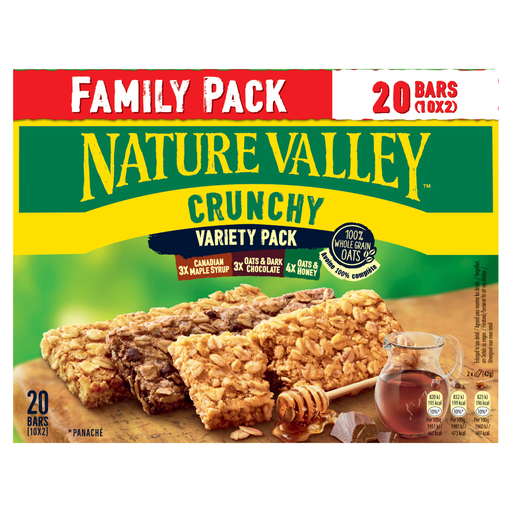 No image available
A crunchy oat-bar variety pack for offering more than one option. Check whether the nutrition panel’s serving is a single bar or a 42 g pack unit, and retain each variety’s allergen information.
 No image available
The 21.5 g bar size is useful when comparing snack portions. Check kcal and sugars for one bar, plus the exact pack’s cereal, milk and soya allergen declarations.
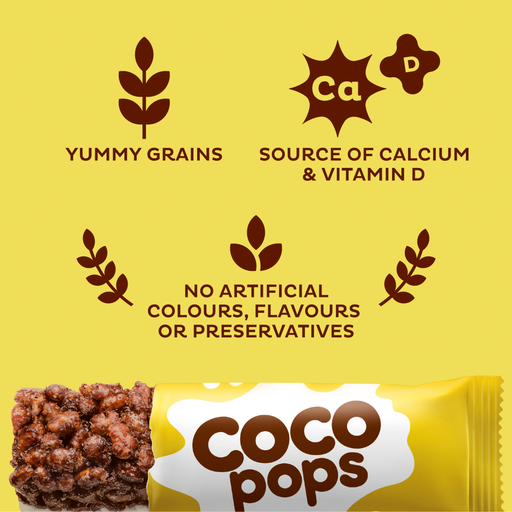 No image available
This four-pack lists 20 g bars, making the individual portion clear. Use the exact pack’s kcal figure and allergen declaration when deciding whether to serve it.
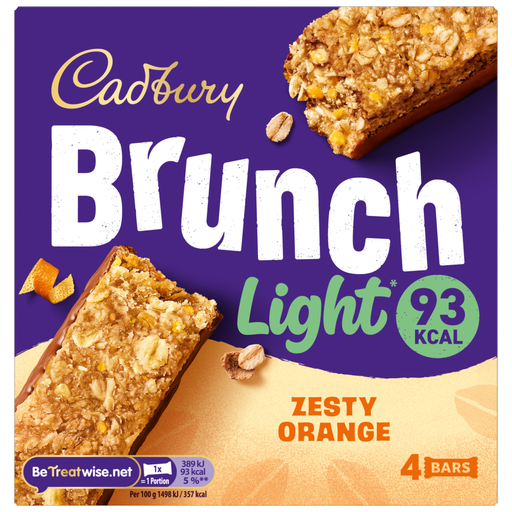 No image available
This chocolate-and-orange option comes as a four-pack weighing 104 g in total. Treat ‘Light’ as part of the product name, not a substitute for checking kcal per bar and the pack’s allergen information.
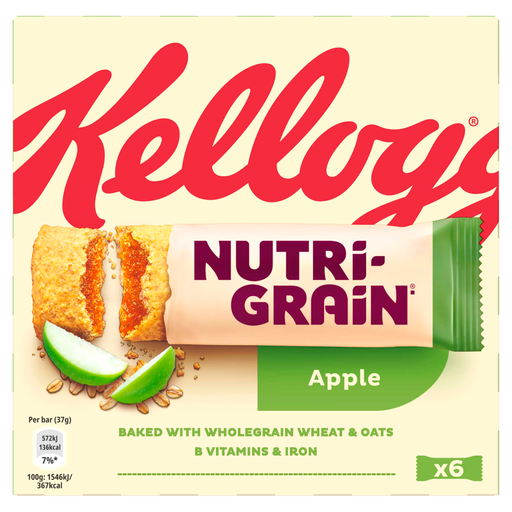 No image available
An apple-flavoured breakfast-bar option in a six-pack. Compare the stated kcal and sugars per bar with smaller snack bars, and check the exact pack’s ingredients before serving it to a mixed group.
No. A smaller bar can contain fewer kcal per serving simply because it weighs less. Compare kcal per bar for the portion a guest will take, and kcal per 100 g when comparing products of different weights.
Start with kcal and serving weight for each bar, then compare kcal per 100 g, sugars and saturates. Read both ingredient lists and allergen statements so guests can identify which variety meets their requirements.
No. Those statements address particular requirements, not every possible allergy. Check the exact product’s ingredients and precautionary allergen wording against the needs of the guest concerned, and keep its wrapper available when serving it.