Students packing a short-break snack
If you plan to eat one bar between lectures, compare the kcal for that complete bar with the portion you have in mind. The per-100g figure answers a different question.


For a short lecture break, start with the calories in the whole bar you intend to eat, then check sugars, saturates and ingredients on the current pack. Kellogg's UK lists its 20g Rice Krispies Snack Bar at 83 kcal, while TREK lists 219 kcal for its larger 50g Original Oat flapjack; the latter is a different portion choice, not the lower-calorie option.
If you plan to eat one bar between lectures, compare the kcal for that complete bar with the portion you have in mind. The per-100g figure answers a different question.
A longer wait until your next meal may change the portion you want. Compare bar weight, energy and protein together rather than assuming a protein flapjack is also a lower-calorie snack.
Read the ingredients and allergen statement for the exact flavour and pack. The cereal bars and flapjack discussed here have different cereal, milk, soya and nut-related declarations.
Choose the portion you expect to eat during your lecture day, then compare its label with bars of a similar size. NHS food-label guidance explains that nutrition is shown per 100g and sometimes per portion; a stated portion need not equal the amount you eat.
| Priority | What to check | Your needs |
|---|---|---|
| Calories and portion | Check kcal for the whole bar, its weight in grams and how many bars you expect to eat. Use kcal per 100g to compare bars of different sizes. | I want a bar that fits the portion I have planned for a lecture break, not a number based on part of a pack. |
| Sugars and saturates | Read sugars and saturates on the nutrition panel alongside kcal. Compare per-bar figures and, where bar sizes differ, per-100g figures. | A lower calorie figure is not my only consideration; I also want to see what the bar contains. |
| Bar size, protein and fibre | Compare the bar's weight, energy, protein and fibre for the portion you will eat. Kellogg's UK lists 1.0g protein and 0.6g fibre for its 20g Rice Krispies Snack Bar; TREK lists 10g protein for its 50g Original Oat flapjack. | If lunch is delayed, I may prefer a larger snack and accept its higher calorie total. For a brief break, a smaller bar may fit my plan. |
| Ingredients and allergens | Check the current ingredient list, highlighted allergens and any 'may contain' statement for the exact flavour. Do not transfer a declaration from another bar in the range. | I need the particular pack I buy to meet my dietary requirements, regardless of the brand or the wording on the front. |
| Pack format | Check the number of bars and individual bar weight. If the nutrition panel gives a serving, confirm that it matches the bar you will carry. | I want to know what one packed lecture snack amounts to before comparing multipacks. |
A 20g cereal bar and a 50g flapjack are different portions. NHS guidance distinguishes per-100g nutrition from per-portion information, which may not match what you eat.
Compare kcal for the complete bar or bars you plan to have; use the per-100g figure as an additional comparison.
Kellogg's UK lists 5.8g sugars per 83 kcal Rice Krispies Snack Bar. A calorie figure alone does not describe its sugars, saturates or other ingredients.
Read those figures alongside energy, especially when comparing similarly sized bars.
TREK lists 10g protein and 219 kcal for its 50g Original Oat flapjack, compared with the 83 kcal and 1.0g protein Kellogg's UK lists for its 20g Rice Krispies Snack Bar. They serve different portion choices.
Decide whether a small break-time bar or a larger snack better fits the gap until your next meal before comparing protein claims.
Kellogg's UK lists a 27g, 107 kcal Special K Dark Chocolate bar, whereas Joybuy lists a 21.5g, 85 kcal Special K Dark Chocolate Snack. The figures belong to different bar sizes. Alpen Muesli also lists some older Alpen bar lines, including Light Bars Chocolate & Orange, as no longer made.
Confirm the exact flavour, weight, nutrition panel and ingredients on the current product before using an older or differently sized bar as your comparison.
These examples help distinguish bar types and pack details; a brand name alone does not establish the calories or ingredients of every flavour.
Its UK product pages give per-bar nutrition for the Rice Krispies Snack Bar and the specified Special K variants.
Original Oat is a larger protein flapjack to consider when a small cereal bar is not the portion you want.
Graze offers oat-based snack formats, including its Oat Boost flapjacks.
Tesco Groceries lists Nature Valley Crunchy and protein cereal-bar multipacks among its breakfast bars.
Older references to Alpen bars need an exact product check before they inform a current purchase.
These cereal-bar and oat-bar multipacks are options for packing a university lecture snack. Check each pack's per-bar nutrition against your intended portion; the similarly named manufacturer examples elsewhere on this page may have different bar weights.
 No image available
For a small lecture-break portion, Joybuy lists 85 kcal per 21.5g bar. This is not the 27g Dark Chocolate bar listed at 107 kcal by Kellogg's UK; check the current pack's ingredients and allergens.
 No image available
A cereal-bar multipack to consider for a packed lecture snack. Check the current pack's kcal per bar and allergen statement before deciding whether one bar fits your plan.
 No image available
This pack contains 21.5g bars for taking between lectures. Kellogg's UK gives nutrition for a 27g Red Berry bar, so use the current 21.5g pack label—not that larger bar's figures—to assess your portion and allergens.
 No image available
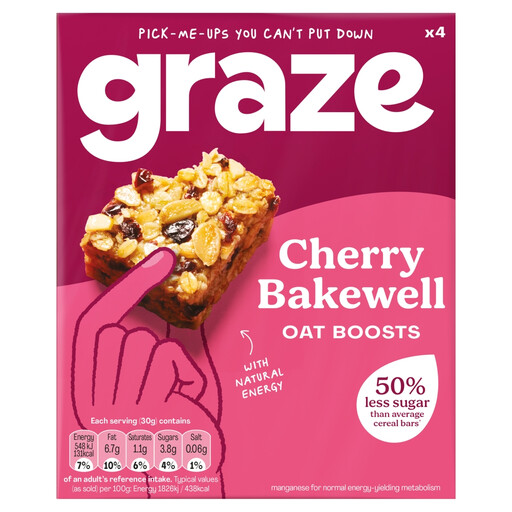
An oat-bar format for a portable lecture snack. Compare the kcal for one 30g bar with smaller cereal bars, and check the current ingredients if allergens affect your choice.
 No image available
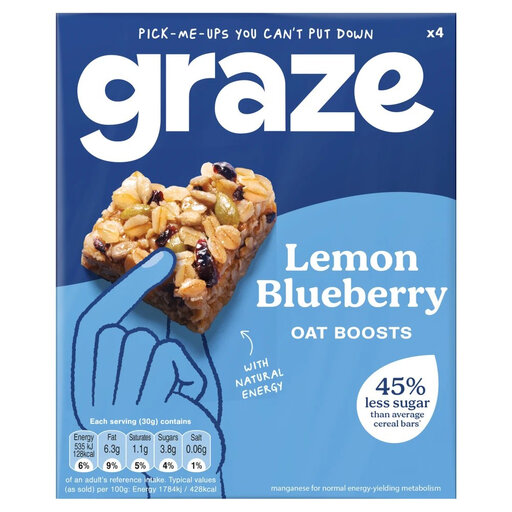
This four-pack offers another 30g oat-bar flavour for a lecture bag. Read its own per-bar energy, nutrition and allergen panel rather than transferring figures from Cherry Bakewell.
Set a limit for the snack you intend to eat and compare kcal for the complete bar or bars. Tesco Groceries has an 'Under 100 Calorie Cereal Bars' shopping category, but that filter is not a universal definition; NHS guidance also explains why per-100g and per-portion label figures need to be read in context.
Kellogg's UK lists its Rice Krispies Snack Bar at 83 kcal per 20g bar. Its specified 27g Special K Red Berry and Dark Chocolate bars are listed at 104 kcal and 107 kcal respectively, so those particular versions do not meet an under-100-kcal limit. Check the weight of any differently sized pack before applying those figures.
Consider the larger portion if it better suits a longer gap before your next meal and its calorie total fits your plan. TREK lists 10g protein and 219 kcal for its 50g Original Oat flapjack; Kellogg's UK lists 1.0g protein and 83 kcal for its smaller 20g Rice Krispies Snack Bar. The figures describe different portions, not how filling either will be for you.
They remain separate label figures worth comparing. NHS food-label guidance includes energy, sugars and saturates among the measures to read; Kellogg's UK lists 5.8g sugars for its 83 kcal Rice Krispies Snack Bar. Check the current panel for each bar rather than treating its calorie figure as a summary of its ingredients.
Read the ingredient and allergen declaration on the exact current flavour and pack. The Kellogg's examples identify combinations of gluten-containing cereals, milk and soya, while TREK describes Original Oat as vegan and gluten-free; neither description replaces the product-specific label check.